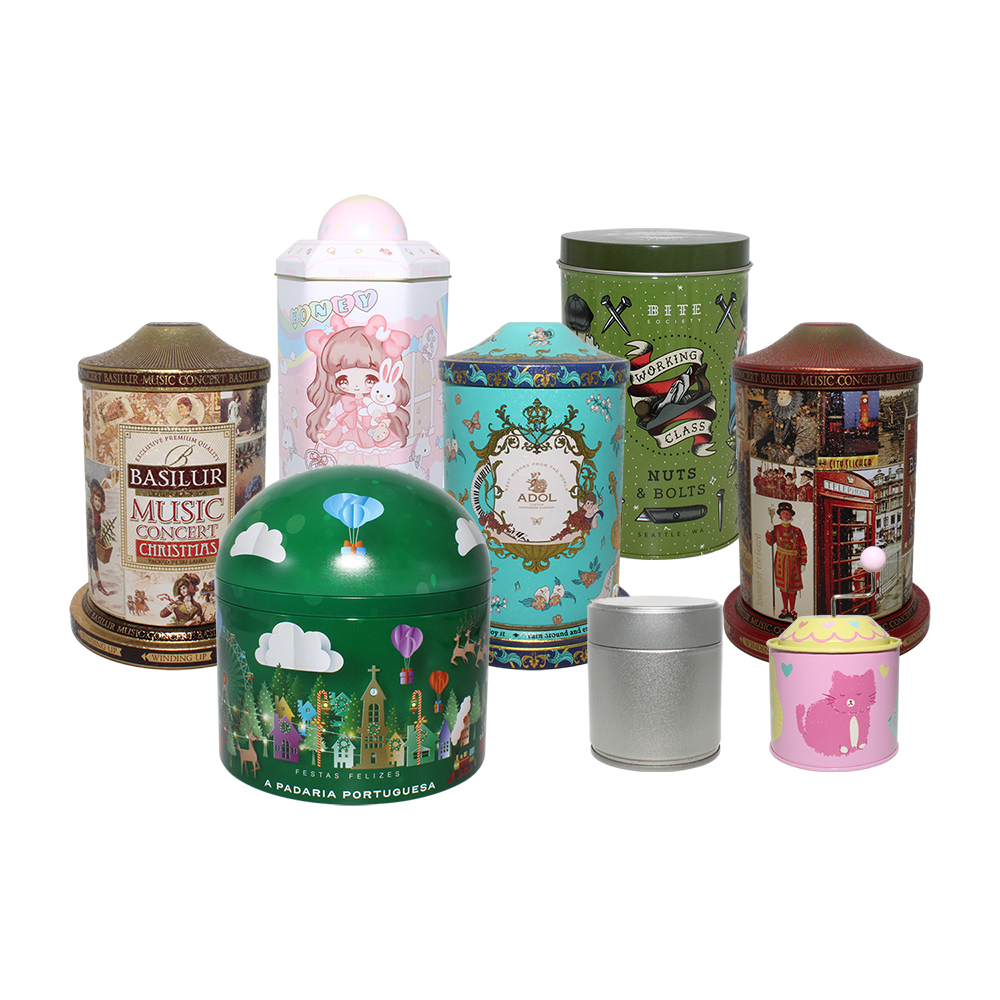
Are Metal Lunch Boxes Safe?

Are Metal Lunch Boxes Safe? Here's What You Need to Know
Packing a lunch for work, school, or outdoor activities is a daily ritual for many of us—and choosing the right container is more important than you might think. With growing concerns about plastic waste and chemical leaching, metal lunch boxes have made a comeback as a durable, eco-friendly alternative. But a common question lingers: Are metal lunch boxes safe? The short answer is yes—when chosen and used correctly. In this blog, we'll break down the safety of metal lunch boxes, address common worries, and share practical tips to ensure your meals stay safe and healthy.

First Things First: Most Metal Lunch Boxes Are Safe (Really!)
Unlike some low-quality plastic containers that may release harmful chemicals like BPA or phthalates when exposed to heat, metal lunch boxes—especially those made from food-grade materials—are inherently non-toxic. The key lies in the material: the vast majority of safe metal lunch boxes are crafted from stainless steel (the most popular choice) or food-grade aluminum, both of which are approved for food contact by global safety standards, including China's GB 4806.9-2023 and international guidelines.
Stainless steel, in particular, is prized for its stability. It doesn't react with most foods, won't leach harmful substances, and is resistant to corrosion and rust when properly maintained. Aluminum, when food-grade, is also safe, though it's less common for lunch boxes due to its slightly lower durability compared to stainless steel.

The Difference Between Safe and Unsafe Metal Lunch Boxes: It's All About the Material
Not all metal lunch boxes are created equal. The safety of your container depends entirely on the type of metal used—so it's crucial to avoid low-quality or non-food-grade options. Here's a breakdown of what to look for (and what to avoid):
Safe Materials to Choose
-
Stainless Steel (304 or 316L): These are the gold standards for food safety. 304 stainless steel is the most common food-grade option, ideal for everyday use with rice, vegetables, and non-acidic foods. 316L stainless steel is an upgraded version, containing molybdenum for enhanced corrosion resistance—perfect for acidic foods like tomatoes, vinegar, or citrus, as it won't react or leach metals even with long-term contact.
-
Food-Grade Aluminum: Look for aluminum containers labeled “food-grade” to ensure they’re free from harmful coatings or impurities. Avoid uncoated aluminum for acidic foods, as it may react slightly (though this is rare with high-quality food-grade aluminum).
Materials to Avoid
-
Non-Food-Grade Metals: Avoid metal lunch boxes made from industrial-grade steel (like 201 stainless steel), aluminum foil containers not labeled for food use, or metals with unknown coatings. These may contain lead, cadmium, or other toxic heavy metals that can leach into food over time.
-
Coated Metals with Harmful Finishes: Some metal lunch boxes have decorative coatings or paints that aren't food-safe. If the interior of the box is painted or coated, ensure the coating is labeled “food-safe” and won't chip or peel.

Common Myths About Metal Lunch Boxes Debunked
Even with their safety credentials, metal lunch boxes are surrounded by myths. Let's set the record straight on the most common concerns:
Myth 1: Metal Lunch Boxes Leach Harmful Metals Into Food
False—when using food-grade stainless steel or aluminum, leaching is extremely rare. The only time this might happen is if the metal is scratched, corroded, or exposed to highly acidic foods for extended periods (e.g., storing tomato sauce in an uncoated aluminum box for days). For everyday use—packing a meal in the morning and eating it at lunch—leaching is not a concern.
Myth 2: Metal Lunch Boxes Are Unsafe in the Fridge or Freezer
False! Metal lunch boxes are perfectly safe to store in the fridge or freezer. In fact, stainless steel's excellent thermal conductivity helps food cool (or freeze) quickly, which can help keep perishable foods safe by reducing time in the “danger zone” (4°C to 60°C), where bacteria grow rapidly. Just ensure the box is dry before placing it in the fridge to prevent rust (though stainless steel is rust-resistant).
Myth 3: Metal Lunch Boxes Can't Be Used with Hot Food
False—metal lunch boxes are great for hot food! Many stainless steel lunch boxes are double-walled or vacuum-insulated, designed to keep hot foods warm for 4–8 hours (and cold foods chilled for even longer). Unlike plastic, metal won't warp or release chemicals when exposed to hot food. The only exception: avoid putting empty metal lunch boxes on direct heat (like a stovetop) or in the microwave, as this can damage the box or cause burns.

How to Use Metal Lunch Boxes Safely (Pro Tips)
To maximize safety and longevity, follow these simple guidelines when using your metal lunch box:
-
Wash Before First Use: Rinse the lunch box with warm water and mild dish soap to remove any dust or residues from manufacturing. Avoid harsh cleaners like bleach or baking soda, which can damage the metal's protective layer.
-
Avoid Long-Term Storage of Acidic Foods: While 316L stainless steel can handle acidic foods, it's still best to avoid storing them in any metal container for more than 24 hours. This prevents potential minor reactions and keeps your food tasting fresh.
-
Clean Properly After Use: Wash the lunch box promptly after eating to prevent food residue from hardening. Use a soft sponge (not a steel wool pad) to avoid scratching the surface—scratches can harbor bacteria and, over time, weaken the metal’s protective layer.
-
Dry Thoroughly: After washing, dry the lunch box completely (inside and out) to prevent rust, especially if it has any non-stainless steel components (like a silicone seal).
-
Replace When Needed: If your metal lunch box develops rust, deep scratches, or chipped coatings, it's time to replace it. These issues can compromise safety by allowing bacteria to grow or metals to leach.

Final Verdict: Metal Lunch Boxes Are a Safe, Smart Choice
When you choose a high-quality, food-grade metal lunch box (preferably stainless steel 304 or 316L) and use it correctly, it's one of the safest, most durable, and eco-friendly options for packing meals. Unlike plastic, it won't release harmful chemicals, doesn't retain odors, and can last for years—saving you money and reducing waste in the long run.
So, are metal lunch boxes safe? Absolutely—they're not just safe, but they're also a better choice for your health and the planet. Next time you're shopping for a lunch box, skip the plastic and opt for a sturdy metal one—your body (and the environment) will thank you.

Have questions about choosing the right metal lunch box? Drop a comment below—I'd love to help!
Metal Tin Containers: The Versatile, Sustainable Packaging Solution for Every Industry
Tin Boxes for Gifts: The Perfect Blend of Elegance, Functionality, and Sustainability