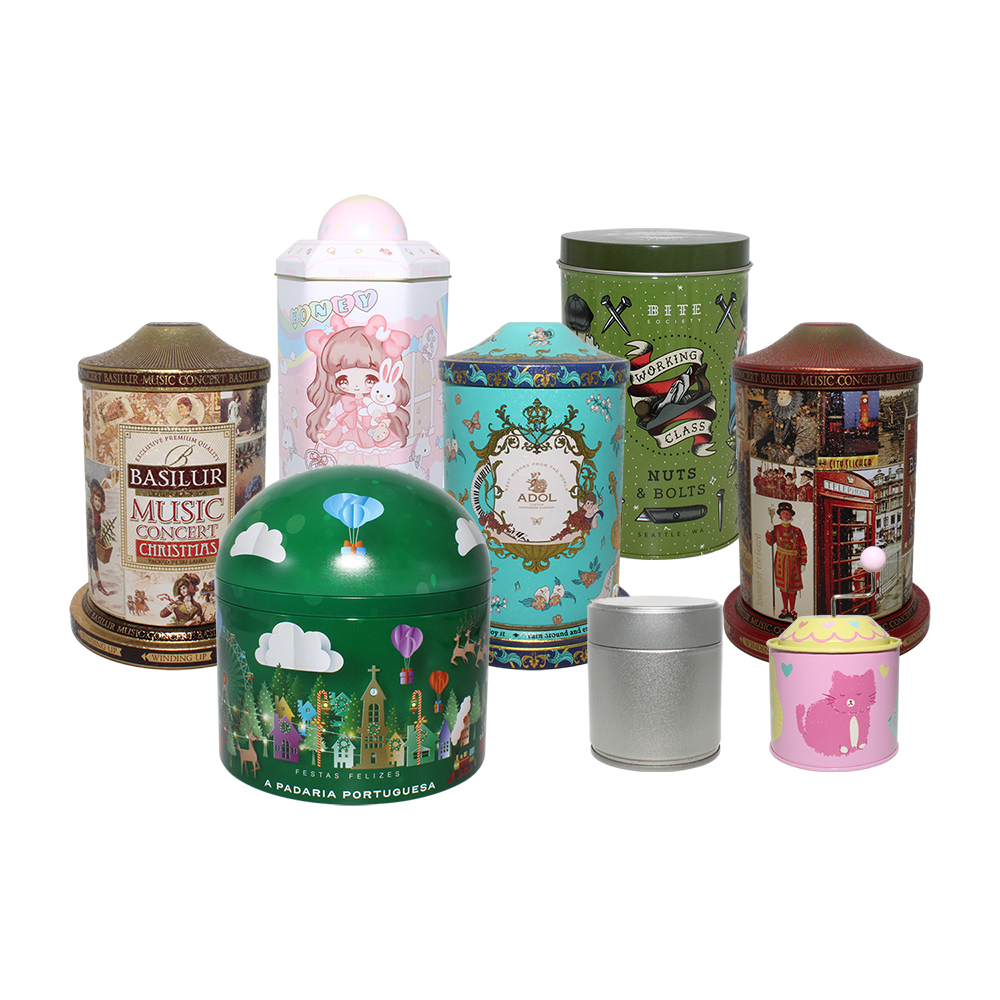
Can You Recycle Tin Cans? A Complete Guide to Tin Can Recycling

Can You Recycle Tin Cans? A Complete Guide to Tin Can Recycling
Walk into almost any kitchen, and you will find a stack of empty tin cans—from canned beans and tuna to tomato sauce and pet food. After enjoying the food inside, most people toss these cans into the trash without a second thought. But the key question lingers: can you recycle tin cans? The short and definite answer is yes! Tin cans are highly recyclable household items, yet countless cans end up in landfills every year due to incorrect recycling habits and insufficient public awareness. Today, we will break down everything you need to know about tin can recycling, including their recyclability, correct processing methods, common mistakes, environmental benefits, and creative reuse ideas.

What Exactly Is a “Tin Can”?
Before diving into recycling details, it’s important to clarify a common misconception. Despite the name, traditional “tin cans” are not made of pure tin. In fact, they are primarily steel cans coated with a thin layer of tin. This tin coating serves a vital purpose: it prevents the steel from rusting and stops chemical reactions between the metal and acidic or salty food inside, ensuring food safety and extending shelf life .
This unique bi-metal structure worries many people that the mixed materials will make recycling impossible. Fortunately, modern recycling technology can easily separate tin from steel without compromising the quality of either material. This is why tin cans rank among the most recyclable packaging materials worldwide, with a recycling rate far higher than many plastic and paper products .

How Does Tin Can Recycling Work? (Step-by-Step Process)
Tin can recycling is a mature, efficient industrial process that turns waste cans into brand-new, usable metal. The entire recycling loop is closed and sustainable process with no loss of metal quality. Here is how it works :
-
Collection and Sorting: Clean empty tin cans are collected from household curbside recycling bins or community recycling stations. Workers and automated machines sort tin cans from other recyclables like plastic, paper, and glass.
-
Cleaning and Stripping: Remaining food residue, paper labels, and plastic coatings are thoroughly removed. Factories use alkaline chemical baths to strip the thin tin layer from the steel base efficiently .
-
Shredding and Melting: The separated steel and tin materials are shredded into small pieces, then melted in high-temperature furnaces up to 2,700°F to form pure molten metal .
-
Remolding and Repurposing: The purified molten metal is cast into metal sheets, ingots, or new cans. These recycled metals are reused to produce new food cans, construction materials, automotive parts, and more.
Most impressively, steel and tin can both be recycled infinitely without losing durability or quality, making tin can recycling a perfect model of the circular economy.

The Right Way to Recycle Tin Cans (Beginner’s Checklist)
While tin cans are fully recyclable, improper pre-treatment will contaminate other recyclables and lead to entire batches being rejected. Follow these simple rules to recycle tin cans correctly :
1. Empty and Rinse Thoroughly
First, drain all leftover food, sauce, or liquid from the cans. A quick rinse with water is enough to remove residual food particles. Dirty cans with food residue will attract pests, produce odors, and contaminate other clean recyclables, rendering them unrecyclable.
2. Handle Lids Properly
Metal lids from tin cans can be recycled together with the cans. To avoid losing small lids, place them inside the empty can and squeeze the can’s top slightly to seal it. For plastic lids attached to some canned food, remove and discard them separately, as plastic and metal require different recycling processes .
3. Leave Paper Labels On
There is no need to tear off paper labels manually. The high-temperature cleaning and melting process in factories will completely burn off and remove paper residues. Tearing labels off wastes your time and brings no extra benefits to recycling .
4. No Need to Crush (Optional)
You can crush cans to save storage space, but it is not mandatory. Recycling facilities have professional compression equipment to process cans in large quantities. Just ensure cans are clean and dry before putting them in recycling bins.

Common Tin Can Recycling Mistakes to Avoid
Many well-meaning people recycle tin cans incorrectly. Here are the most frequent mistakes you should steer clear of:
-
Recycling unwashed, greasy cans: Cans with heavy oil, sauce, or food buildup are the top cause of recycling contamination. Even a small amount of leftover food can ruin a whole truckload of recyclables.
-
Throwing in damaged or rusty cans blindly: Slightly rusted cans are still recyclable, but severely corroded, deformed cans mixed with other debris should be checked with local recycling rules first.
-
Confusing tin cans with aluminum cans: Tin-coated steel cans and pure aluminum cans are sorted and recycled separately. Although both are recyclable, mixing them will increase sorting difficulty for recycling plants.
-
Recycling non-food tin containers: Paint cans, chemical cans, and aerosol cans are metal containers but may hold toxic residues. They are classified as hazardous waste and cannot be recycled with ordinary food tin cans .

Why Tin Can Recycling Matters for the Planet
Recycling tin cans is not just a trivial household chore—it delivers huge environmental and economic benefits. Here’s why every clean recycled tin can counts:
1. Saves Massive Energy and Resources
Producing new steel from virgin iron ore consumes enormous amounts of coal, water, and electricity. In contrast, recycling steel cans saves over 70% of the energy required for primary steel production . It also drastically reduces the need for mining tin and iron ore, protecting mountain ecosystems and reducing soil erosion.
2. Reduces Landfill Waste and Carbon Emissions
Tin cans take decades to decompose in landfills, occupying precious land space and releasing greenhouse gases during degradation. Recycling diverts millions of tons of metal waste from landfills every year and cuts carbon emissions from mining, smelting, and transportation.
3. Supports a Sustainable Circular Economy
As mentioned earlier, steel and tin can both be recycled infinitely without quality degradation. This creates a closed-loop recycling system where waste cans are continuously turned into new products, reducing reliance on finite natural resources and promoting long-term environmental sustainability. In Europe, the tin can recycling rate has reached 79.5%, setting a great example for global waste reduction .

Creative Upcycling Ideas: Reuse Tin Cans Before Recycling
If you want to maximize the value of old tin cans, try creative upcycling before sending them for official recycling. These simple DIY projects turn waste cans into practical, stylish household items :
-
Storage Organizers: Clean tin cans are perfect for storing stationery, makeup brushes, small tools, or kitchen spices. You can paint the surface or wrap it with decorative paper for a personalized look.
-
Garden Planters: Small and medium tin cans make excellent mini planters for succulents, herbs, and small flowers. They are durable, portable, and free of extra cost.
-
Candle Holders: Punch small holes on the can surface to create hollow-out patterns, then place a small candle inside for warm, unique home decor.
-
Kids’ Craft Toys: With safe modification, tin cans can be made into toy drums, pencil cases, or building toys for children, combining environmental education with fun.

Final Thoughts
To answer the core question once again: yes, you can and absolutely should recycle tin cans. These common household waste items are valuable renewable resources, not trash. A simple routine of emptying, rinsing, and sorting can turn discarded cans into new products, save energy, reduce pollution, and protect our planet.
Sustainable living does not require grand gestures. It starts with small, consistent daily choices. Next time you finish a canned meal, do not throw the can away. Take one minute to clean it, sort it correctly, and join the tin can recycling movement. Every small effort adds up to huge positive changes for the environment!

Empty Tin Cans: Overlooked Everyday Treasures for a Greener Planet
Metal Tin Storage Box: The Ultimate Durable & Versatile Storage Solution for Every Space