
Tin Can Takeover: How Premium Packaged Gum Is Transforming the Global Confectionery Market
author: Estelle
2026-05-11
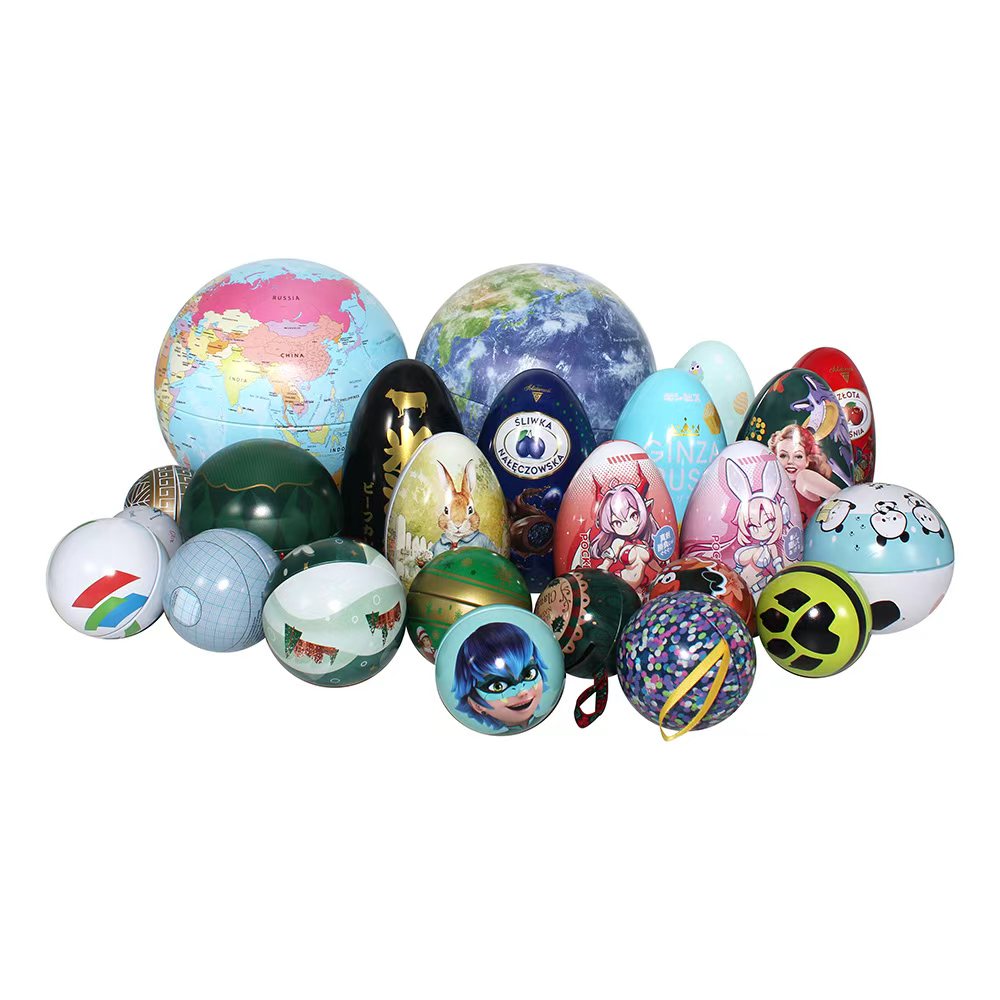
Tin Can Takeover: How Premium Packaged Gum Is Transforming the Global Confectionery Market
By Business Correspondent
May 11, 2026 — Global
The global chewing gum industry is undergoing a notable packaging transformation, with gum in tin can rapidly emerging as a mainstream consumer choice. Amid growing demand for portable, eco-friendly, and premium daily snacks, traditionally plastic-packaged chewing gum is gradually losing market share, while tin-can packaged gum has gained immense popularity among young consumers and health-conscious buyers. Major confectionery brands are accelerating product upgrades, driving sustained growth within this niche market segment.

Booming Market Demand Behind Tin Can Gum Popularity
In recent quarters, major confectionery firms have released encouraging sales data that reflects surging demand for boxed chewing gum. According to Hershey’s latest financial report, breath-freshening products—including tin-packed gum—recorded double-digit year-on-year sales growth. One prominent driving factor is the rising adoption of GLP-1 weight-loss medications. Dental experts note that such drugs frequently induce dry mouth by altering saliva secretion, making sugar-free chewing gum an essential daily item for users to relieve oral discomfort.
Compared with conventional plastic bags and paper cartons, tin cans offer superior airtightness and preservation capabilities. These sealed metal containers effectively block moisture and oxygen, preventing gum from softening, sticking, or deteriorating during storage. Furthermore, their compact, portable design suits daily commutes, office use, and outdoor activities, satisfying consumers’ need for convenient, one-handed access to chewing gum.

Packaging Upgrade: How Tin Cans Redefine Consumer Experience
The prevalence of gum in tin can signifies more than simple packaging replacement; it marks a comprehensive upgrade in consumer experience. Unlike disposable plastic packaging, reusable tinplate cans can be repurposed to store small belongings such as mints, earrings, and stationery after the gum is consumed. This eco-friendly attribute aligns with the environmental values of modern consumers, particularly Generation Z.
In terms of product design, most tin-can gum features minimalist, high-end aesthetics with custom printed patterns. Renowned brands including Wrigley and Tic Tac have rolled out limited-edition tin-can gum lines. The sophisticated metal packaging transforms ordinary chewing gum into a trendy social accessory. Numerous young consumers share visually appealing tin gum cans across social media platforms, further amplifying product exposure and market popularity.

Industry Changes: Manufacturers Adjust Production Layouts
Packaging suppliers have also acknowledged this market shift and expanded production capacity for food-grade tin cans. Wholesale industry data indicates that hinged flip-top tin cans customized for chewing gum rank among the best-selling packaging containers on major packaging trading platforms. The unit price of small gum-specific tin cans ranges from $0.20 to $0.71, with manufacturers’ order volumes surging by over 35 percent year on year.
Industry analysts state that the traditional chewing gum market has long suffered from growth stagnation due to product homogenization. Tin-can packaging breaks this industrial bottleneck through differentiated market positioning. It not only enhances product durability and portability but also creates higher premium value. On average, tin-packed gum sells for 20 to 40 percent more than conventionally packaged alternatives, generating healthier profit margins for brands.

Future Outlook: Sustainable Growth with Diversified Innovation
Looking ahead, the gum in tin can market is poised for steady growth. On one hand, the expanding user base of GLP-1 medications will sustain consistent demand for sugar-free breath-freshening gum. On the other hand, brands will continue optimizing tin can materials by adopting recycled tinplate to cut carbon emissions and comply with global sustainability standards.
Nevertheless, the industry still faces notable challenges. Metal tin cans incur higher production costs than plastic packaging, limiting the affordability of low-end tin-can gum products. Additionally, excessive decorative packaging may spark public concerns over packaging waste. Relevant regulatory institutions advise brands to balance aesthetic design with resource efficiency to ensure long-term, sustainable industrial development.
As consumer consumption patterns continue to evolve, gum in tin can has firmly transcended its niche-market status. More than a fleeting packaging trend, it embodies a fundamental shift toward higher quality, refined aesthetics, and environmental consciousness among consumers. Moving forward, this booming product will continue reshaping the confectionery competitive landscape and spearheading global packaging innovation, leaving an indelible imprint on the ever-evolving chewing gum industry.

Christmas Tin Cans Gain Huge Popularity in This Year’s Holiday Consumer Market
Tinplate Birthday Gift Boxes Lead the 2026 Global Gifting Packaging Trend
Related Article
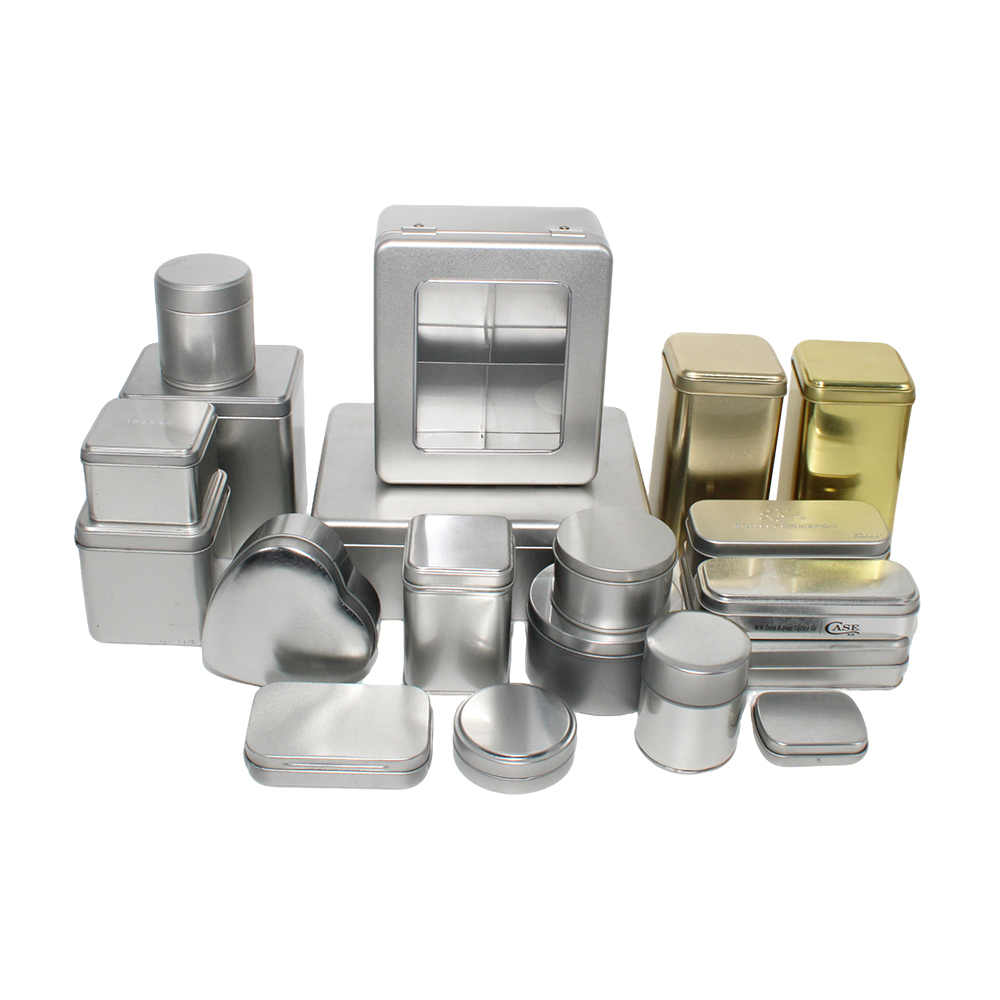
Amid growing public focus on household waste sorting, whether tin cans can be properly recycled has become one of the most searched environmental questions worldwide. Latest industry reports confirm that tin cans are infinitely recyclable, yet inconsistent disposal habits continue to hold back global recycling performance. Environmental authorities and metal producers are stepping up public education to improve metal waste utilization this year.
Are Tin Cans Recyclable? Global Recycling Data and Sustainable Insights in 2026

Amid the prevalence of single-use plastic packaging and fleeting snack trends, tin can cookies have secured a solid foothold in the global baked snack market. Featuring sturdy metallic packaging, diverse flavors, nostalgic value and eco-friendly properties, these classic confections have won popularity across age groups, reshaping the competitive landscape of the confectionery industry.
Tin Can Cookies Make a Sustainable Comeback in Global Snack Markets
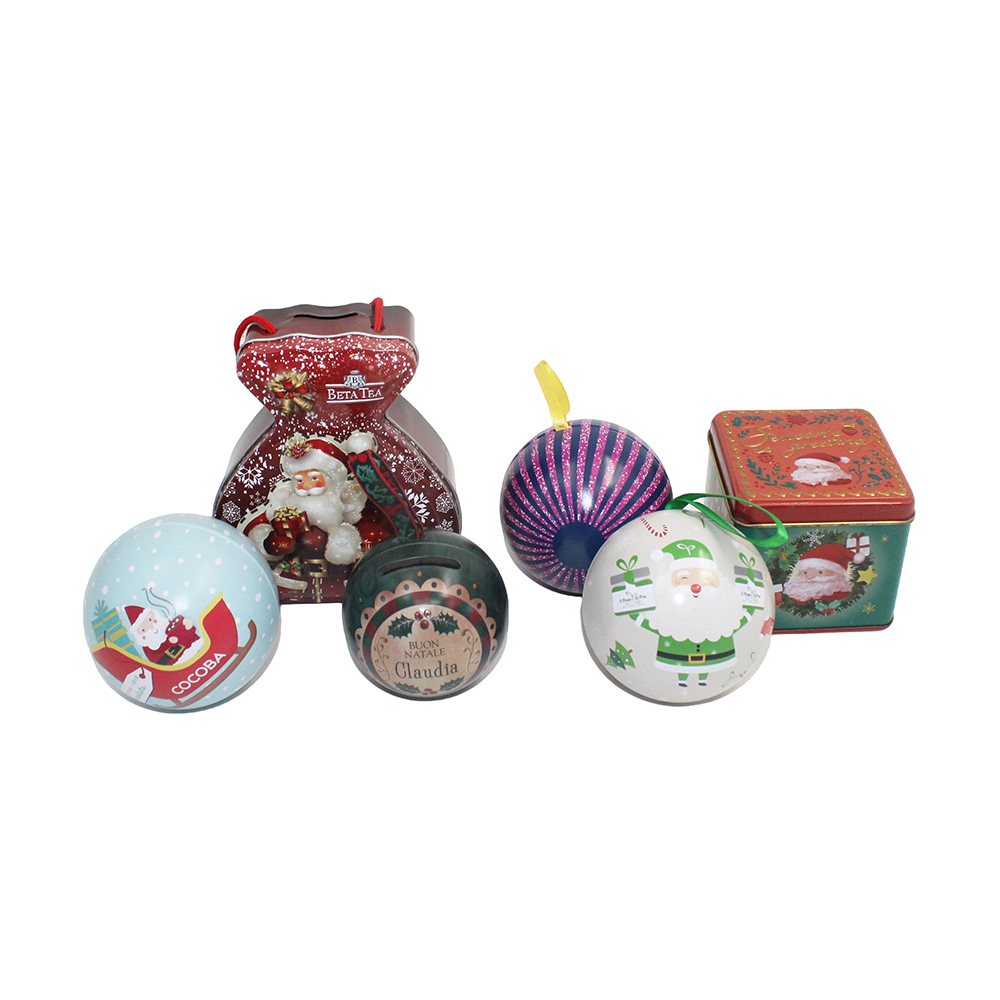
As the annual Christmas shopping season officially kicks off, festive packaging has become one of the best-selling consumer goods in major supermarkets and gift stores. Among these seasonal items, Christmas tin can products have seen a sharp increase in sales, gradually replacing traditional paper gift boxes and plastic packaging. Industry analysts point out that durability, recyclability and exquisite festive designs are the three core drivers behind this year’s consumption boom.
Christmas Tin Cans Gain Huge Popularity in This Year’s Holiday Consumer Market
Against the backdrop of global low-carbon advocacy and rigorous environmental governance in 2026, sustainable packaging has become an irreversible mainstream trend in the international consumer goods industry. Governments and environmental organizations worldwide have issued strict policies to restrict disposable packaging waste, explicitly limiting the excessive use of paper and plastic packaging.
Tinplate Birthday Gift Boxes Lead the 2026 Global Gifting Packaging Trend