
Are Tin Cans Recyclable? Global Recycling Data and Sustainable Insights in 2026
author: Estelle
2026-05-14

Are Tin Cans Recyclable? Global Recycling Data and Sustainable Insights in 2026
By Environmental Correspondent
May 14, 2026 | Global Environmental News

Amid growing public focus on household waste sorting, whether tin cans can be properly recycled has become one of the most searched environmental questions worldwide. Latest industry reports confirm that tin cans are infinitely recyclable, yet inconsistent disposal habits continue to hold back global recycling performance. Environmental authorities and metal producers are stepping up public education to improve metal waste utilization this year.
Many ordinary consumers hold a basic misunderstanding that tin cans are made of pure tin. In fact, most daily-used cans are tin-plated steel, combining a tough steel body with a thin anti-rust tin coating. Different from degradable plastics, this metal composite can be remelted and reused repeatedly without quality loss, which makes tin cans one of the most reliable recyclable packaging materials.
“Tin and steel require no complicated chemical treatment during recycling,” said an analyst from the Institute for Environmental Research and Education. “Compared with other packaging materials, metal cans have the lowest reprocessing cost and the highest recycling stability.”
Regional data shows obvious gaps in global recycling infrastructure. Europe maintains a leading recycling rate of 79.5 percent for tin cans, supported by mature waste collection systems. In the United States, the figure stands at 63 percent, visibly higher than the 52 percent recycling rate of aluminum cans.
The metal manufacturing industry is also expanding its recycling scale. Tata Steel Nederland unveiled its 2026 recycling target to process 120 million kilograms of waste tinplate steel, quadrupling its volume from 2024. According to the International Tin Association, recycled tin has gradually become a stable raw material source for the packaging industry.
The industrial recycling procedure for tin cans remains simple and eco-friendly. After being collected from public recycling bins, qualified cans are sorted, compressed and delivered to smelting factories. Impurities are removed under high temperature, and remelted metal can be reproduced into new cans, construction parts and daily hardware products, forming a complete resource loop.
Nevertheless, human errors have become a major barrier to recycling efficiency. Local environmental departments pointed out that food residue and grease are the top causes of contamination. Cans with leftover sauce may spoil during storage, causing large batches of waste metal to be discarded directly.
Another common mistake is mixed waste disposal. Many citizens still throw metal cans into general garbage bins. The Solid Waste Authority of Palm Beach County reminded the public that it is unnecessary to tear off paper labels. A plain water rinse is enough for cans to meet recycling standards.
Recycling tin cans brings tangible environmental benefits. Industrial statistics show that reusing recycled metal consumes far less energy than mining new ores, effectively cutting carbon emissions and reducing ecological damage. In addition, durable tin packaging helps decrease food spoilage during transportation and storage.
Market trends also reflect rising environmental awareness. A 2026 global consumer survey found that 67 percent of young buyers are willing to pay more for products with recyclable tin packaging. More food and beverage brands are gradually replacing plastic packages with sustainable metal cans.
Environmental experts suggest that the public can boost recycling quality with easy operations. Residents only need to empty food leftovers and rinse cans lightly before throwing them into special recycling containers. No deep cleaning or manual label removal is required.
Environmental organizations remain optimistic about the industry outlook. With joint efforts from manufacturers, waste management departments and citizens, the global tin can recycling rate is expected to exceed 80 percent within five years. Every simple recycling act contributes to a low-carbon circular economy.

Tin Can Cookies Make a Sustainable Comeback in Global Snack Markets
Related Article

Amid the prevalence of single-use plastic packaging and fleeting snack trends, tin can cookies have secured a solid foothold in the global baked snack market. Featuring sturdy metallic packaging, diverse flavors, nostalgic value and eco-friendly properties, these classic confections have won popularity across age groups, reshaping the competitive landscape of the confectionery industry.
Tin Can Cookies Make a Sustainable Comeback in Global Snack Markets
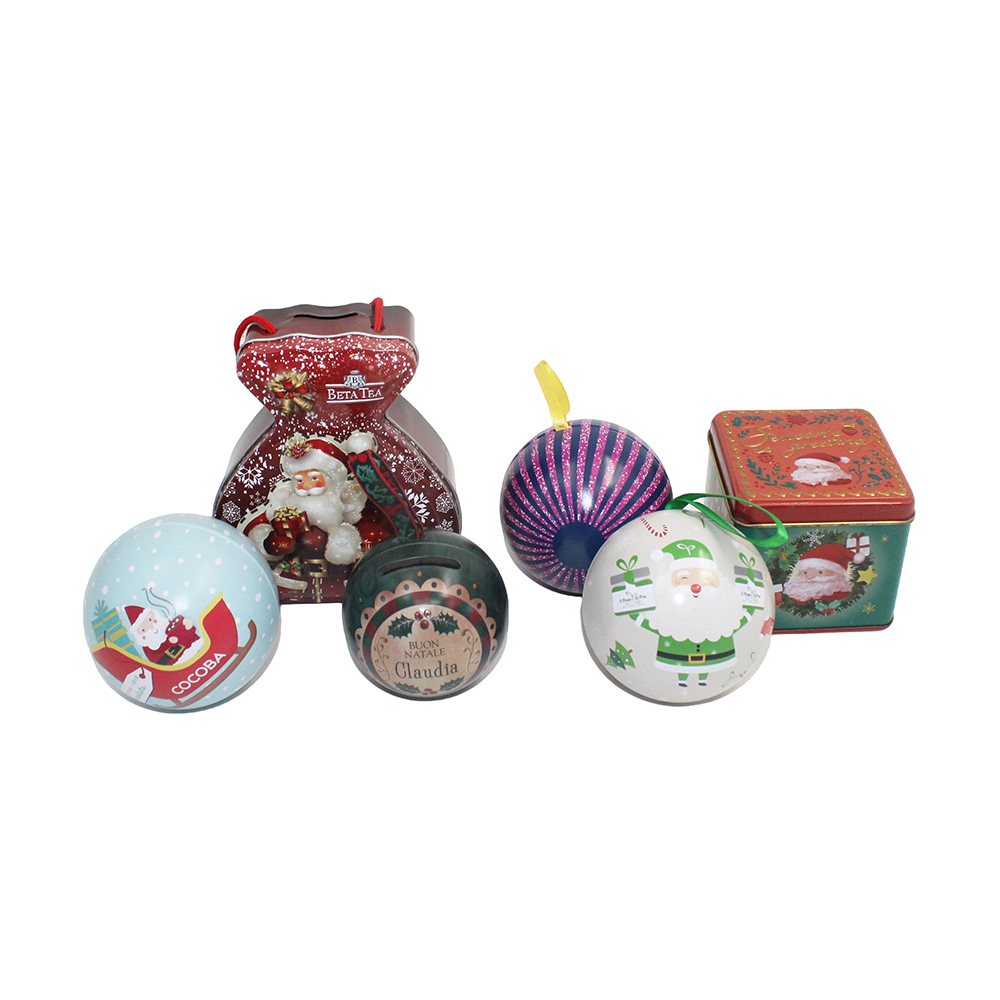
As the annual Christmas shopping season officially kicks off, festive packaging has become one of the best-selling consumer goods in major supermarkets and gift stores. Among these seasonal items, Christmas tin can products have seen a sharp increase in sales, gradually replacing traditional paper gift boxes and plastic packaging. Industry analysts point out that durability, recyclability and exquisite festive designs are the three core drivers behind this year’s consumption boom.
Christmas Tin Cans Gain Huge Popularity in This Year’s Holiday Consumer Market
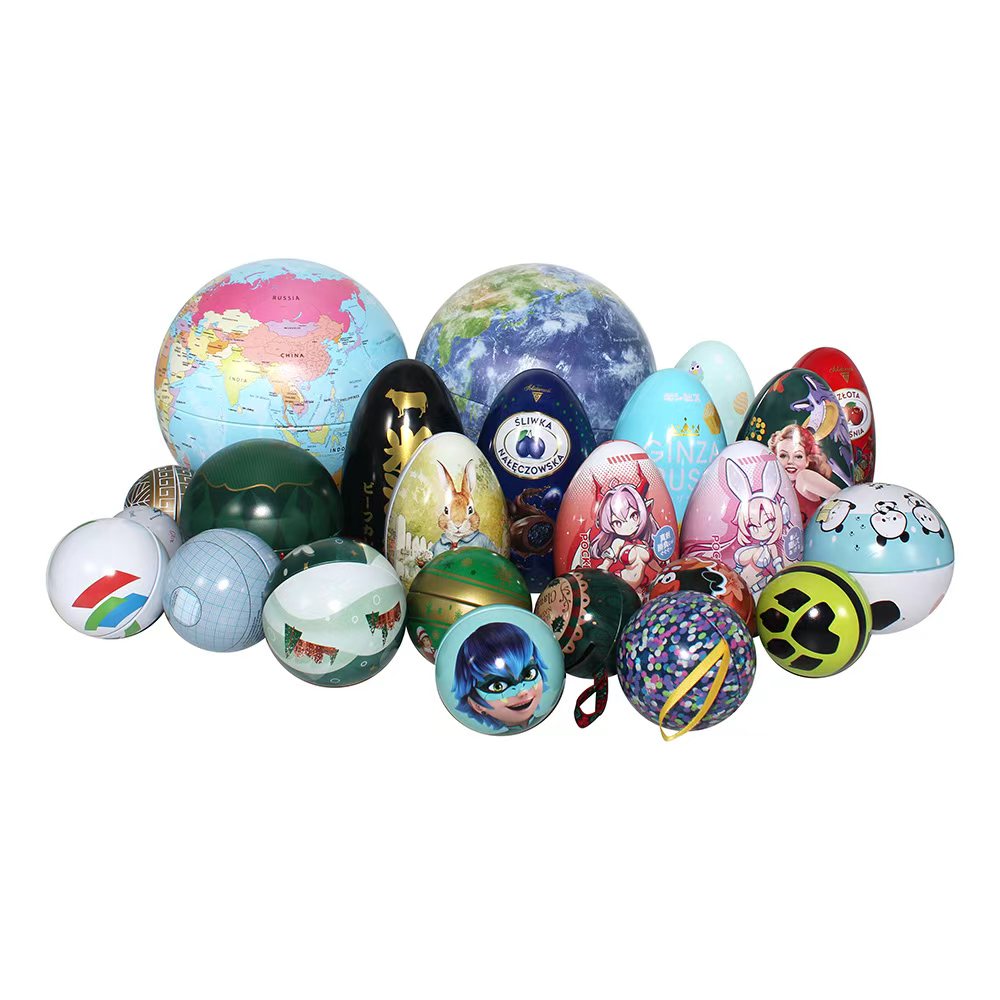
The global chewing gum industry is undergoing a notable packaging transformation, with gum in tin can rapidly emerging as a mainstream consumer choice. Amid growing demand for portable, eco-friendly, and premium daily snacks, traditionally plastic-packaged chewing gum is gradually losing market share, while tin-can packaged gum has gained immense popularity among young consumers and health-conscious buyers.
Tin Can Takeover: How Premium Packaged Gum Is Transforming the Global Confectionery Market
Against the backdrop of global low-carbon advocacy and rigorous environmental governance in 2026, sustainable packaging has become an irreversible mainstream trend in the international consumer goods industry. Governments and environmental organizations worldwide have issued strict policies to restrict disposable packaging waste, explicitly limiting the excessive use of paper and plastic packaging.
Tinplate Birthday Gift Boxes Lead the 2026 Global Gifting Packaging Trend