
Tin Can Cookies Make a Sustainable Comeback in Global Snack Markets
author: Estelle
2026-05-13

Tin Can Cookies Make a Sustainable Comeback in Global Snack Markets
By Food Industry Correspondent
LONDON, May 13 (Reuters) — Amid the prevalence of single-use plastic packaging and fleeting snack trends, tin can cookies have secured a solid foothold in the global baked snack market. Featuring sturdy metallic packaging, diverse flavors, nostalgic value and eco-friendly properties, these classic confections have won popularity across age groups, reshaping the competitive landscape of the confectionery industry.

Tin can cookies trace their origins to the early 19th century. At the time, tin containers were widely used for food storage and transportation due to their durability and airtightness. Early bakers discovered that metal tins could effectively protect cookies from moisture, oxidation and physical damage, outperforming fragile cardboard boxes and flimsy plastic bags.
Originally produced as military rations for long-distance transportation, tin-packed cookies gradually entered civilian households. Over centuries of development, plain metal cans have evolved into elaborately designed packaging. Tins printed with festive patterns, retro textures and custom artwork transform ordinary cookies into premium gifts.
The enduring popularity of tin can cookies lies in their practical merits. The airtight metallic structure preserves the cookies’ crisp texture and rich buttery aroma, extending shelf life without excessive preservatives. Unlike conventional packaged cookies that easily turn stale after opening, tin-sealed cookies maintain consistent quality over a longer period.
Furthermore, tin cans offer exceptional compression resistance. They prevent cookies from crushing during transit, addressing a common pain point for baked goods. For manufacturers and retailers, this advantage substantially reduces product wastage and logistics expenses.
Most notably, recyclable tin cans align with the booming sustainable consumption movement. Environmentally conscious consumers are increasingly shunning single-use plastic, and reusable metal tins perfectly satisfy their eco-friendly demands. Once the cookies are consumed, the empty tins can be repurposed to store small ornaments, stationery and dry snacks.
Modern manufacturers continuously refine formulas to diversify flavor selections. In addition to traditional butter and chocolate chip variants, innovative flavors such as macadamia nut, strawberry cream, oatmeal raisin and matcha have been introduced to cater to varied taste preferences.
These tin-packed snacks boast versatile application scenarios. They serve as daily household treats, exquisite gifts for Christmas, birthdays and other festivals, and portable snacks for outdoor picnics and office breaks. Their elegant, compact packaging makes them ideal for both personal consumption and gifting purposes.

According to the latest report from the Global Food Packaging Association, the global market for tin-packaged baked goods has maintained an annual growth rate of 6.2% since 2023. Fueled by nostalgia-driven consumption and gifting demands, Europe and North America remain dominant markets, while Asia emerges as a fast-growing region.
Manufacturers are also upgrading production techniques. Advanced sealing equipment enhances airtightness, while food-grade coatings prevent direct metal-to-food contact and ensure food safety. Meanwhile, custom printing services allow brands to launch personalized tin cans, boosting product added value and brand recognition.
Despite promising market prospects, the industry still faces hurdles. Metal tins incur higher production costs than plastic and paper packaging, resulting in a moderate price premium. Additionally, inadequate tin recycling infrastructure in underdeveloped regions limits the environmental benefits of reusable packaging.
Industry analysts project that lightweight metal processing technology will gradually lower packaging costs over the next five years. Furthermore, brands will prioritize health-oriented formulas, launching low-sugar, low-fat and additive-free products to accommodate the global trend of healthy eating.
In random street interviews, numerous consumers voiced their fondness for tin can cookies. “I love the retro blue tin cans. Every time I open one, the rich buttery aroma brings back my childhood holiday memories,” said a 28-year-old food enthusiast.
Another consumer noted that reusability drives repeated purchases. “The empty tins can hold candies and small daily items. They are cost-effective and eco-friendly, far better than disposable packaging.”

As consumers adopt more rational shopping habits, timeless products with reliable quality, functional packaging and emotional resonance will dominate the market. Combining historical sentiment and sustainable design, tin can cookies are poised to capture broader opportunities within the global snack industry.
Are Tin Cans Recyclable? Global Recycling Data and Sustainable Insights in 2026
Christmas Tin Cans Gain Huge Popularity in This Year’s Holiday Consumer Market
Related Article

Amid growing public focus on household waste sorting, whether tin cans can be properly recycled has become one of the most searched environmental questions worldwide. Latest industry reports confirm that tin cans are infinitely recyclable, yet inconsistent disposal habits continue to hold back global recycling performance. Environmental authorities and metal producers are stepping up public education to improve metal waste utilization this year.
Are Tin Cans Recyclable? Global Recycling Data and Sustainable Insights in 2026
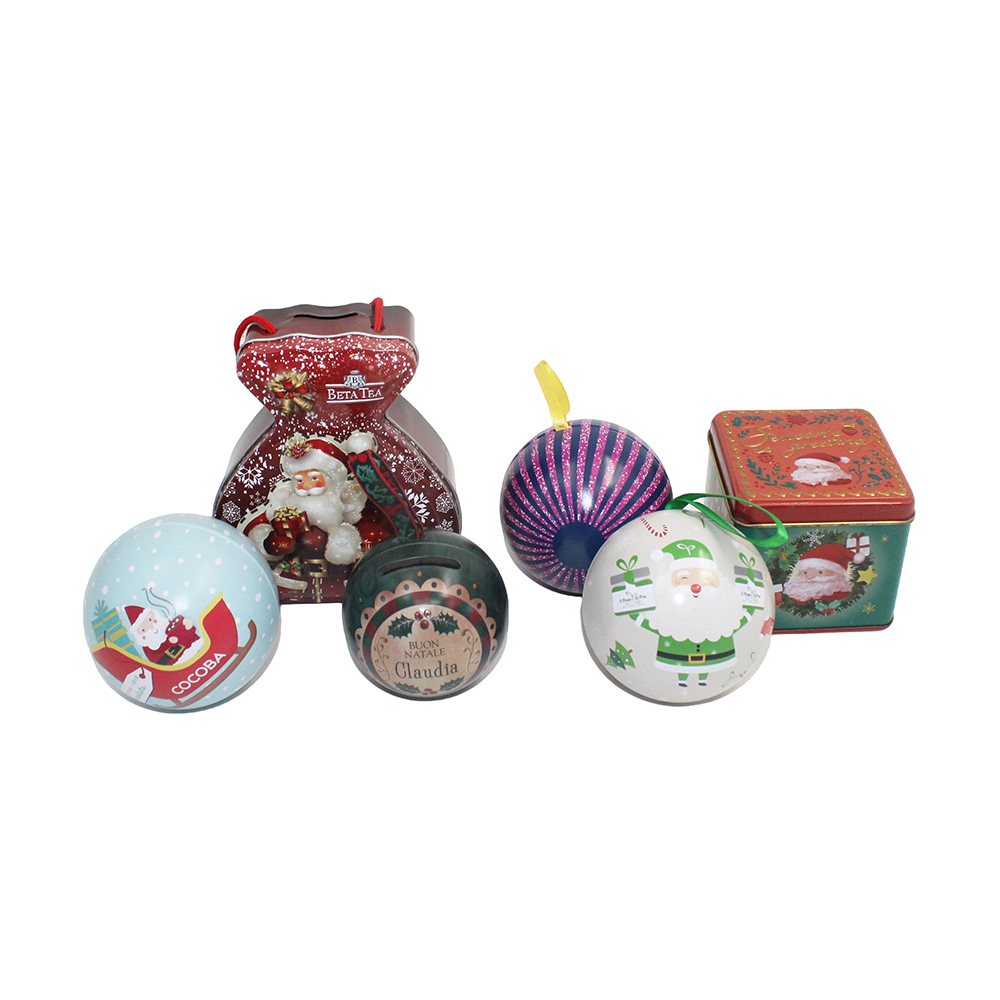
As the annual Christmas shopping season officially kicks off, festive packaging has become one of the best-selling consumer goods in major supermarkets and gift stores. Among these seasonal items, Christmas tin can products have seen a sharp increase in sales, gradually replacing traditional paper gift boxes and plastic packaging. Industry analysts point out that durability, recyclability and exquisite festive designs are the three core drivers behind this year’s consumption boom.
Christmas Tin Cans Gain Huge Popularity in This Year’s Holiday Consumer Market
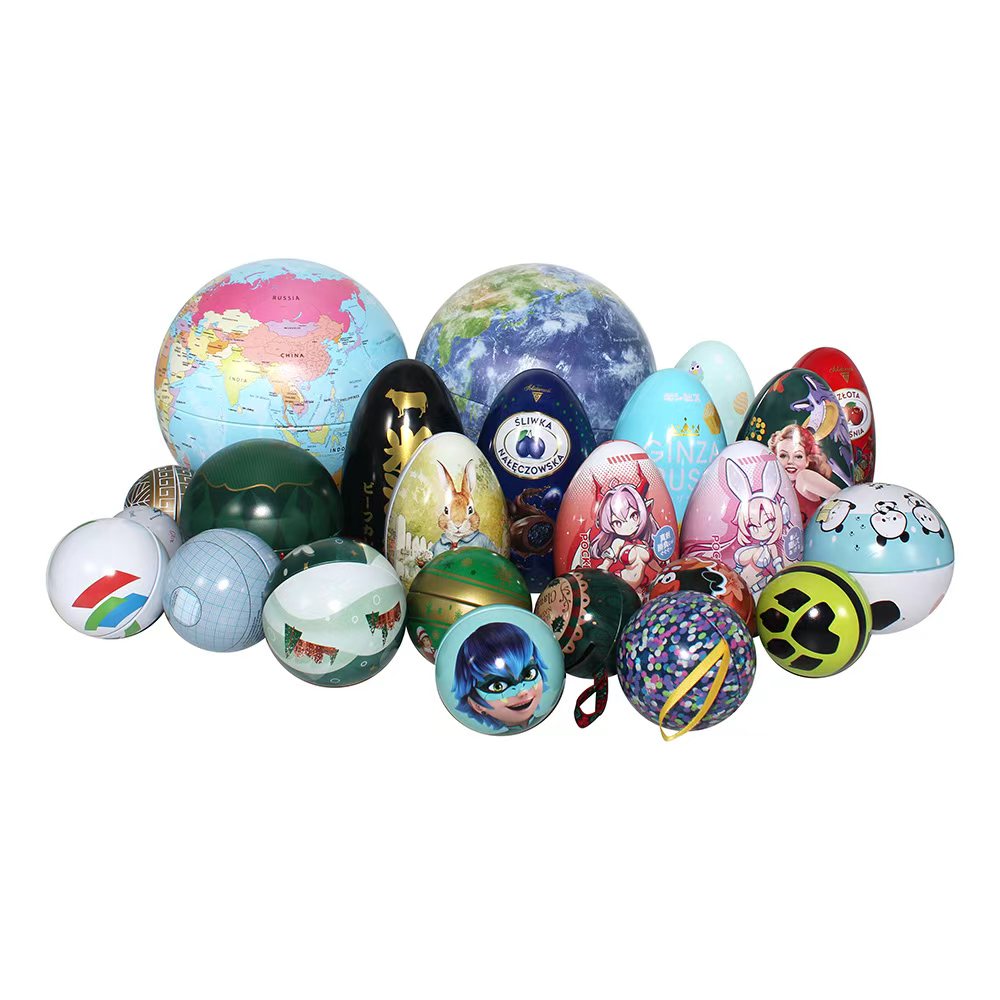
The global chewing gum industry is undergoing a notable packaging transformation, with gum in tin can rapidly emerging as a mainstream consumer choice. Amid growing demand for portable, eco-friendly, and premium daily snacks, traditionally plastic-packaged chewing gum is gradually losing market share, while tin-can packaged gum has gained immense popularity among young consumers and health-conscious buyers.
Tin Can Takeover: How Premium Packaged Gum Is Transforming the Global Confectionery Market
Against the backdrop of global low-carbon advocacy and rigorous environmental governance in 2026, sustainable packaging has become an irreversible mainstream trend in the international consumer goods industry. Governments and environmental organizations worldwide have issued strict policies to restrict disposable packaging waste, explicitly limiting the excessive use of paper and plastic packaging.
Tinplate Birthday Gift Boxes Lead the 2026 Global Gifting Packaging Trend