
Tin Cans: One of the Most Recyclable yet Underappreciated Household Materials
author: Estelle
2026-04-30

Tin Cans: One of the Most Recyclable yet Underappreciated Household Materials
By Environmental News Reporter
Updated: April 30, 2026
In every kitchen, pantry, and grocery store worldwide, tin cans serve as a staple packaging solution for canned fruits, vegetables, soups, pet food, and various daily goods. Despite their widespread use and frequent disposal, widespread public confusion lingers over a core environmental question:are tin cans recyclable? According to environmental sustainability experts and global waste management data, tin cans stand among the most eco-friendly, infinitely recyclable packaging materials available, boasting remarkable recycling efficiency and untapped environmental potential.

The Truth About Tin Can Composition: Why They Are Fully Recyclable
A common public misconception is that tin cans are made purely of tin, leading many people to doubt their recyclability or confuse them with non-recyclable composite packaging. In fact, modern tin cans are primarily constructed of 99% steel, with only a microscopic, corrosion-resistant tin coating applied to the surface to prevent rust and ensure food safety during storage and transportation. This special material combination, known as tinplate, lays the foundation for the cans’ exceptional recyclability.
The most prominent advantage of steel-based tin cans is their infinite recyclability. Unlike plastic, paper, or even some aluminum packaging that degrades in quality after repeated recycling, steel can be recycled endlessly without any loss of structural strength, purity, or functionality. The thin tin coating does not hinder the recycling process at all. During industrial smelting and reprocessing, trace tin elements are easily separated or fused into recycled steel materials, making every part of the waste tin can reusable.
Global Recycling Data: Tin Can Recycling Leads the Packaging Industry
Supported by mature recycling technology, tin cans have achieved impressive recycling rates across the globe, far outperforming many common packaging materials. Official statistics show that the overall recycling rate of steel tin cans in the United States reaches 63%, exceeding the recycling rate of aluminum beverage cans at 52% . In Europe, the figure is even higher, with a regional tin can recycling rate of79.5%, ranking among the top recycling rates for rigid packaging materials .
In professional metal recycling fields, the recycling rate of tin and steel materials can surpass 88%, reflecting the high maturity and economic feasibility of the tin can recycling industrial chain. Waste management authorities point out that tin cans are the most recycled steel product in daily life, and recycled steel from cans has become an indispensable raw material for the global steel manufacturing industry.
Staggering Environmental and Economic Benefits of Tin Can Recycling
Recycling tin cans is not merely a waste reduction measure, but a crucial practice for energy conservation and carbon emission reduction. Data from the U.S. Environmental Protection Agency (EPA) confirms that recycling steel and tin cans can save 60% to 74% of the total energy required to produce new metal products from raw iron ore, coke, and limestone. This drastic energy saving directly translates to reduced fossil fuel consumption and lower industrial carbon emissions, effectively mitigating the impact of packaging waste on global climate change.
In terms of waste reduction, tin cans that end up in landfills are extremely difficult to decompose naturally, occupying valuable land resources and potentially leaching trace metal substances into soil and groundwater over time. By contrast, recycled tin cans completely enter the circular economy: waste cans are smelted into high-quality steel raw materials, which can be remade into new food cans, construction materials, automotive parts, and other industrial products, forming a closed-loop resource cycle .
Economically, tin can recycling also creates enormous value. As a reusable metal resource, waste tin cans reduce manufacturers’ reliance on scarce mineral raw materials, lower industrial production costs, and drive the development of the waste recycling and renewable resource industries, creating numerous green jobs worldwide.
Common Recycling Mistakes and Standard Household Practices
Despite their full recyclability, many tin cans are still wasted due to improper household recycling habits. Environmental engineers summarize three common public mistakes that affect tin can recycling efficiency. First, many residents discard heavily food-stained cans directly into recycling bins; residual food residues can contaminate batches of recycled materials and increase processing costs. Second, some people discard tin cans with plastic lids, adhesive labels, and other non-metal accessories, which complicates industrial sorting. Third, a small number of residents mistakenly classify tin cans as hazardous waste or non-recyclable garbage, resulting in unnecessary landfill accumulation.
The official standard recycling process is simple and accessible for every household. Consumers only need to rinse residual food inside the cans to remove obvious dirt, and there is no need to manually tear off paper labels, as industrial sorting and cleaning equipment can automatically separate paper and metal . Plastic lids can be removed and classified separately for plastic recycling. Clean, dry tin cans can be directly put into curbside recycling bins, and almost all municipal recycling programs and professional scrap metal institutions accept tin can waste.
Beyond Recycling: Secondary Reuse of Tin Cans
Before entering the recycling system, tin cans also have high secondary reuse value, which further improves resource utilization efficiency. As durable, rust-resistant metal containers, clean waste tin cans are widely used for household storage, tool sorting, and kitchen organization. In addition, they are popular materials for handmade art and garden decoration, with many families and designers repurposing them into creative craftworks, flower pots, and gift boxes.
This low-carbon reuse method extends the service life of tin cans, delays resource consumption, and complements industrial recycling, forming a dual low-carbon protection mode of “reuse + recycling”.
Industry Outlook: Boosting Tin Can Recycling to Empower Sustainable Development
Environmental analysts point out that although tin cans have superior recyclability, their global recycling potential has not been fully tapped. In some developing regions, imperfect waste sorting systems and insufficient public environmental awareness result in massive quantities of recyclable tin cans ending up in landfills each year, causing severe resource waste.
With the global promotion of circular economy and zero-waste city construction, governments and environmental organizations are strengthening public science popularization on tin can recycling. Industry insiders suggest that popularizing correct recycling knowledge, improving community waste sorting facilities, and encouraging enterprises to prioritize recycled steel raw materials will further lift the global tin can recycling rate.
Final Takeaway: Tin cans are 100% recyclable, infinitely reusable and eco-friendly packaging materials. Every clean tin can recycled by households contributes to energy conservation, emission reduction, and resource protection. Small daily recycling habits are key to unlocking the maximum environmental value of this underrated green resource.

DIY Trend Explored: Can You Make a Candle in a Tin Can Safely and Easily?
Custom Metal Tin Boxes Emerge as Premium, Sustainable Packaging Leader Amid Global Brand Upgrade Wave
Related Article
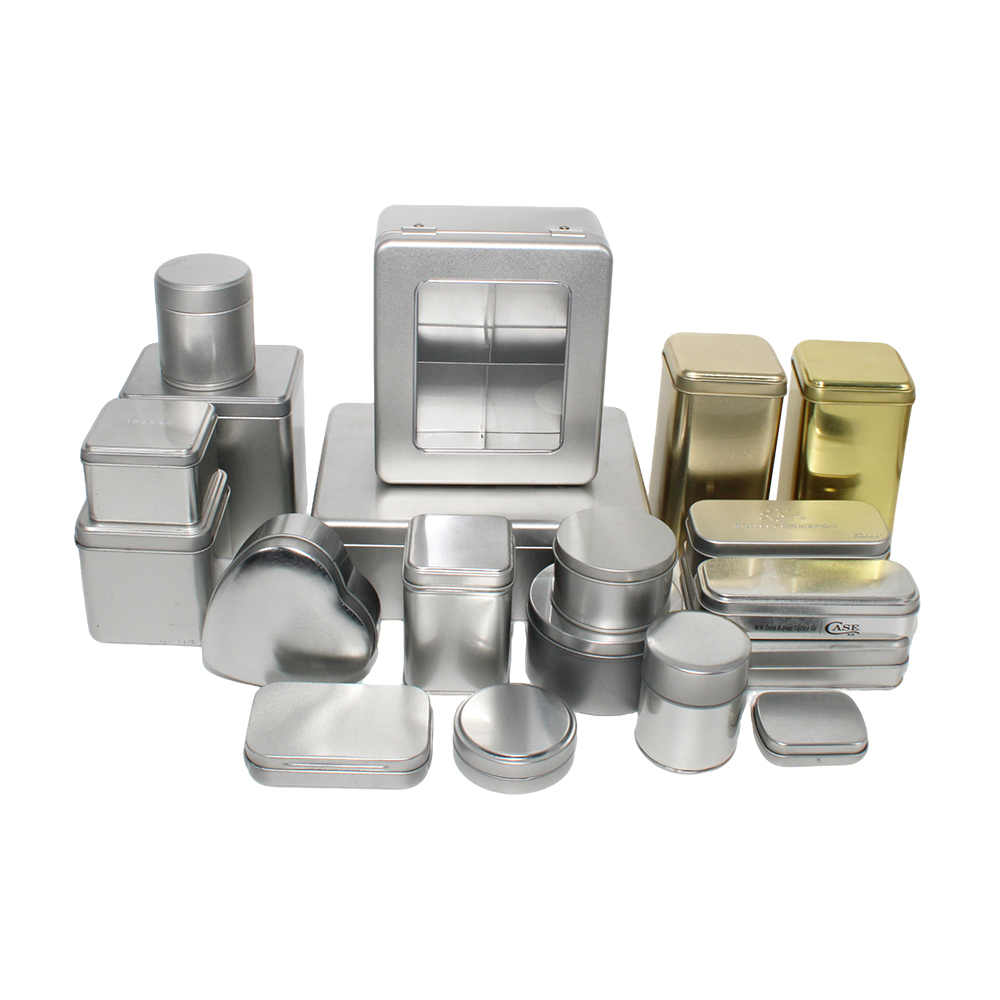
Amid growing public focus on household waste sorting, whether tin cans can be properly recycled has become one of the most searched environmental questions worldwide. Latest industry reports confirm that tin cans are infinitely recyclable, yet inconsistent disposal habits continue to hold back global recycling performance. Environmental authorities and metal producers are stepping up public education to improve metal waste utilization this year.
Are Tin Cans Recyclable? Global Recycling Data and Sustainable Insights in 2026

Amid the prevalence of single-use plastic packaging and fleeting snack trends, tin can cookies have secured a solid foothold in the global baked snack market. Featuring sturdy metallic packaging, diverse flavors, nostalgic value and eco-friendly properties, these classic confections have won popularity across age groups, reshaping the competitive landscape of the confectionery industry.
Tin Can Cookies Make a Sustainable Comeback in Global Snack Markets
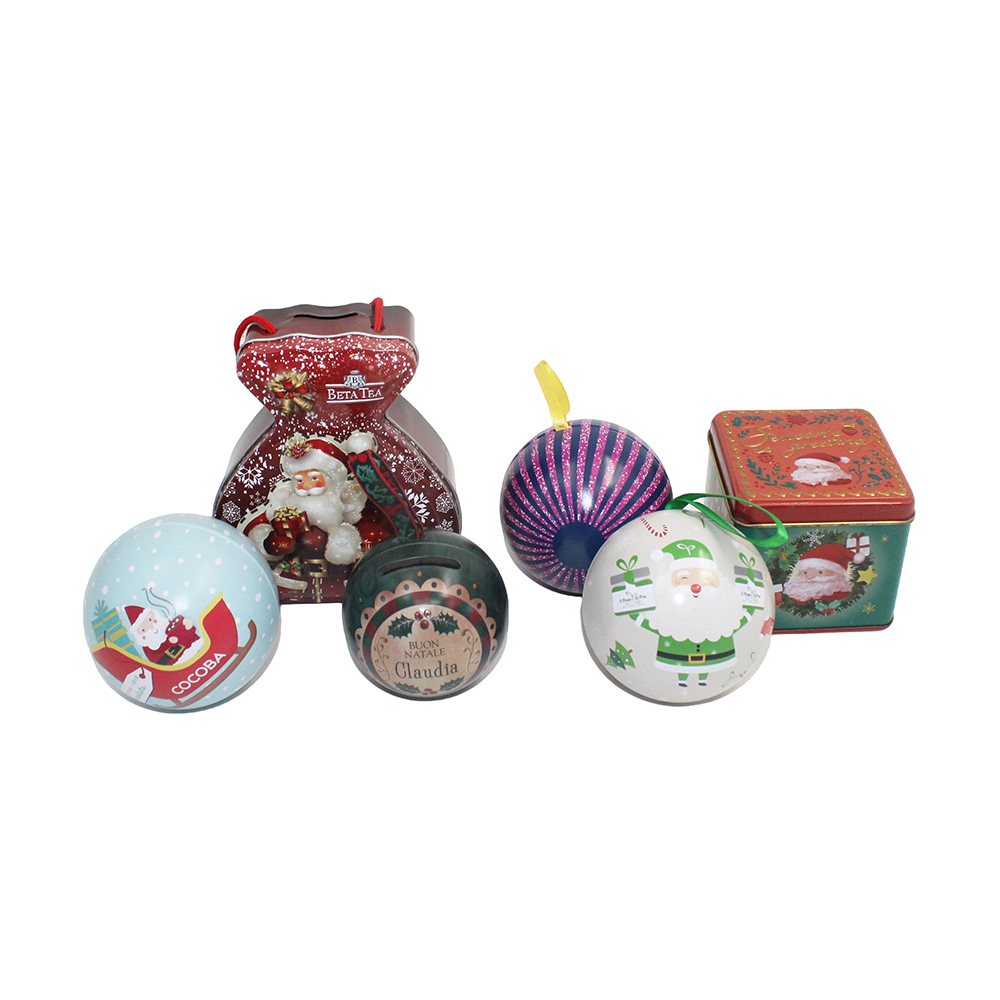
As the annual Christmas shopping season officially kicks off, festive packaging has become one of the best-selling consumer goods in major supermarkets and gift stores. Among these seasonal items, Christmas tin can products have seen a sharp increase in sales, gradually replacing traditional paper gift boxes and plastic packaging. Industry analysts point out that durability, recyclability and exquisite festive designs are the three core drivers behind this year’s consumption boom.
Christmas Tin Cans Gain Huge Popularity in This Year’s Holiday Consumer Market

The global chewing gum industry is undergoing a notable packaging transformation, with gum in tin can rapidly emerging as a mainstream consumer choice. Amid growing demand for portable, eco-friendly, and premium daily snacks, traditionally plastic-packaged chewing gum is gradually losing market share, while tin-can packaged gum has gained immense popularity among young consumers and health-conscious buyers.
Tin Can Takeover: How Premium Packaged Gum Is Transforming the Global Confectionery Market