
Big Tin Can Innovation: Industry-Wide Breakthroughs in Sustainable Tinplate Packaging
author: Estelle
2026-04-23
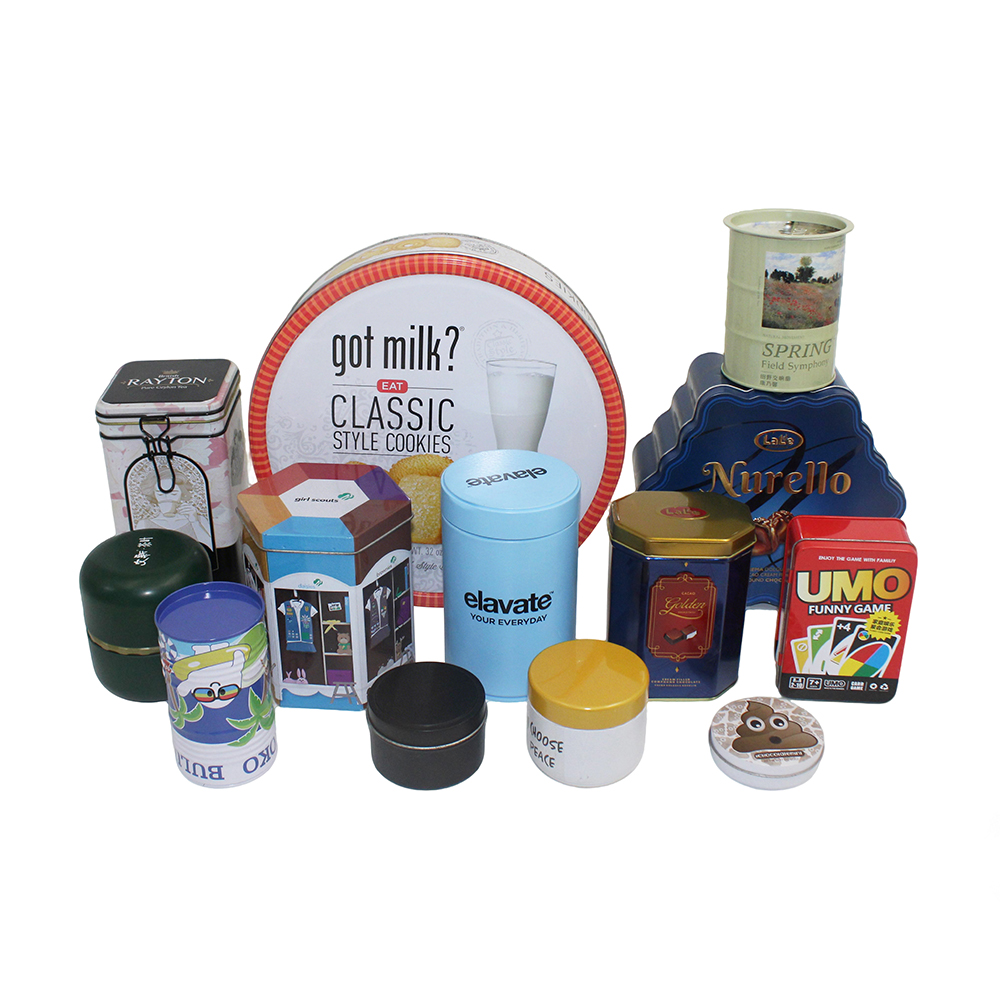
Big Tin Can Innovation: Industry-Wide Breakthroughs in Sustainable Tinplate Packaging
April 23, 2026 — The “big tin can”, once a simple container for goods, has evolved into a powerful symbol of environmental progress in the global packaging industry. Driven by the dual demands of carbon reduction and circular economy, recent innovations in sustainable tin can manufacturing have reshaped its role, with industry giants like Henkel leading breakthroughs that balance environmental responsibility with product performance. These advancements not only cut carbon emissions significantly but also strengthen the position of tin cans as a green packaging choice amid growing global sustainability initiatives.

Industry-Leading Low-Carbon Tin Cans: 62% CO2 Reduction Achieved by Collaborative Innovation
Global collaboration between material producers and packaging manufacturers has led to a revolutionary low-carbon tinplate can, marking a major milestone in sustainable packaging innovation. Developed jointly by Austrian metal packaging manufacturer Pirlo and German tinplate producer thyssenkrupp Rasselstein, the new tin can adopts thyssenkrupp’s bluemint® steel—a low-carbon material manufactured using processed steel scrap instead of CO2-intensive raw materials—effectively cutting carbon emissions by 62% compared to conventional tin cans[5]. This innovation has been adopted by multiple enterprises across industries, demonstrating the packaging sector’s collective commitment to carbon reduction.
This innovative packaging has been first applied to contact adhesive products, including those under well-established brands with decades of history in providing high-performance piping solutions. As one of the world’s first sectors to adopt bluemint® steel in adhesive packaging, the industrial adhesive industry has demonstrated how sustainability can be integrated into product lineups without compromising quality or performance. Notably, the 62% emission reduction data has been externally verified and certified by TÜV SÜD, a global leading certification body, ensuring its authenticity and credibility[5].
Industry experts emphasize the strategic significance of this low-carbon innovation: “Sustainability is integral to the future of packaging, and this new tin can solution demonstrates how collaboration can reduce emissions without compromising product performance. It is an important step toward further cutting packaging production emissions and realizing industry-wide sustainability goals, while also strengthening the sustainable positioning of brands across sectors among professionals and consumers”[5]. This breakthrough is part of a broader industry green transformation, which also includes adopting specialty coatings and developing bio-based alternatives to traditional materials.

Tin Can’s Inherent Sustainability: High Recyclability and Market Potential
The low-carbon tin can innovation builds on the inherent environmental advantages of tinplate packaging, which has long been recognized for its high recyclability. In Europe, the recycling rate of tinplate packaging reaches 83.7%, making it the most recyclable packaging material on the continent, while Germany achieves an impressive 94.3% recycling rate for tinplate in private end consumption[5]. This mature recycling system provides a solid foundation for the circular development of low-carbon tin cans, enabling the “can-to-can” closed-loop recycling model.
Industry data shows that the global metal can market is on a steady growth trajectory, with sales expected to reach 473 billion yuan in 2026, and a compound annual growth rate of 6.1% from 2026 to 2032. While aluminum cans dominate the food and beverage segment with a 68% market share in 2024 due to their light weight and recyclability, tinplate cans remain irreplaceable in a wide range of specialized and daily applications, thanks to their superior barrier properties, structural strength and eco-friendliness. These sustainable tin cans have been widely adopted across multiple sectors, bringing green solutions to diverse scenarios.
In the food and beverage industry, sustainable tin cans are a preferred choice for both daily and high-end products. For premium tea and coffee, low-carbon tinplate cans with airtight sealing and moisture-proof properties effectively preserve the aroma and quality of the contents, with their recyclable nature aligning with the eco-friendly positioning of specialty tea and coffee brands. For example, Swiss herbal candy brand Ricola has partnered with Swiss tin manufacturer Hoffmann to use CO2-reduced steel tins for its herbal drops, adopting thyssenkrupp’s bluemint® steel to cut carbon emissions and reinforce its sustainable brand image[4]. They are also widely used for canned foods such as lunch meat, fruits and seafood—Dutch canned food brand Snert, which specializes in premium Dutch pea soup, uses tinplate cans made from Tata Steel’s low-carbon steel, featuring a “100% recyclable” logo to highlight the sustainability of metal packaging. The brand also donates a can to Amsterdam food banks for every purchase, combining environmental responsibility with social welfare[2]. Additionally, infant formula milk powder often adopts sustainable tin cans, as their 100% light-shielding property protects photosensitive nutrients like vitamins, and the non-toxic tin coating meets strict food safety standards[4].
The industrial sector also relies heavily on sustainable tin cans for their corrosion resistance and durability. Beyond the adoption of bluemint® steel tins for pipe adhesives—achieving a 62% reduction in CO2 emissions[1]—low-carbon tin cans are widely used to package industrial coatings, lubricants and pesticides[4][5]. Their inner epoxy coating prevents chemical reactions between the contents and the metal, while their high pressure-bearing capacity (over 1.8MPa) ensures safe storage and transportation of volatile or corrosive substances, reducing the risk of leakage and environmental pollution[4]. Some automotive repair paint brands have also switched to sustainable tin cans, which feature anti-static designs to avoid explosion risks during spraying[4].
In the daily chemical and luxury sectors, sustainable tin cans are gaining popularity for their aesthetic and environmental value. High-end cosmetics, such as limited-edition perfumes and face creams, often use low-carbon tinplate packaging—many indie beauty brands and even luxury lines partner with U.S.-based Allstate Can, which provides custom sustainable tin packaging with matte, gloss or metallic finishes. This packaging offers airtight and light-resistant protection for balms, solid perfumes and essential oils while aligning with clean beauty trends[3]. For holiday gifts like mooncake boxes and candy tins, sustainable tin cans with customizable digital printing not only enhance brand image but also can be repurposed for storage after use, extending their service life[1][4]. Even collectibles like commemorative coins and cigars are packaged in airtight, nitrogen-filled sustainable tin cans, which can preserve the items for over 50 years while adhering to green development concepts[4].
Public welfare and daily life scenarios also see the application of sustainable tin cans. Many environmental organizations and communities promote the use of recycled tin cans as small storage containers for stationery, craft supplies or spices, encouraging the “reduce-reuse-recycle” concept[1][5]. Some catering businesses use sustainable tin cans as takeout containers for snacks and side dishes, replacing disposable plastic boxes to reduce white pollution. In remote areas with underdeveloped recycling systems, durable sustainable tin cans are also used to store drinking water and grains, leveraging their moisture-proof and rodent-proof properties to reduce food waste[5].
Technological innovations further enhance the sustainability of tin cans. Beyond low-carbon materials, lightweighting technologies have achieved a 10-15% weight reduction, while advanced digital printing reduces ink usage and environmental impact. Additionally, innovations in recycling technologies, such as can de-coating carbonization furnaces, have solved the key challenge of “grade preservation” in metal recycling, increasing the recovery rate of tinplate and aluminum cans to over 98% and enabling high-value reuse of recycled materials.

Industry Trends: Policy and Market Drive Sustainable Tin Can Adoption
The rise of sustainable tin can innovation is closely linked to global policy guidance and changing market demands. In 2026, sustainable packaging has become a core trend in the global packaging industry, with “full-life-cycle carbon management” and “closed-loop recycling” emerging as key focuses. The European Union requires a 70% packaging recyclability rate in 2026, while France imposes an additional fee of 0.8 euros per kilogram on non-recyclable packaging, driving enterprises to accelerate the adoption of green packaging solutions. In China, the “14th Five-Year Plan for the Printing Industry” requires a 15% reduction in VOCs emissions by 2026, further promoting the penetration of low-carbon packaging materials.
Market demand also provides strong impetus for sustainable tin can innovation. A consumer survey shows that 67% of global consumers are willing to pay a premium for environmentally friendly packaging, with the Z-generation accounting for 83%. Brands are increasingly using sustainable packaging as a core marketing selling point, further boosting the development and application of low-carbon tin cans. Industry analysts predict that as more enterprises adopt low-carbon materials and circular economy practices, the sustainable tin can sector will usher in accelerated growth over the next five years.

Looking Ahead: A Greener Future for the “Big Tin Can”
The 62% CO2-reduction tin can innovation—developed through cross-industry collaboration—sets a benchmark for the sector, demonstrating that technological progress can effectively balance environmental protection and commercial value. As global carbon neutrality goals advance, more collaborations between material manufacturers, packaging enterprises and brands are expected to emerge, driving continuous innovations in low-carbon materials, recycling technologies and production processes for tin cans.
From a simple container to a carrier of sustainable development, the “big tin can” is undergoing a profound transformation. With its inherent recyclability and continuous technological innovation, it will continue to play a crucial role in the global packaging industry’s green transition, contributing to the construction of a resource-efficient and net-zero future.

Custom Tin Box Industry Booms Globally: Driven by Sustainability, Personalization and Technological Innovation
Printed Tin Cans Industry Booms: Driven by Technology Upgrade, Sustainability Demand and Premiumization Trend
Related Article

Amid growing public focus on household waste sorting, whether tin cans can be properly recycled has become one of the most searched environmental questions worldwide. Latest industry reports confirm that tin cans are infinitely recyclable, yet inconsistent disposal habits continue to hold back global recycling performance. Environmental authorities and metal producers are stepping up public education to improve metal waste utilization this year.
Are Tin Cans Recyclable? Global Recycling Data and Sustainable Insights in 2026

Amid the prevalence of single-use plastic packaging and fleeting snack trends, tin can cookies have secured a solid foothold in the global baked snack market. Featuring sturdy metallic packaging, diverse flavors, nostalgic value and eco-friendly properties, these classic confections have won popularity across age groups, reshaping the competitive landscape of the confectionery industry.
Tin Can Cookies Make a Sustainable Comeback in Global Snack Markets
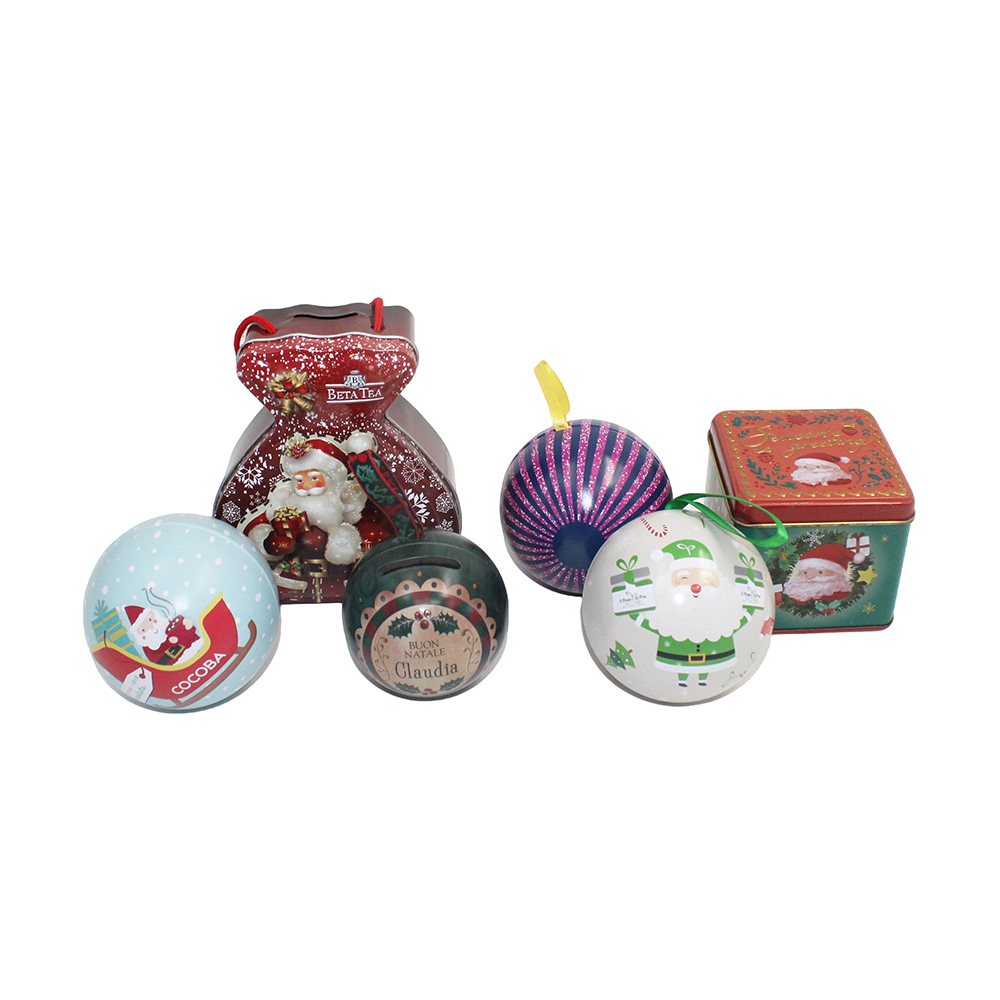
As the annual Christmas shopping season officially kicks off, festive packaging has become one of the best-selling consumer goods in major supermarkets and gift stores. Among these seasonal items, Christmas tin can products have seen a sharp increase in sales, gradually replacing traditional paper gift boxes and plastic packaging. Industry analysts point out that durability, recyclability and exquisite festive designs are the three core drivers behind this year’s consumption boom.
Christmas Tin Cans Gain Huge Popularity in This Year’s Holiday Consumer Market
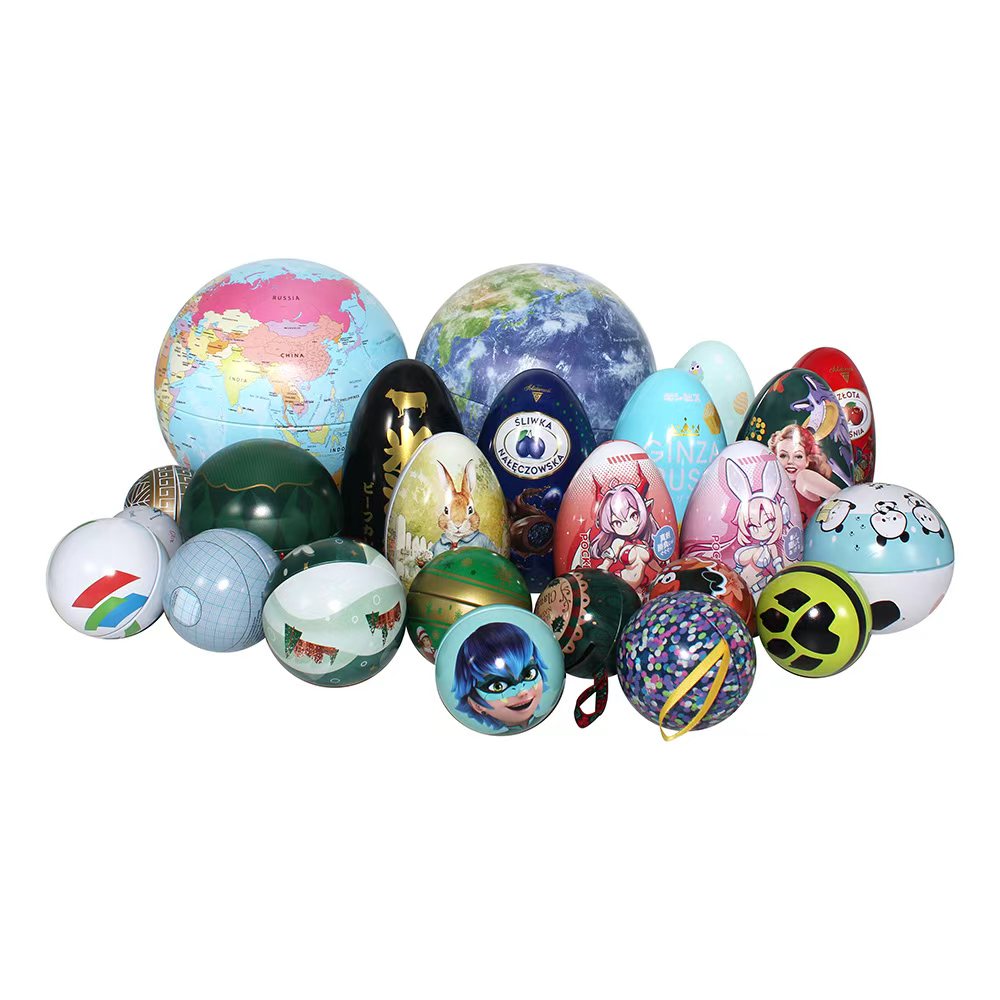
The global chewing gum industry is undergoing a notable packaging transformation, with gum in tin can rapidly emerging as a mainstream consumer choice. Amid growing demand for portable, eco-friendly, and premium daily snacks, traditionally plastic-packaged chewing gum is gradually losing market share, while tin-can packaged gum has gained immense popularity among young consumers and health-conscious buyers.
Tin Can Takeover: How Premium Packaged Gum Is Transforming the Global Confectionery Market