
Beyond Storage: The Biscuit Tin Can—History, Culture, and Modern Life
author: Estelle
2026-04-15
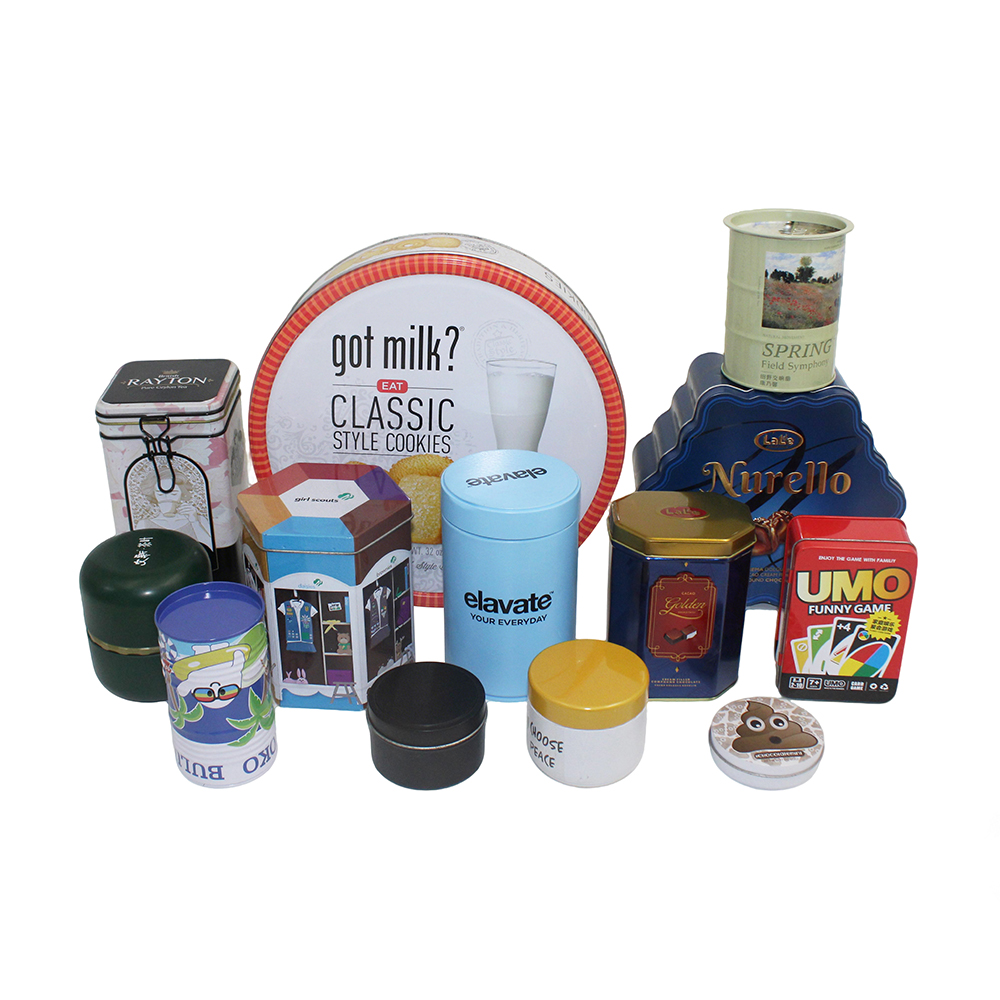
Beyond Storage: The Biscuit Tin Can—History, Culture, and Modern Life
Across kitchens, pantries, and living rooms worldwide, the biscuit tin can is far more than food packaging. It is a vessel of memory, a symbol of home comfort, a milestone in industrial design, and a quiet companion to daily life. Long after the last biscuit is enjoyed, the tin endures—storing treasures, preserving moments, and carrying a rich historical legacy that has shaped households for nearly 200 years. As lifestyles and packaging trends shift rapidly, the biscuit tin can remains beloved, rooted in a remarkable history of innovation, craftsmanship, and cultural resonance.

A Rich Historical Journey: From Bulk Sales to Industrial Icon
The story of the biscuit tin can begins in early 19th-century Britain, before modern packaged food existed. Biscuits were mostly sold loose from barrels or paper wraps; shoppers brought their own cloth bags, jars, or boxes to carry them home. Freshness was fragile, and presentation was plain. This changed with the rise of tinplate production and the first wave of food industrialization.
The pioneer of the decorative biscuit tin is widely credited to Huntley & Palmers, a British biscuit maker based in Reading, which created the earliest decorated biscuit tin as early as 1831. In the 1810s, the invention of airtight tinning technology made durable, food-safe metal containers commercially feasible. By the 1850s, Britain dominated global tinplate manufacturing, laying the material foundation for mass-produced biscuit tins.
A legal turning point arrived in 1861, when Britain’s Licensed Grocer’s Act allowed groceries to be sold in individual packaged units. Around the same time, taxes on printed packaging materials were lifted, making it affordable to print directly onto tinplate. In 1868, Huntley & Palmers partnered with printing specialist De La Rue to produce the first mass-market decorative biscuit tin, marking the birth of the modern printed biscuit can. The 1877 patent of offset lithography unlocked vibrant, detailed, multi-color designs, turning tins into mobile advertisements and decorative objects. By 1900, elaborate novelty shapes—including boxes mimicking furniture, books, and national symbols—turned biscuit tins into collectibles even before the biscuits were eaten.
From the late 19th to the mid-20th century, the biscuit tin can spread across the British Empire, Europe, and North America. It became a staple of tea culture, family life, and festive gifting. Vintage tins from this era now hold historical and aesthetic value, preserved in museums, private collections, and family homes as snapshots of social life, advertising art, and industrial design.

A Vessel of Warmth and Family Memory
For generations, the biscuit tin can has been tied to childhood, family gatherings, and quiet comfort. Its familiar weight, the soft click of its lid, and the scent of baked biscuits inside evoke universal feelings of care and welcome. Grandparents store homemade shortbread in printed tins; parents keep after-school snacks within reach; families leave a tin out for weekend visitors or holiday guests.
Unlike disposable wrappers that are discarded immediately, a well-loved biscuit tin can last for decades, becoming a modest family heirloom. It holds not just food, but small moments of love, reunion, and simple happiness. In a fast-paced world of single-use items, it stands as a quiet reminder of durability and warmth.

A Canvas of Art, Culture, and Design
The biscuit tin can evolved quickly from a practical container to a portable work of art. Manufacturers and designers embraced its smooth, printable surface to showcase seasonal themes, cultural symbols, floral patterns, retro logos, and minimalist modern styles. From Victorian elegance to mid-century boldness and contemporary minimalism, tins reflect the aesthetic spirit of their times.
Vintage biscuit tins have become highly sought-after collectibles. Enthusiasts chase rare 19th and 20th-century designs, valuing their printing techniques, nostalgic charm, and historical storytelling. Museums and design institutions feature them as examples of everyday industrial art. Today’s brands continue this tradition, releasing limited-edition tins that appeal to shoppers and collectors alike, blending nostalgia with fresh visual language.

Endless Reuse: From Food Container to Lifestyle Organizer
One of the most enduring qualities of the biscuit tin can is its long afterlife. Rarely thrown away once empty, it is repurposed in countless ways:
- Storing tea, coffee, sugar, or spices
- Holding pens, paper clips, stamps, and stationery
- Organizing craft supplies, sewing kits, buttons, or small toys
- Keeping jewelry, cosmetics, and personal accessories
- Serving as shelf decor, desk accents, or holiday display pieces
Sturdy, dust-proof, and easy to clean, the biscuit tin can fits naturally into today’s organized, minimalist lifestyles. Its reusability made it a sustainable choice long before “eco-friendly packaging” became a global movement.

Timeless Adaptation: Surviving Trends and Generations
Despite the rise of plastic pouches, paper boxes, and flexible vacuum packaging, the biscuit tin can has never been replaced. It evolves with the times while holding onto its classic charm. Modern makers use food-safe tinplate, improved airtight seals, and stackable, portable designs to meet contemporary needs. Slimmer profiles and space-saving shapes suit smaller urban homes, while reinforced structures support e-commerce shipping.
Yet its core value remains unchanged: reliability, warmth, and character. In a throwaway culture, the biscuit tin can represents slowness, durability, and quiet beauty.

More Than a Container—A Little Piece of Home
The biscuit tin can is not merely a product or a packaging solution. It is a small symbol of home, a keeper of daily warmth, and a silent witness to life’s simple pleasures. It crosses age, culture, and language, touching people through familiarity and comfort.
Supported by nearly two centuries of history, the biscuit tin can continues to earn its place in modern life. Whether new or vintage, plain or beautifully printed, used for biscuits or for storing small treasures, it remains a gentle, timeless essential—one that holds both snacks and stories.

From Attic Treasures to Viral Sensations: How Tin Music Boxes Are Stealing the Spotlight in 2026
Coffee Tin Canister: Driving Sustainable Packaging Trends and Elevating Coffee Freshness Experience
Related Article
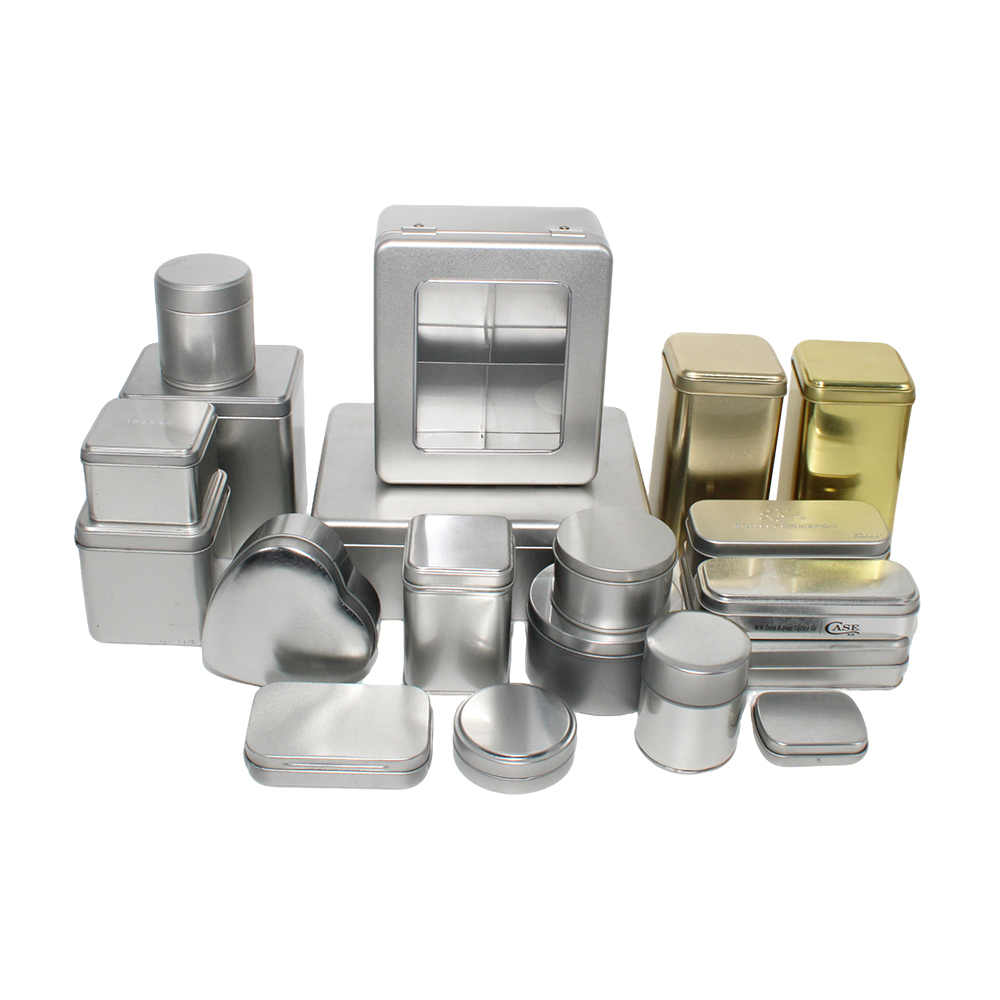
Amid growing public focus on household waste sorting, whether tin cans can be properly recycled has become one of the most searched environmental questions worldwide. Latest industry reports confirm that tin cans are infinitely recyclable, yet inconsistent disposal habits continue to hold back global recycling performance. Environmental authorities and metal producers are stepping up public education to improve metal waste utilization this year.
Are Tin Cans Recyclable? Global Recycling Data and Sustainable Insights in 2026

Amid the prevalence of single-use plastic packaging and fleeting snack trends, tin can cookies have secured a solid foothold in the global baked snack market. Featuring sturdy metallic packaging, diverse flavors, nostalgic value and eco-friendly properties, these classic confections have won popularity across age groups, reshaping the competitive landscape of the confectionery industry.
Tin Can Cookies Make a Sustainable Comeback in Global Snack Markets
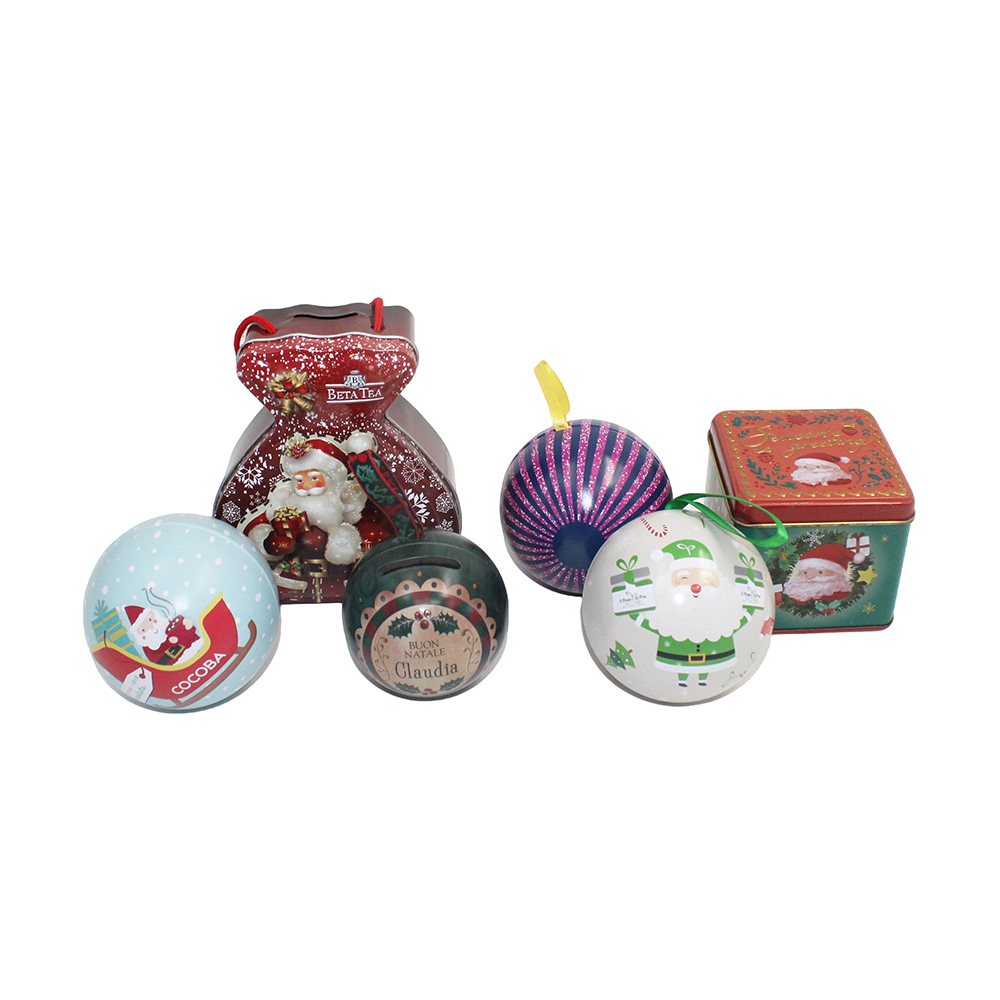
As the annual Christmas shopping season officially kicks off, festive packaging has become one of the best-selling consumer goods in major supermarkets and gift stores. Among these seasonal items, Christmas tin can products have seen a sharp increase in sales, gradually replacing traditional paper gift boxes and plastic packaging. Industry analysts point out that durability, recyclability and exquisite festive designs are the three core drivers behind this year’s consumption boom.
Christmas Tin Cans Gain Huge Popularity in This Year’s Holiday Consumer Market
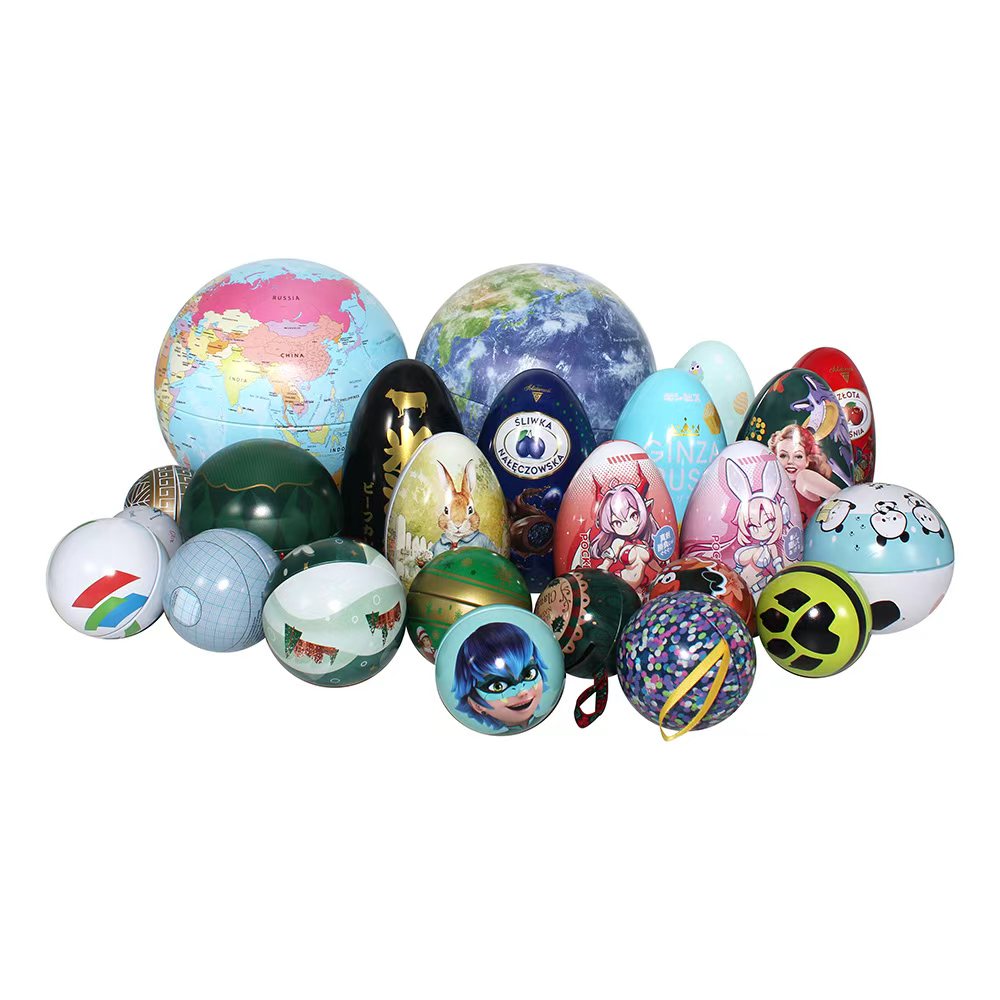
The global chewing gum industry is undergoing a notable packaging transformation, with gum in tin can rapidly emerging as a mainstream consumer choice. Amid growing demand for portable, eco-friendly, and premium daily snacks, traditionally plastic-packaged chewing gum is gradually losing market share, while tin-can packaged gum has gained immense popularity among young consumers and health-conscious buyers.
Tin Can Takeover: How Premium Packaged Gum Is Transforming the Global Confectionery Market