
Classic Metal Lunch Box
author: Estelle
2026-04-10

Classic Metal Lunch Box: Timeless Charm Meets Modern Sustainability
Market Overview: Resilience in a Fast-Growing Sector
The classic metal lunch box has solidified its position as a cornerstone of the global meal storage market, with stainless steel variants dominating 55% of the classic insulated lunch box segment by value in 2024. Valued at USD 1.2 billion that year, the broader classic insulated lunch box market is projected to surge at a CAGR of 8.8% from 2026 to 2033, reaching USD 2.5 billion by 2033.
Driven by surging sustainability consciousness and demand for on-the-go meal solutions, the metal lunch box category outpaces plastic alternatives, with Asia Pacific emerging as the fastest-growing regional market. Driven by rising disposable incomes and a shift toward healthy eating habits, this region is poised to capture a growing share of the global market in the coming years.

Core Advantages: Durability, Safety, and Eco-Consciousness
Unmatched Durability
Crafted from robust tin or food-grade stainless steel, classic metal lunch boxes are engineered for longevity. Reinforced corners, heavy-duty hinges, and secure clasps ensure they withstand rough handling, drops, and daily use for decades. Unlike plastic containers that warp or degrade quickly, metal variants maintain structural integrity even with frequent washing and temperature fluctuations, making them a cost-effective long-term investment.
Food Safety and Hygiene
Metal's non-porous surface prevents bacterial growth and cross-contamination, outperforming plastic in hygiene standards. Free from chemical leaching risks—especially critical for hot or acidic foods—these lunch boxes feature food-safe coatings that resist odors and stains, ensuring meals stay fresh and uncontaminated. Tight-sealing lids and ventilation systems further prevent moisture buildup, preserving food quality throughout the day.
Sustainability Leadership
In an era focused on reducing single-use waste, metal lunch boxes stand out as eco-friendly champions. Their reusable design eliminates the need for disposable containers, potentially preventing thousands of plastic items from landfills over their lifetime. Fully recyclable at the end of their use, they align with circular economy principles, while their manufacturing process typically carries a lower environmental footprint than plastic alternatives.

Design Evolution: Blending Nostalgia with Modern Functionality
Classic Aesthetics Reimagined
Rooted in mid-20th-century Americana, vintage metal lunch boxes featured vibrant lithographed artwork—ranging from cartoon characters to iconic pop culture motifs—that turned utilitarian items into collectibles. Modern manufacturers preserve this nostalgic charm while integrating contemporary design elements: minimalist clean lines, bold color palettes, and customizable prints cater to diverse tastes, from children to office professionals.
Functional Innovations
Today's metal lunch boxes balance nostalgia with practicality:
- Modular Compartments: Removable dividers and stackable designs enable organized meal storage, ideal for portion control and balanced eating.
- Enhanced Insulation: Vacuum-sealed metal variants maintain optimal temperatures for hours, keeping hot meals warm and cold items chilled.
- Ergonomic Features: Comfortable handles, leak-proof silicone seals, and dishwasher-safe surfaces simplify daily use, even for busy commuters.
- Customization Options: Brands offer personalized engravings, logo prints, and themed designs, fostering a sense of ownership and uniqueness.

Market Dynamics: Drivers, Trends, and Challenges
Key Growth Drivers
- Sustainability Trends: Escaping plastic waste concerns, environmentally conscious consumers prioritize reusable metal alternatives, driving demand across North America, Europe, and Asia Pacific.
- Health and Wellness Focus: Rising interest in meal prepping and healthy eating fuels demand for portion-controlled, hygienic storage solutions.
- Remote Work and On-the-Go Lifestyles: As remote work and outdoor activities gain popularity, metal lunch boxes have become essential for professionals, students, and outdoor enthusiasts.
- E-Commerce Expansion: Online retail platforms provide global access to niche metal lunch box brands, boosting visibility and sales.
Emerging Trends
- Smart Integration: Limited models feature temperature-sensing capabilities or USB-powered heating/cooling, blending technology with traditional design.
- Corporate Gifting: Custom-printed metal lunch boxes have emerged as popular corporate gifts, aligning with sustainability goals and brand values.
- Cultural Adaptations: Regional designs cater to local tastes—for example, tiffin-style metal lunch boxes in India and compact, colorful variants in European markets.
Key Challenges
- Cost Pressures: Fluctuating raw material prices (e.g., stainless steel) and manufacturing costs impact profit margins, especially for small-scale producers.
- Competition from Alternatives: Lightweight, affordable plastic and fabric lunch boxes continue to capture price-sensitive market segments.
- Logistical Complexities: International shipping of metal products poses challenges, including weight-related costs and potential damage risks.

Future Outlook: A Timeless Category Reimagined
The classic metal lunch box is poised for sustained growth, with projections indicating the broader insulated lunch box market will reach USD 5 billion by 2027. Manufacturers will focus on three key areas to drive innovation:
- Sustainable Manufacturing: Using recycled metals and eco-friendly coatings to reduce environmental impact further.
- Tech Integration: Developing smart, energy-efficient insulation and temperature-control features without compromising durability.
- Global Localization: Adapting designs to regional preferences while maintaining core sustainability and safety standards.
For consumers, the metal lunch box remains more than a meal container—it is a symbol of conscious living, blending timeless style with modern responsibility. As sustainability becomes a global priority, its relevance will only deepen, ensuring it remains a staple in households worldwide for years to come.

Tin Containers Industry Enters a New Era: Green Transformation, Technological Upgrade and Market Expansion in 2026
Tea Tin Can Gains Traction as Premium, Sustainable Packaging Choice Amid Global Tea Industry Growth
Related Article
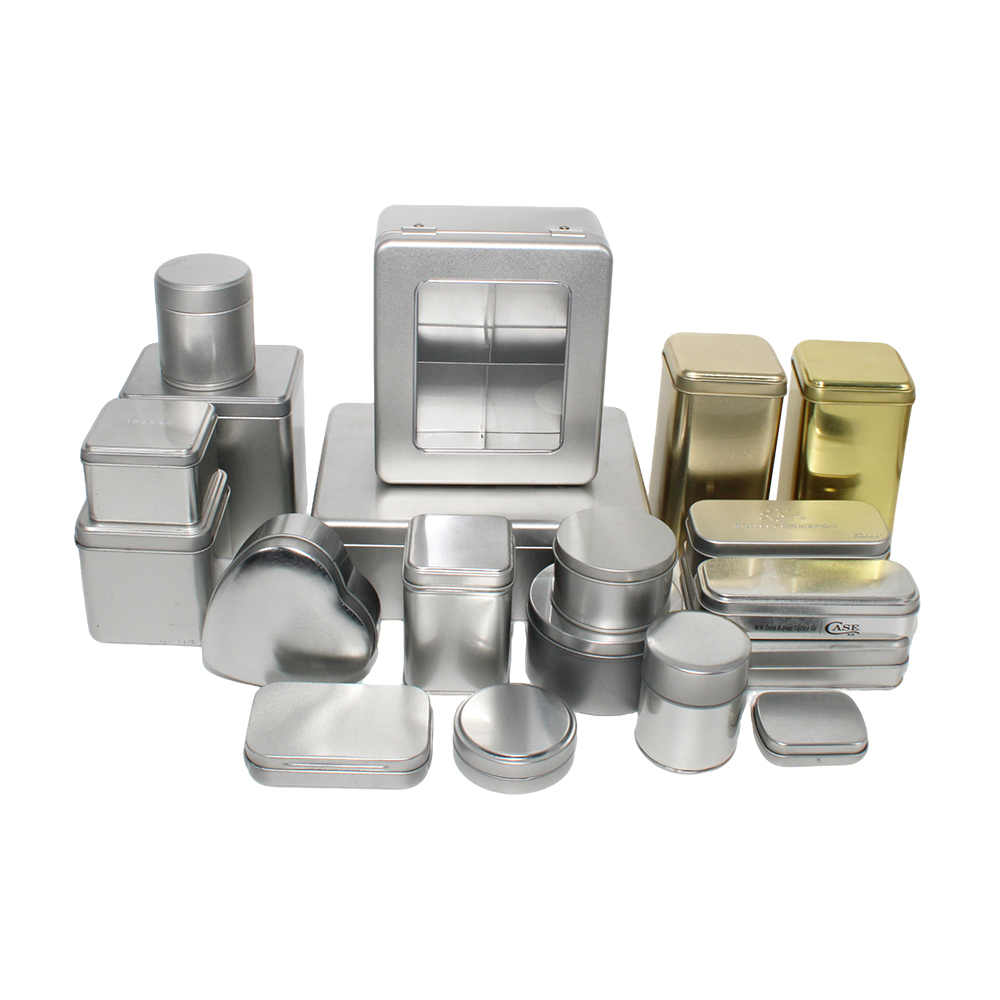
Amid growing public focus on household waste sorting, whether tin cans can be properly recycled has become one of the most searched environmental questions worldwide. Latest industry reports confirm that tin cans are infinitely recyclable, yet inconsistent disposal habits continue to hold back global recycling performance. Environmental authorities and metal producers are stepping up public education to improve metal waste utilization this year.
Are Tin Cans Recyclable? Global Recycling Data and Sustainable Insights in 2026

Amid the prevalence of single-use plastic packaging and fleeting snack trends, tin can cookies have secured a solid foothold in the global baked snack market. Featuring sturdy metallic packaging, diverse flavors, nostalgic value and eco-friendly properties, these classic confections have won popularity across age groups, reshaping the competitive landscape of the confectionery industry.
Tin Can Cookies Make a Sustainable Comeback in Global Snack Markets
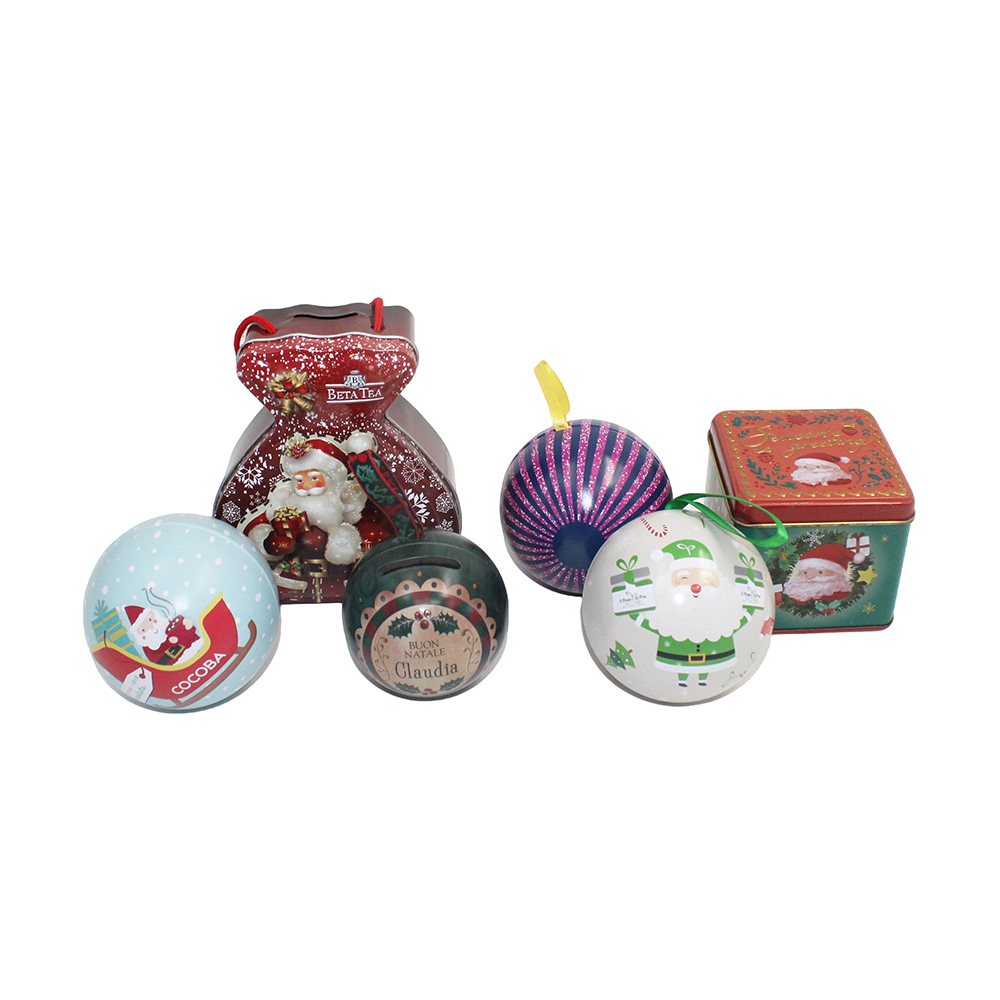
As the annual Christmas shopping season officially kicks off, festive packaging has become one of the best-selling consumer goods in major supermarkets and gift stores. Among these seasonal items, Christmas tin can products have seen a sharp increase in sales, gradually replacing traditional paper gift boxes and plastic packaging. Industry analysts point out that durability, recyclability and exquisite festive designs are the three core drivers behind this year’s consumption boom.
Christmas Tin Cans Gain Huge Popularity in This Year’s Holiday Consumer Market
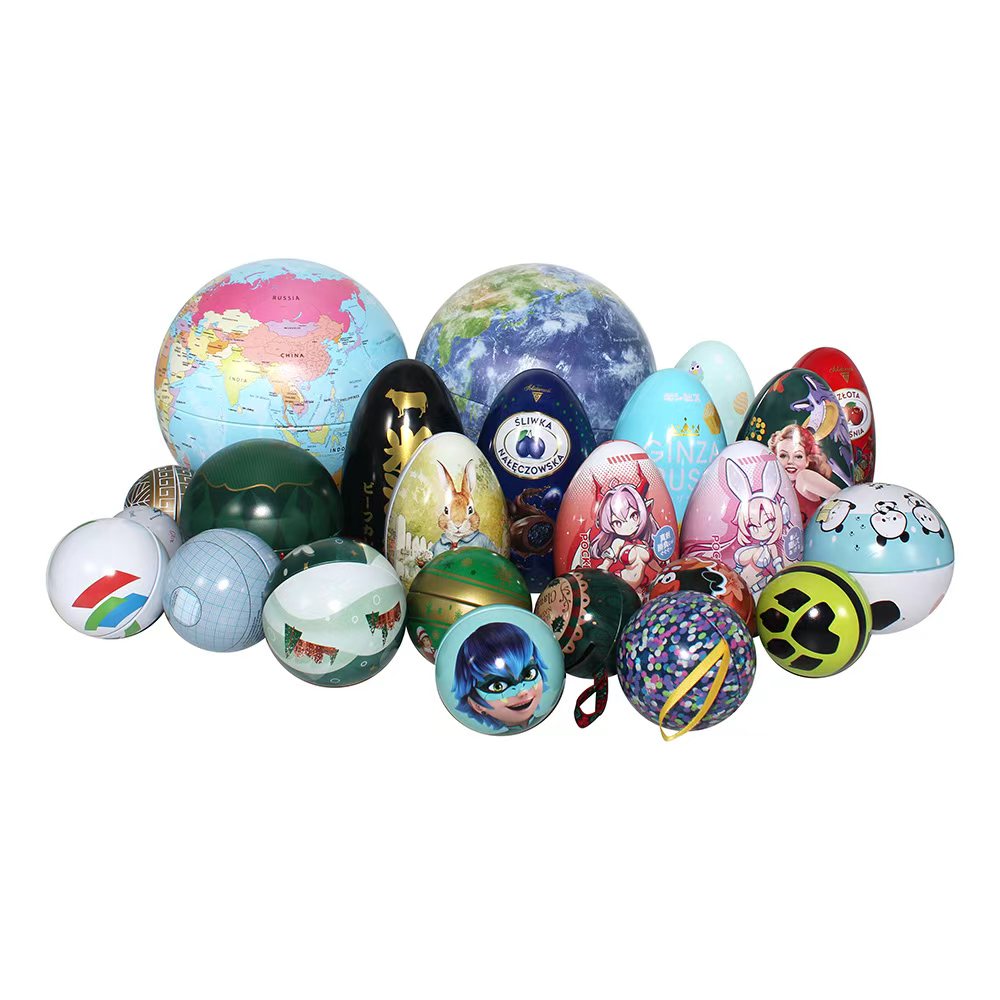
The global chewing gum industry is undergoing a notable packaging transformation, with gum in tin can rapidly emerging as a mainstream consumer choice. Amid growing demand for portable, eco-friendly, and premium daily snacks, traditionally plastic-packaged chewing gum is gradually losing market share, while tin-can packaged gum has gained immense popularity among young consumers and health-conscious buyers.
Tin Can Takeover: How Premium Packaged Gum Is Transforming the Global Confectionery Market