
Coffee Tin Canister: Driving Sustainable Packaging Trends and Elevating Coffee Freshness Experience
author: Estelle
2026-04-14

Coffee Tin Canister: Driving Sustainable Packaging Trends and Elevating Coffee Freshness Experience
April 14, 2026 – As global coffee consumption continues to rise and sustainability becomes a core focus for both brands and consumers, the coffee tin canister has emerged as a standout packaging solution, blending functionality, aesthetic appeal, and environmental responsibility. Industry reports indicate a steady growth trajectory for the specialty tin cans market, with coffee-related applications playing a pivotal role in driving demand and innovation.

Market Growth Fueled by Premiumization and Sustainability
According to a recent report by Future Market Insights, the specialty tin cans market is projected to grow at a CAGR of 4.1% from 2026 to 2036, reaching USD 979.4 million by the end of the forecast period. A key driver behind this growth is the increasing preference for premium and sustainable packaging in the coffee industry, where the coffee tin canister is favored for its ability to enhance shelf appeal, protect product quality, and align with eco-friendly consumer values.
“The coffee tin canister has transcended its basic storage function to become a strategic tool for brands to differentiate themselves,” said an industry analyst. “Consumers are increasingly drawn to reusable, recyclable packaging options, and the coffee tin canister – made of tinplate – perfectly meets this demand while preserving the aroma and flavor of coffee.” Unlike plastic alternatives, tinplate is fully recyclable and does not impart unwanted flavors to the coffee, making the coffee tin canister a preferred choice for specialty and premium coffee brands.
Innovation in Design and Functionality
Recent years have seen significant innovations in coffee tin canister design and functionality, catering to both consumer needs and brand customization goals. From airtight sealing technologies to artistic design elements, manufacturers are elevating the user experience of the coffee tin canister while maintaining its practicality.
-
Airtight and Protective Features: High-quality coffee tin canisters are equipped with advanced sealing mechanisms, such as silicone gaskets, clamp lids, and one-way degassing valves, to block air, moisture, and light – the main factors that degrade coffee quality. Some coffee tin canister models even include humidity monitoring meters to help users maintain optimal storage conditions for coffee beans.
-
Aesthetic and Customization Options: Brands are leveraging design to stand out on retail shelves, with options ranging from abstract artistic patterns to personalized laser engraving and digital printing. For example, the Venhel brand has gained attention for its coffee tin canisters featuring explosion-style abstract patterns and regional color schemes, blending art with functionality and creating collectible value. Customization also extends to shapes and sizes, from compact sampler tins to large bulk storage containers, catering to both home and commercial use.
-
Sustainable Material Advancements: Manufacturers are increasingly adopting recycled tinplate and eco-friendly coatings, such as food-safe, BPA-free lacquers, to enhance the sustainability credentials of the coffee tin canister. Nescafé, for instance, has introduced recyclable metal coffee tin canisters for its Roastery line, emphasizing the container's second-life value while preserving coffee flavor.

Regional Market Dynamics and Industry Challenges
East Asia and Western Europe currently lead the global market for coffee tin canisters, supported by high coffee consumption rates and strong demand for premium packaging. In China, the coffee tin canister industry is expected to grow at an annual rate of over 12% between 2026 and 2030, driven by rising coffee consumption and supportive government policies promoting green packaging. The country's Pearl River Delta region, home to numerous tin can manufacturers, has become a key hub for both domestic supply and export of coffee tin canisters, with 2024 coffee tin canister exports growing by 22.4% year-on-year.
Despite the positive growth outlook, the coffee tin canister industry faces challenges, including higher metal input costs and competition from flexible and composite packaging formats. However, manufacturers are mitigating these challenges through technological advancements, such as lightweight tin structures that reduce material and logistics costs for the coffee tin canister, and smart packaging integration, such as NFC chips for product traceability.

Future Outlook: Toward More Sustainable and User-Centric Solutions
Looking ahead, the coffee tin canister market is poised for further innovation, with a focus on sustainability, functionality, and user experience. Industry experts predict that reusable and refillable coffee tin canisters will gain traction as part of the circular economy, while smart features and personalized designs will continue to be key differentiators for brands offering coffee tin canisters.
“The coffee tin canister is no longer just a container – it's a bridge between brands and consumers, embodying sustainability, quality, and style,” said a representative from a leading coffee tin canister manufacturer. “As the coffee industry evolves, we expect to see more collaborative efforts between brands and manufacturers to create coffee tin canister solutions that meet the changing needs of both the market and the planet.”
Beyond Storage: The Biscuit Tin Can—History, Culture, and Modern Life
Metal Tin Gift Box Gains Traction in 2026: Merging Sustainability, Customization and Brand Value
Related Article
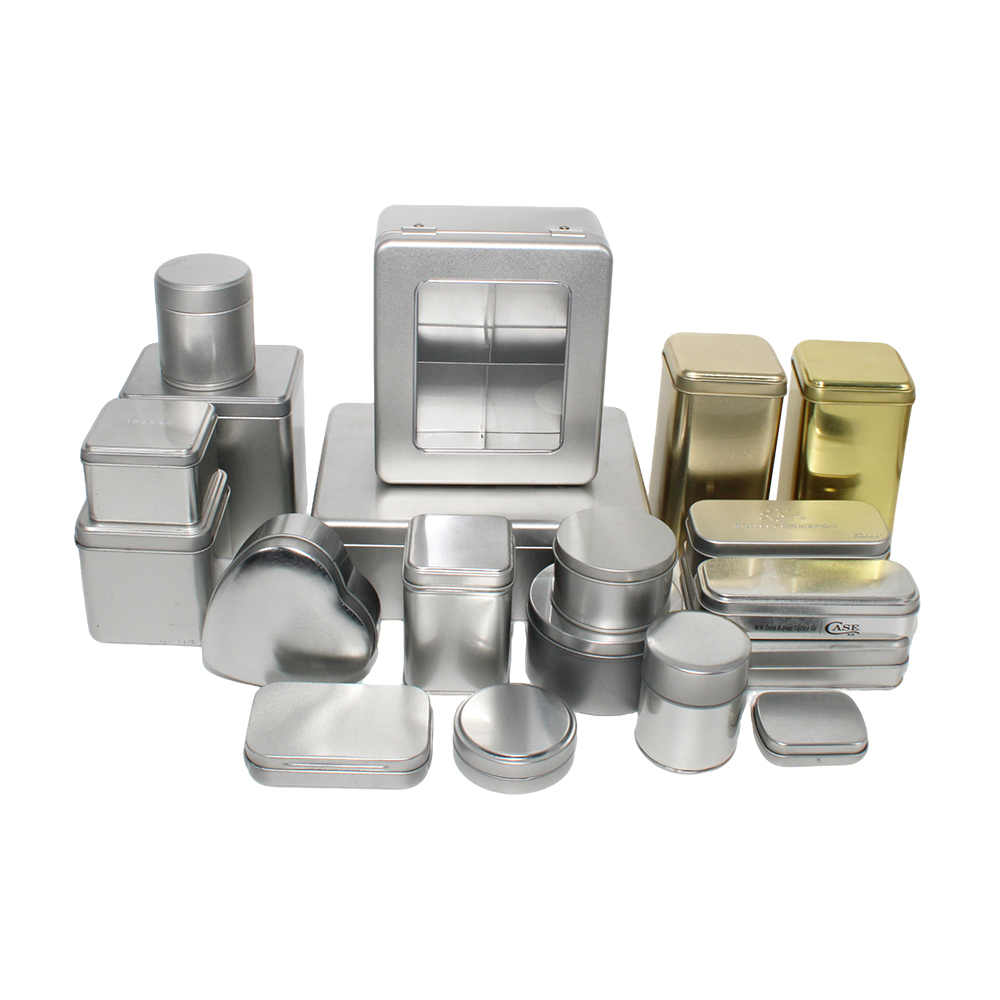
Amid growing public focus on household waste sorting, whether tin cans can be properly recycled has become one of the most searched environmental questions worldwide. Latest industry reports confirm that tin cans are infinitely recyclable, yet inconsistent disposal habits continue to hold back global recycling performance. Environmental authorities and metal producers are stepping up public education to improve metal waste utilization this year.
Are Tin Cans Recyclable? Global Recycling Data and Sustainable Insights in 2026

Amid the prevalence of single-use plastic packaging and fleeting snack trends, tin can cookies have secured a solid foothold in the global baked snack market. Featuring sturdy metallic packaging, diverse flavors, nostalgic value and eco-friendly properties, these classic confections have won popularity across age groups, reshaping the competitive landscape of the confectionery industry.
Tin Can Cookies Make a Sustainable Comeback in Global Snack Markets
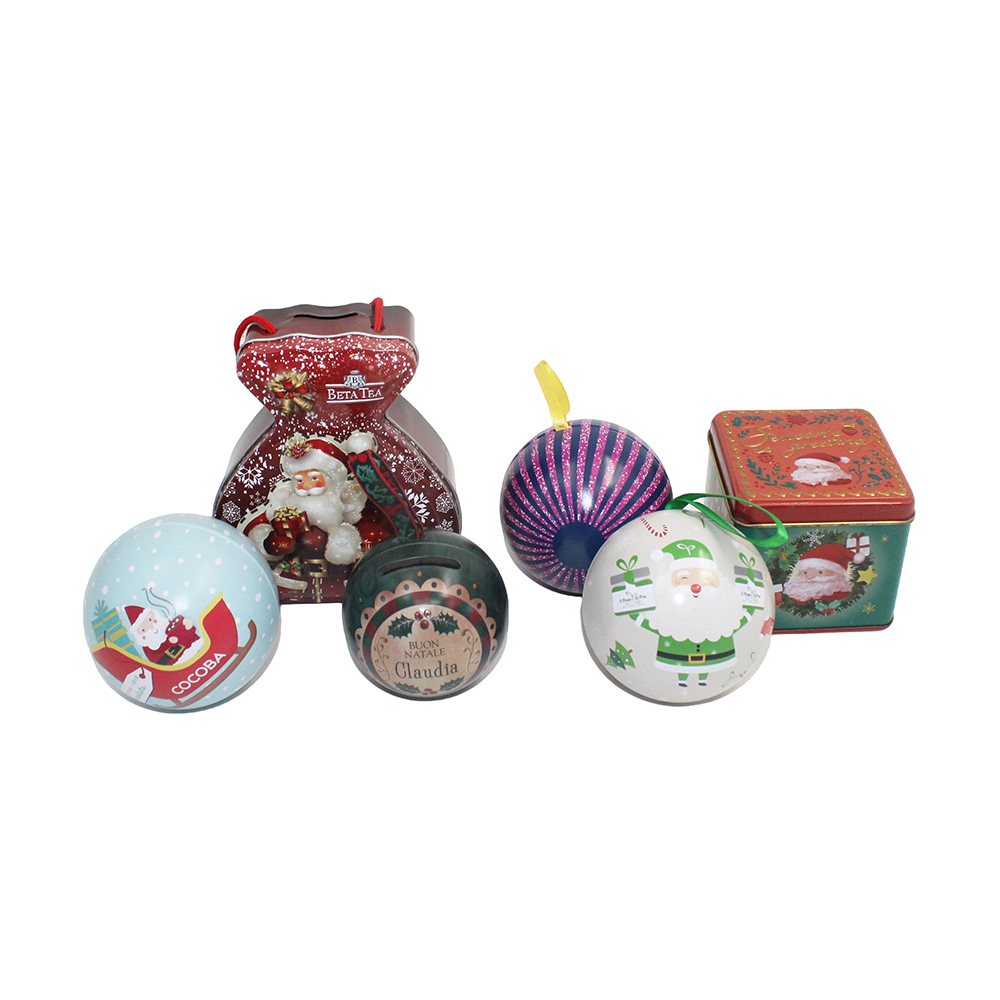
As the annual Christmas shopping season officially kicks off, festive packaging has become one of the best-selling consumer goods in major supermarkets and gift stores. Among these seasonal items, Christmas tin can products have seen a sharp increase in sales, gradually replacing traditional paper gift boxes and plastic packaging. Industry analysts point out that durability, recyclability and exquisite festive designs are the three core drivers behind this year’s consumption boom.
Christmas Tin Cans Gain Huge Popularity in This Year’s Holiday Consumer Market
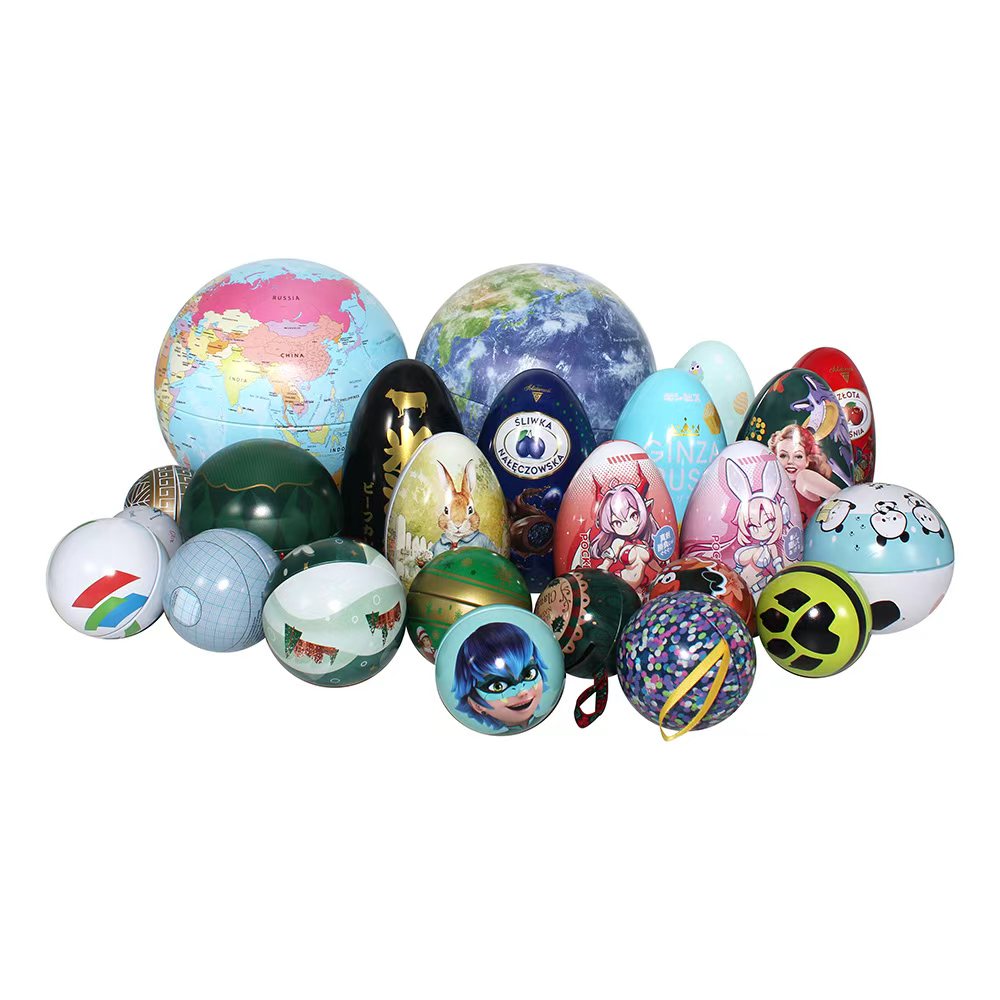
The global chewing gum industry is undergoing a notable packaging transformation, with gum in tin can rapidly emerging as a mainstream consumer choice. Amid growing demand for portable, eco-friendly, and premium daily snacks, traditionally plastic-packaged chewing gum is gradually losing market share, while tin-can packaged gum has gained immense popularity among young consumers and health-conscious buyers.
Tin Can Takeover: How Premium Packaged Gum Is Transforming the Global Confectionery Market