
Custom Tin Box Industry Booms Globally: Driven by Sustainability, Personalization and Technological Innovation
author: Estelle
2026-04-24
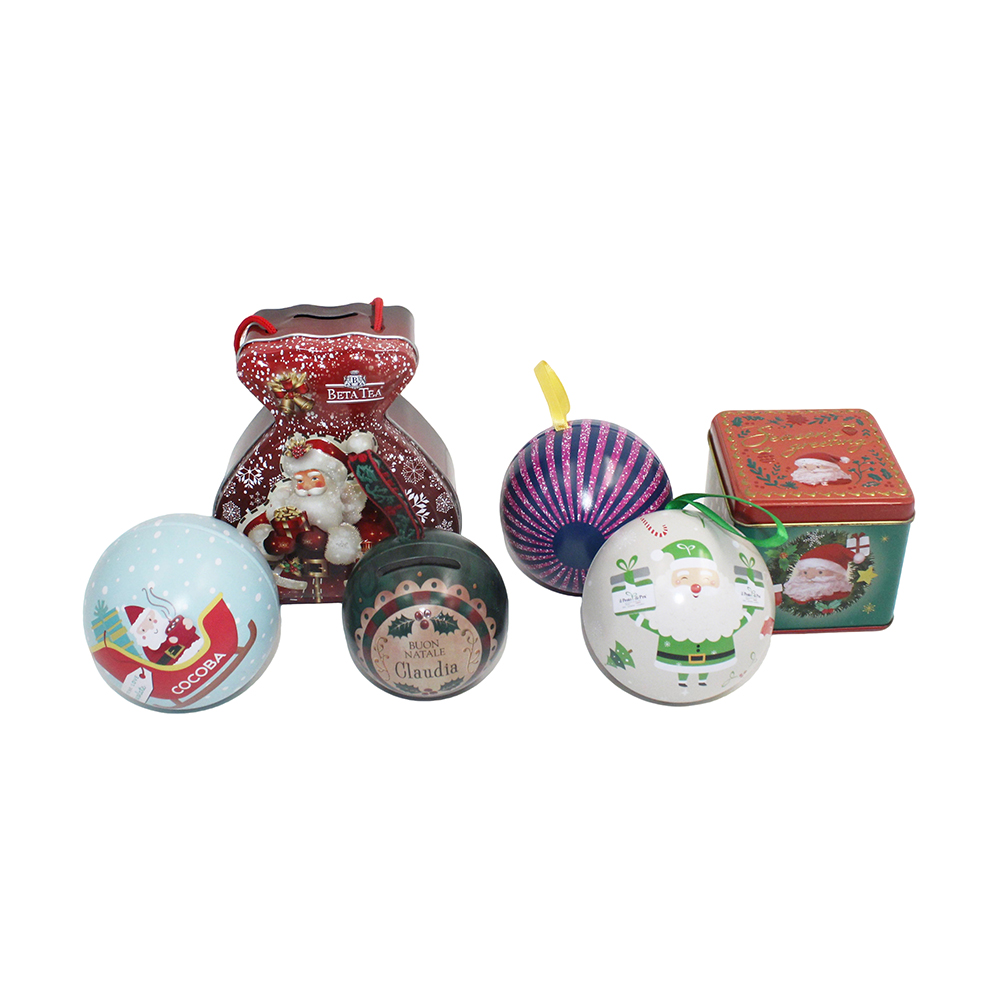
Custom Tin Box Industry Booms Globally: Driven by Sustainability, Personalization and Technological Innovation
April 24, 2026 — The global custom tin box market is experiencing robust growth, fueled by increasing demand for sustainable packaging solutions, rising brand emphasis on personalized branding, and advancements in manufacturing technology. Industry data shows that the global metal packaging market, of which custom tin boxes are a high-value segment, is expected to reach $185 billion by 2026, with a compound annual growth rate (CAGR) of 4.3%, while the Asia-Pacific region leads the growth with a remarkable 6.8% CAGR, far outpacing the 3.2% average of traditional packaging categories.

Market Growth: Surge in Demand Across Diverse Sectors
Custom tin boxes have evolved from a niche packaging option to a mainstream choice across multiple industries, thanks to their unique combination of functionality, aesthetics and sustainability. According to the 2025 China Packaging Industry White Paper, the Chinese custom tin box market alone reached 8.7 billion yuan in 2023 and is projected to exceed 12 billion yuan by 2026. Among various segments, food-grade custom tin boxes account for the largest share (42%), followed by gift packaging (28%) and tea packaging (18%), while cultural and creative custom tin boxes have witnessed a stunning 15% growth rate over the past three years, highlighting their huge market potential.
Key application sectors driving this growth include food and beverage, cosmetics, tea, stationery, and pharmaceuticals, with diverse real-world scenarios that highlight the versatility of custom tin boxes. For instance, premium biscuit and chocolate brands in Europe and North America are increasingly adopting custom tin boxes to enhance product premiumness and extend shelf life—these tins often feature brand logos and festive designs, making them ideal for holiday gifting (such as Christmas and Valentine’s Day) and household storage after use, aligning with the circular economy trend. In the tea industry, custom tin boxes are favored for their ability to preserve freshness by blocking light, moisture and air, widely used for high-end loose-leaf tea, tea cakes and gift sets, becoming a staple in tea shops and luxury gift markets worldwide. Beyond these, custom tin boxes are also widely applied in cosmetics, where small-sized tins hold lip balms, solid perfumes and eyeshadow palettes, combining portability with brand aesthetics; in stationery, they serve as elegant pencil cases, stamp boxes and memo holders for students and office workers; and in pharmaceuticals, child-resistant custom tin boxes are used to package vitamins, herbal supplements and medical devices, ensuring safety and durability.

Industry Trends: Sustainability, Precision and Full-Service Customization
Three prominent trends are shaping the future of the custom tin box industry, as observed from industry reports and market practices. First, sustainability has become a core competitive advantage. With global environmental regulations tightening and consumers becoming more eco-conscious, custom tin boxes are gaining traction due to their high recyclability (up to 86% according to Eurostat) and reusability, offering a lower carbon footprint compared to glass and plastic packaging. Manufacturers are also adopting green production technologies, such as water-based inks and UV printing, to meet international environmental standards like FDA and EU RoHS.
Second, the demand for precision and intelligence in production is on the rise. Procurers are now demanding higher precision in custom tin boxes, with tolerance standards upgraded from ±1mm to a more stringent level. Digital printing and automated production lines have become standard equipment for leading manufacturers, ensuring consistent quality and efficient delivery. Advanced techniques like embossing and debossing are also widely used to create tactile and visually striking designs, enhancing brand recognition and product appeal.
Third, full-process service capability has become a key factor for brands when selecting suppliers, especially as application scenarios become more diverse. Modern custom tin box manufacturers now offer one-stop services, including design support, mold development, rapid sampling, production and logistics, to meet the diverse needs of brands across different scenarios. For example, many manufacturers provide 3D rendering design and 48-hour rapid sampling services, supporting small-batch customization starting from 5,000 units—this is particularly beneficial for small and medium-sized brands, such as independent skincare brands needing small custom tins for sample products, local bakeries requiring branded tins for homemade cookies, and cultural institutions creating custom tin boxes for souvenirs (e.g., museum-themed tins holding postcards or small handicrafts). These services ensure that custom tin boxes perfectly fit the specific usage scenario, whether it’s for gifting, storage, display or functional packaging.

Enterprise Spotlight: Leading Manufacturers Set Industry Benchmarks
Several leading manufacturers are driving innovation and setting benchmarks in the custom tin box industry. Zhejiang Jiafeng Cultural Products Co., Ltd., a veteran enterprise with 33 years of experience, has established a cross-regional production layout with 40,000 square meters of production bases, equipped with advanced Fuji iron printing and coating lines, and has developed over 3,000 sets of molds. With a monthly output exceeding 10 million cans, the company serves international giants such as Walmart, Nestlé and Coca-Cola, offering cost advantages 8-12% lower than the industry average while providing free design consulting services.
Another notable player is Guangdong Huayin Metal Products Co., Ltd., which specializes in food-grade custom tin boxes with an 18,000-square-meter production base and an annual output of 6 million units—its products cover a wide range of application scenarios, from large tin boxes for bulk nuts and dried fruits to small, portable tins for candy and instant tea bags. The company has obtained ISO22000 and BRC certifications, and its 100,000-level clean workshop ensures high precision and safety in food packaging production, with a sealing test pass rate of 99.6%. In the cultural and creative sector, Suzhou Yicheng Packaging Technology Co., Ltd. stands out with its independent design team, launching over 200 new styles annually and using environmentally friendly water-based inks; its custom tin boxes are widely used in scenarios such as designer collaborations, limited-edition collectibles, and brand anniversary gifts, catering to niche brands and creative institutions. Additionally, the company also provides custom tins for corporate souvenirs, such as branded tins holding USB drives or keychains, helping brands enhance brand recall through practical and aesthetic packaging.

Future Outlook: Innovation and Global Expansion to Drive Further Growth
Looking ahead, the custom tin box industry is poised for continued growth, driven by ongoing technological innovation, expanding global demand, and the emergence of new application scenarios. Industry experts predict that the global market will maintain a steady growth trajectory, with emerging trends including lightweight design to reduce carbon emissions, smart packaging integration (such as adding QR codes to tins for product traceability or interactive marketing), and further customization flexibility to adapt to new scenarios—such as eco-friendly custom tins for zero-waste stores, waterproof tins for outdoor gear storage, and personalized tin boxes for wedding favors and birthday gifts. Manufacturers are also expected to invest more in R&D to develop new materials and processes, enhancing the durability and sustainability of custom tin boxes to meet the evolving needs of diverse application scenarios.
For brands, custom tin boxes are no longer just a packaging tool but a powerful brand communication medium that combines functionality, aesthetics and sustainability. As the industry matures, the competition will shift from price to quality, technology and service, pushing manufacturers to continuously upgrade their capabilities to meet the evolving needs of global brands. With its unique advantages, the custom tin box is set to play an increasingly important role in the global packaging industry in the coming years.

Tin Can Recycling Gains Global Momentum in 2026 Amid New Circular Economy Policies
Big Tin Can Innovation: Industry-Wide Breakthroughs in Sustainable Tinplate Packaging
Related Article
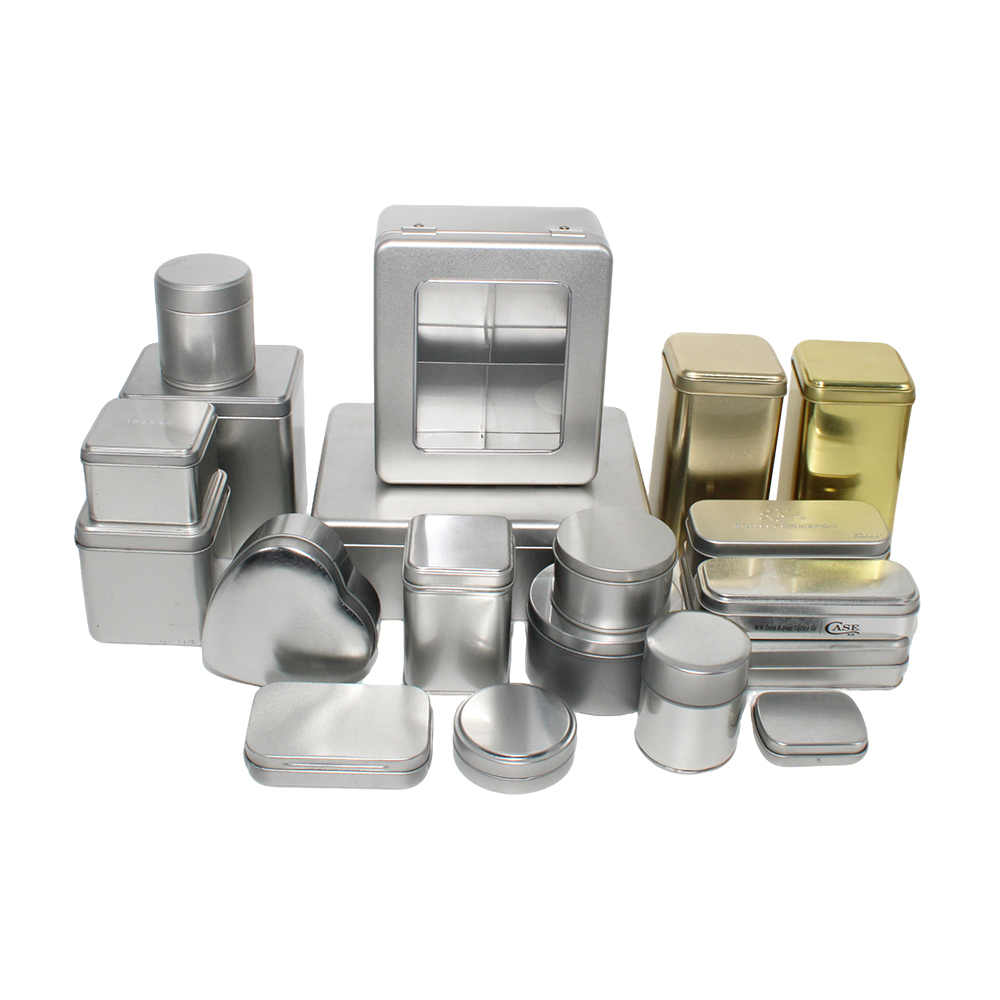
Amid growing public focus on household waste sorting, whether tin cans can be properly recycled has become one of the most searched environmental questions worldwide. Latest industry reports confirm that tin cans are infinitely recyclable, yet inconsistent disposal habits continue to hold back global recycling performance. Environmental authorities and metal producers are stepping up public education to improve metal waste utilization this year.
Are Tin Cans Recyclable? Global Recycling Data and Sustainable Insights in 2026

Amid the prevalence of single-use plastic packaging and fleeting snack trends, tin can cookies have secured a solid foothold in the global baked snack market. Featuring sturdy metallic packaging, diverse flavors, nostalgic value and eco-friendly properties, these classic confections have won popularity across age groups, reshaping the competitive landscape of the confectionery industry.
Tin Can Cookies Make a Sustainable Comeback in Global Snack Markets
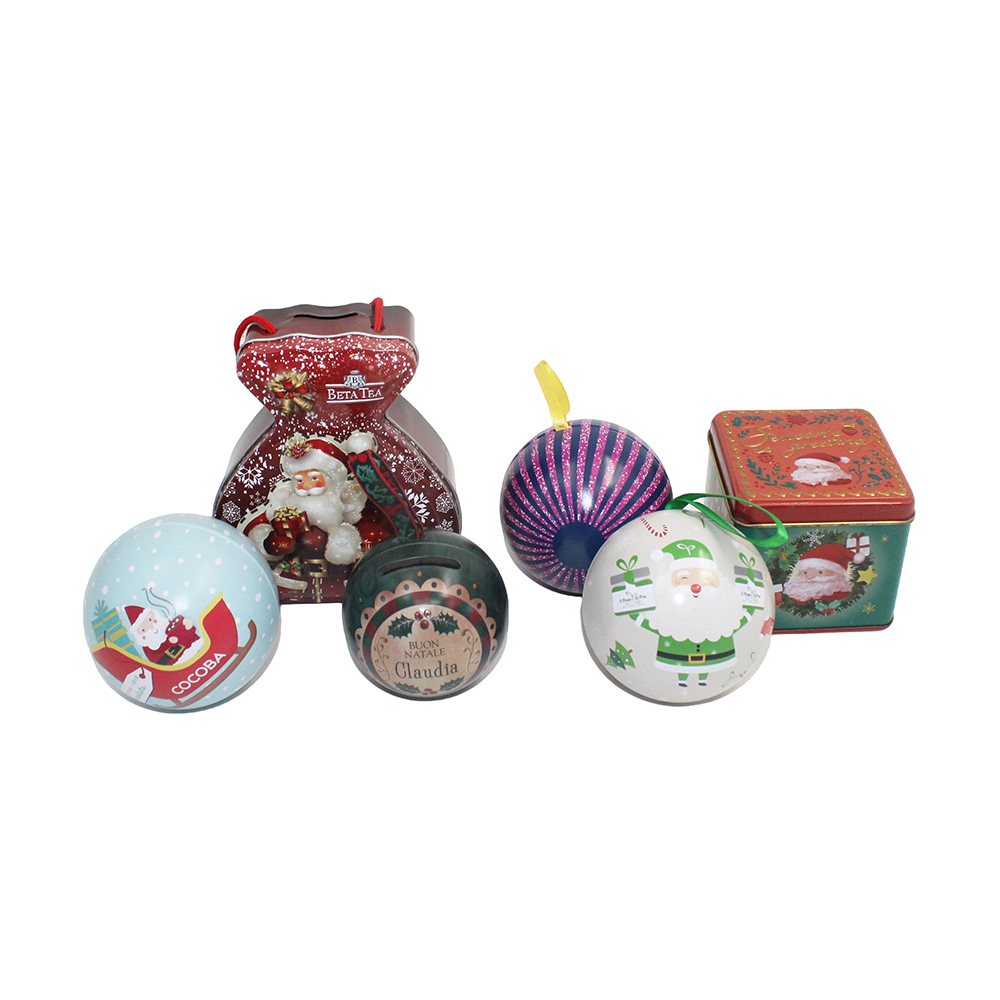
As the annual Christmas shopping season officially kicks off, festive packaging has become one of the best-selling consumer goods in major supermarkets and gift stores. Among these seasonal items, Christmas tin can products have seen a sharp increase in sales, gradually replacing traditional paper gift boxes and plastic packaging. Industry analysts point out that durability, recyclability and exquisite festive designs are the three core drivers behind this year’s consumption boom.
Christmas Tin Cans Gain Huge Popularity in This Year’s Holiday Consumer Market
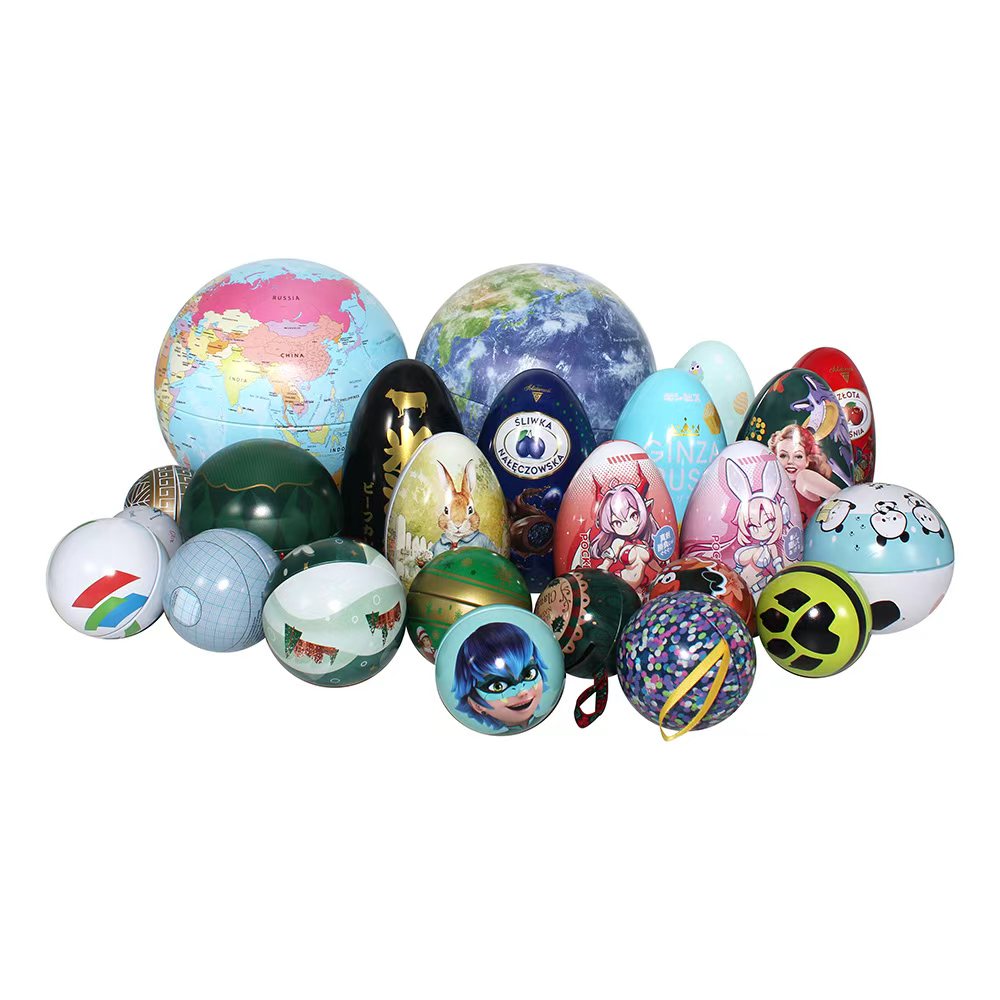
The global chewing gum industry is undergoing a notable packaging transformation, with gum in tin can rapidly emerging as a mainstream consumer choice. Amid growing demand for portable, eco-friendly, and premium daily snacks, traditionally plastic-packaged chewing gum is gradually losing market share, while tin-can packaged gum has gained immense popularity among young consumers and health-conscious buyers.
Tin Can Takeover: How Premium Packaged Gum Is Transforming the Global Confectionery Market