
Custom Tin Cans Boom in 2026: Sustainability and Brand Personalization Drive Global Market Growth
author: Estelle
2026-05-06

Custom Tin Cans Boom in 2026: Sustainability and Brand Personalization Drive Global Market Growth
By Industry Business Reporter
May 6, 2026 — Amid the global shift toward eco-friendly packaging and differentiated brand marketing, custom tin cans have emerged as a fast-growing segment in the metal packaging industry. Latest market data shows the global specialty custom tin can market continues steady expansion, becoming a preferred packaging solution for beauty, food, craft, and gift industries worldwide.

Robust Market Growth Backed by Sustainable Consumption Trends
According to 2026 industry forecast reports, the global specialty tin can market is valued at approximately USD 683 million in 2026, with a projected growth rate of 4.2% annually. It is expected to reach nearly USD 980 million by 2036. Driven by rising environmental awareness and strict plastic restriction policies across regions, traditional single-use plastic packaging is gradually being replaced by reusable, recyclable metal containers.
Unlike disposable packaging materials, custom tin cans feature infinite recyclability, stable structure, and low pollution characteristics. As brands and consumers prioritize circular economy concepts, custom tin packaging has transformed from a niche decorative option into a mainstream commercial choice. Industry analysts point out that metal packaging overall will hit USD 136 billion in market value in 2026, and custom tin cans are one of the fastest-growing sub-sectors.

Core Advantages: Customization Meets Practicality and Brand Value
The surging demand for custom tin cans mainly stems from its dual strengths of flexible personalization and functional durability. Manufacturers now offer comprehensive customized services, including exclusive shapes, sizes, printed logos, gradient color coatings, embossed patterns, and personalized text engraving. Brands can design unique tin can packaging that matches their brand tone, product positioning, and seasonal marketing themes.
In terms of practical performance, custom tin cans outperform paper and plastic packaging significantly. The tinplate material provides excellent moisture-proof, dust-proof, compression-resistant, and light-shielding effects, which can effectively protect candles, dried food, cosmetics, skincare balms, and small gifts from damage during storage and transportation. In addition, smooth edge polishing, safe food-grade coating, and anti-rust treatment have become standard configurations for high-end custom tin cans, greatly improving product safety and user experience.

Widening Application Scenarios Across Multiple Industries
Custom tin cans are no longer limited to traditional food packaging. In 2026, their application scenarios have expanded rapidly into diverse high-value fields.
The home fragrance and candle industry is the largest consumer of custom tin cans. Independent fragrance brands and cross-border boutique merchants widely adopt customized tin cans to package scented candles, solid perfumes, and fragrance stones. Exquisitely printed and uniquely shaped tin cans enhance product grade while serving as portable and reusable daily storage containers.
The food and gift industry also shows strong demand. Custom tin packaging is widely used for holiday gift boxes, nut snacks, handmade cookies, and tea packaging. Compared with disposable cartons, reusable tin cans effectively extend the product’s secondary usage value, helping brands win higher consumer favorability.
Moreover, small-batch customized tin cans have become popular among personal creators and small businesses. Low-threshold personalized customization services support niche brands and individual designers to launch limited-edition packaging, boosting the prosperity of the boutique consumer market.

Industry Challenges and New Technological Breakthroughs
Despite the booming market, the custom tin can industry still faces certain challenges. Rising raw material, energy, and labor costs have led to a moderate increase in customized product prices in 2026. Meanwhile, uneven customization quality among small manufacturers has affected the standardized development of the industry.
To address these pain points, leading packaging manufacturers have upgraded production technologies. Intelligent digital printing technology now supports high-precision, full-color personalized patterns with shorter production cycles and lower small-batch customization costs. In addition, eco-friendly water-based coatings and zero-pollution printing processes have been widely promoted, enabling custom tin cans to meet global environmental certification standards and further adapt to international market export requirements.

Future Outlook: Premium and Circular Development
Industry insiders predict that the custom tin can market will maintain stable growth in the next decade, with two major development trends. First, premium and design-oriented differentiation will become the core competition point. More brands will take customized tin packaging as an important part of product experience rather than a simple container.
Second, the circular reuse economy will drive iterative upgrades of products. Reusable, washable, and multi-scene applicable custom tin cans will become mainstream, further reducing packaging waste and helping enterprises achieve sustainable development goals.
As packaging customization and environmental protection become rigid demands of the consumer market, custom tin cans will continue to unlock new commercial value and maintain a strong upward momentum in the global packaging industry.

Painting Tin Cans: The Upcycling Art Trend Taking Over Creative Communities
DIY Trend Explored: Can You Make a Candle in a Tin Can Safely and Easily?
Related Article
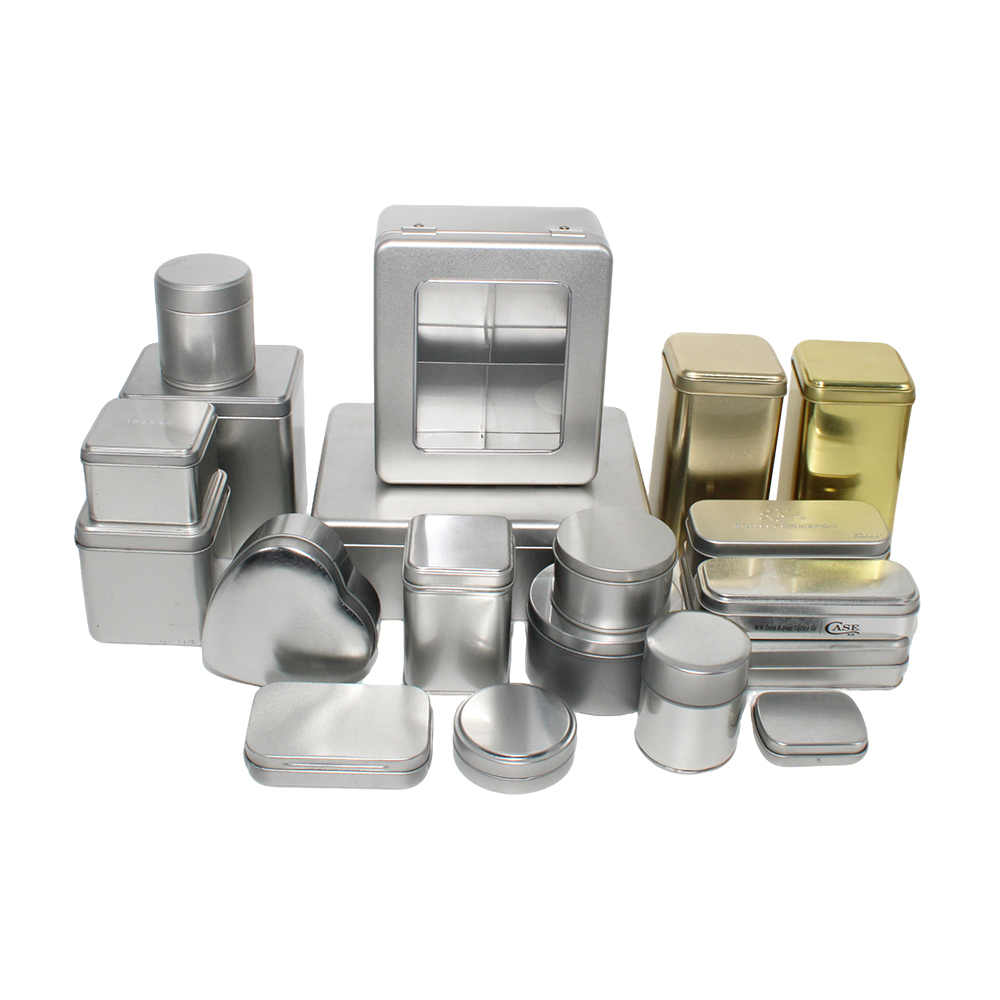
Amid growing public focus on household waste sorting, whether tin cans can be properly recycled has become one of the most searched environmental questions worldwide. Latest industry reports confirm that tin cans are infinitely recyclable, yet inconsistent disposal habits continue to hold back global recycling performance. Environmental authorities and metal producers are stepping up public education to improve metal waste utilization this year.
Are Tin Cans Recyclable? Global Recycling Data and Sustainable Insights in 2026

Amid the prevalence of single-use plastic packaging and fleeting snack trends, tin can cookies have secured a solid foothold in the global baked snack market. Featuring sturdy metallic packaging, diverse flavors, nostalgic value and eco-friendly properties, these classic confections have won popularity across age groups, reshaping the competitive landscape of the confectionery industry.
Tin Can Cookies Make a Sustainable Comeback in Global Snack Markets
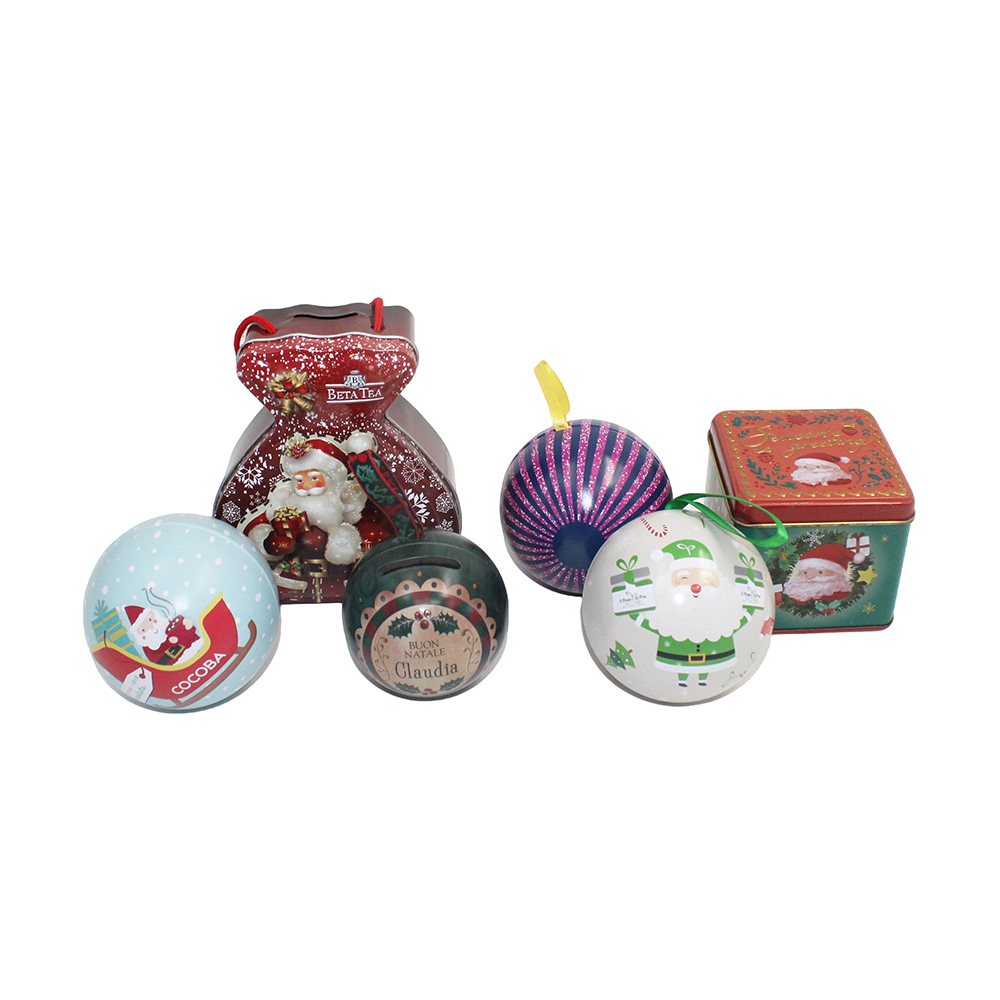
As the annual Christmas shopping season officially kicks off, festive packaging has become one of the best-selling consumer goods in major supermarkets and gift stores. Among these seasonal items, Christmas tin can products have seen a sharp increase in sales, gradually replacing traditional paper gift boxes and plastic packaging. Industry analysts point out that durability, recyclability and exquisite festive designs are the three core drivers behind this year’s consumption boom.
Christmas Tin Cans Gain Huge Popularity in This Year’s Holiday Consumer Market
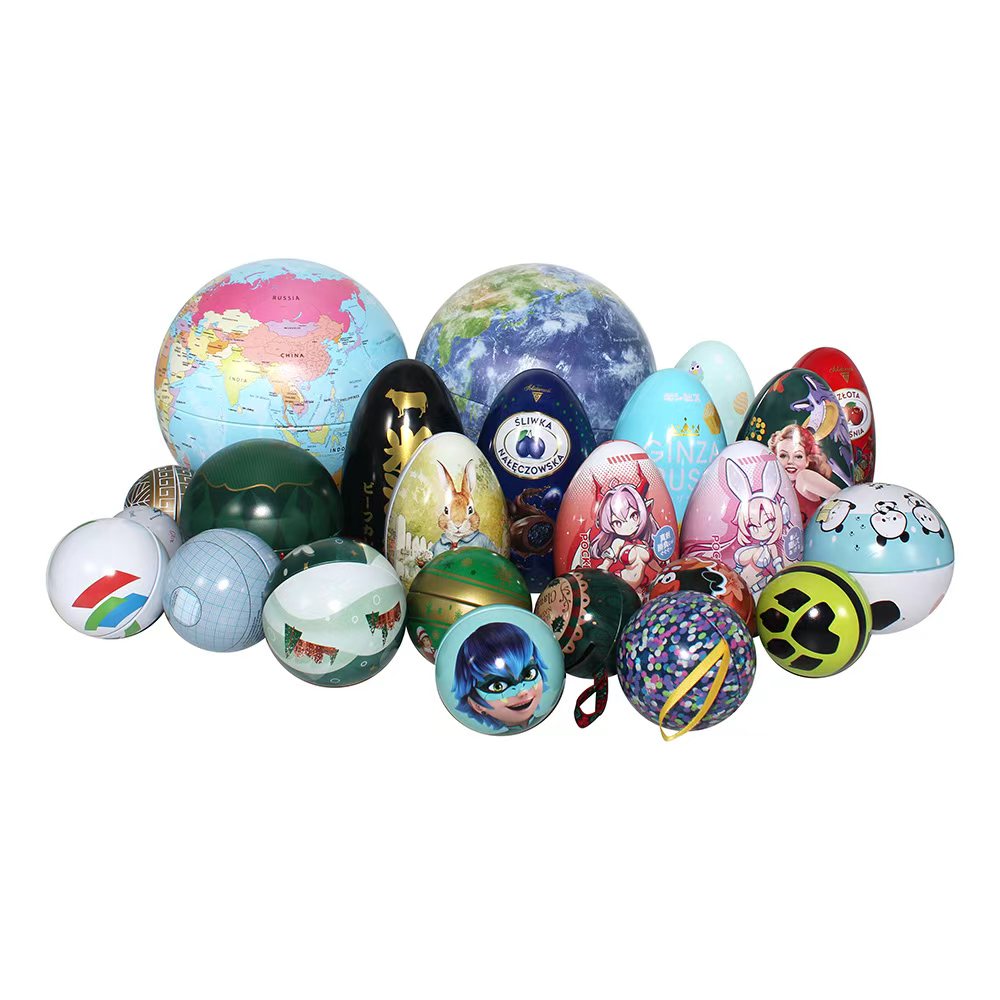
The global chewing gum industry is undergoing a notable packaging transformation, with gum in tin can rapidly emerging as a mainstream consumer choice. Amid growing demand for portable, eco-friendly, and premium daily snacks, traditionally plastic-packaged chewing gum is gradually losing market share, while tin-can packaged gum has gained immense popularity among young consumers and health-conscious buyers.
Tin Can Takeover: How Premium Packaged Gum Is Transforming the Global Confectionery Market