
Metal Lunch Box Tins Experience Surge in Global Demand Amid Sustainability and Safety Trends
author: Estelle
2026-04-21
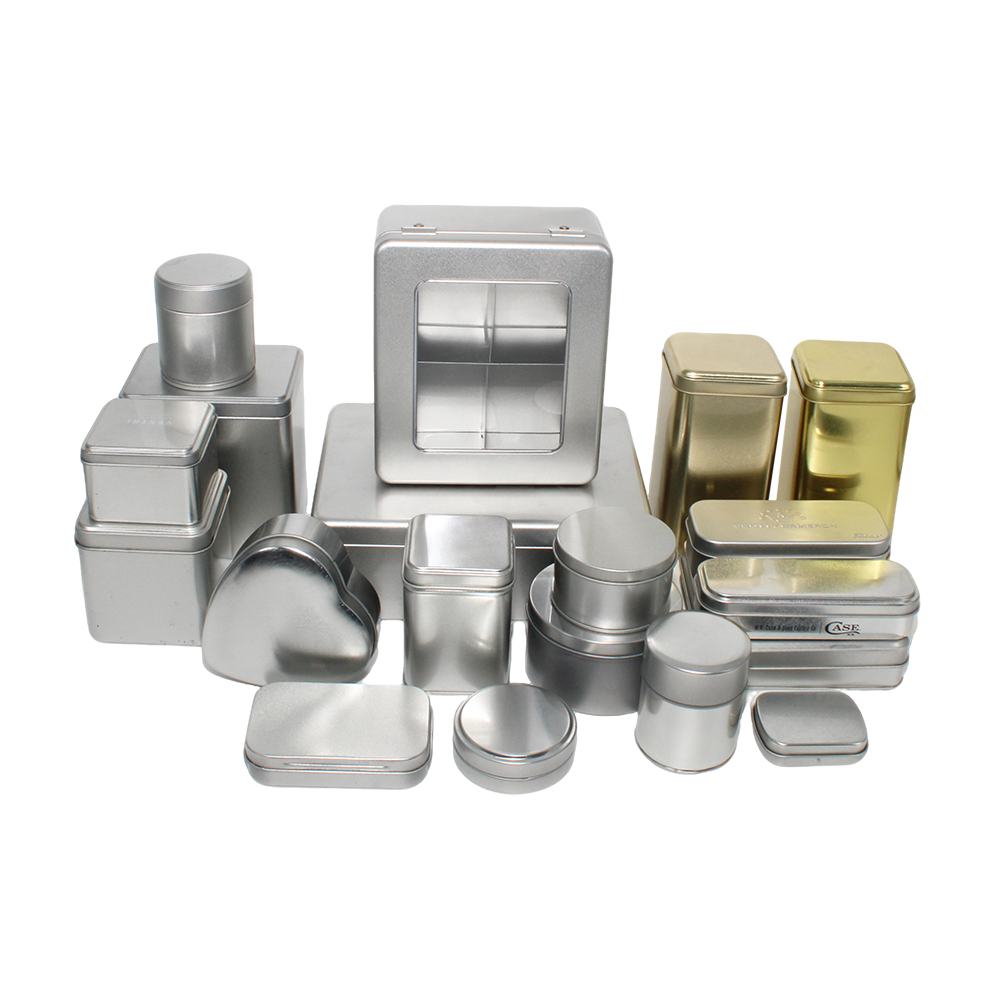
Metal Lunch Box Tins Experience Surge in Global Demand Amid Sustainability and Safety Trends
April 21, 2026 — The global market for metal lunch box tins is witnessing a significant upswing, driven by growing consumer demand for sustainable, safe, and versatile meal storage solutions. As environmental concerns mount and health awareness rises, these durable metal containers are displacing plastic alternatives, with industry data projecting robust growth in both consumer and commercial segments over the next five years.

Market Growth and Regional Dynamics
Recent industry reports indicate that the global metal lunch box tin market is valued at approximately USD 4.91 billion in 2026 and is expected to grow at a compound annual growth rate (CAGR) of 4.5% through 2035, reaching USD 7.32 billion by the end of the forecast period. This growth is fueled primarily by the Asia-Pacific region, which is projected to account for over 42% of the global market share, with China leading as both the world’s largest producer and consumer of metal lunch box tins.
In 2024 alone, more than 120 million lunch boxes were sold globally, with metal variants—predominantly stainless steel—accounting for 45% of total sales. North America and Europe also contribute significantly to demand, with metal lunch box tins holding 52% of the market share in these regions, driven by strict environmental regulations and consumer preference for long-lasting products. Emerging markets in Southeast Asia, such as Vietnam and Indonesia, are emerging as growth hotspots, with annual demand growth expected to exceed 10%. Consumer demographics also play a key role in regional demand: in China, the core consumer group for metal lunch box tins is 25-40-year-olds, accounting for 65% of total purchases, while in the U.S., brands like Yeti have gained popularity with their insulated metal lunch boxes, including the top-rated Yeti Day Trip 5L Insulated Lunch Box, which holds a 10.0 score based on 1,311 consumer reviews. Additionally, urban white-collar workers and parents of young children are the primary buyers in most markets, with 73.8% of white-collar workers reporting they bring lunch to work at least three times a week, driving steady demand for portable, durable metal containers.

Key Drivers: Sustainability, Safety, and Versatility
The resurgence of metal lunch box tins is closely tied to three core consumer priorities, each addressing key user needs:
-
Environmental Sustainability: Consumers and businesses are increasingly focused on reducing single-use plastic waste, and metal lunch box tins offer a reusable, recyclable alternative with an average lifespan of over five years.
-
Food Safety: High-grade stainless steel (304 or 316 grade) is non-reactive, BPA-free, and does not leach harmful chemicals into food, even when exposed to heat or acidic ingredients.
-
Functional Versatility: Manufacturers are innovating designs to cater to diverse lifestyles, making metal lunch boxes adaptable to different user scenarios.
Sustainability has become a defining factor, as consumers and businesses alike seek to reduce single-use plastic waste. Unlike disposable plastic containers, metal lunch box tins offer key eco-friendly advantages:
-
Durability & Reusability: Built to last for over five years, they eliminate the need for frequent replacement, reducing overall waste.
-
Recyclability: Tinplate is fully recyclable, and leading manufacturers are adopting closed-loop recycling systems, with some top firms achieving 100% recovery of production waste.
-
Eco-Friendly Production: Companies like Qingdao Jinwang Metal Packaging Co., Ltd. use water-based inks and low-energy production processes to minimize environmental impact, aligning with international eco-standards.
-
Regulatory Compliance: Global regulations (e.g., the EU’s 2024 Packaging and Packaging Waste Regulation, China’s “14th Five-Year Plan for Plastic Pollution Control”) are driving the adoption of greener production practices industry-wide.
A 2024 survey by the China Nutrition Society found that 78.3% of respondents are willing to pay more for food-grade metal lunch boxes, reflecting a growing willingness to prioritize sustainability and safety over cost.
Food safety is another critical driver, building on the core priority highlighted earlier. High-grade stainless steel—commonly 304 or 316 grade—used in metal lunch box tins is non-reactive, BPA-free, and does not leach harmful chemicals into food, even when exposed to heat or acidic ingredients. This stands in contrast to plastic containers, which may contain additives like BPA or its substitutes that pose potential health risks. A 2022 study published in the Journal of Food Protection found that vacuum-insulated metal lunch boxes also outperform plastic alternatives in temperature control, keeping cold meals below the 4°C “danger zone” for up to 7 hours, reducing the risk of foodborne illness.
Versatility is further boosting demand, with manufacturers innovating designs to solve real pain points for readers, blending functionality with user-centric features. Product options now include modular, stackable multi-tier systems that can be customized based on meal size—perfect for office workers who need a compact lunch box for one, or families packing meals for multiple people. Compartmentalized layouts with removable dividers let users separate proteins, grains, and veggies easily, avoiding messy food mixing—a huge relief for parents prepping balanced meals for kids, or office workers wanting to keep their salad and dressing separate. Lid innovations also address a common frustration: airtight metal clips and eco-friendly bamboo lids with silicone gaskets prevent leaks, so users can toss the lunch box into a backpack or tote without worrying about spills ruining their belongings. Sizes range from small 300ml tins for snacks (ideal for students or afternoon pick-me-ups) to large 1600ml+ containers for outdoor enthusiasts or family meals, ensuring a fit for every need. Manufacturers are also tailoring these design innovations to specific consumer groups: for Gen Z, who values aesthetics and social media appeal, “ins-style” designs, IP collaborations (e.g., with popular cartoon characters or influencers), and customizable color palettes are gaining traction—related content on Xiaohongshu (Little Red Book) saw a 127% year-on-year increase in engagement, as young users share their personalized lunch boxes online. For flexible workers like ride-hailing drivers and food delivery riders, insulated metal lunch boxes with shock-resistant exteriors and easy-to-carry handles are particularly popular, accounting for 38.5% of their meal storage purchases—they’re durable enough to withstand daily commotion, while superior temperature retention keeps meals hot or cold for hours. Meanwhile, high-end catering brands and corporate clients are turning to customized metal lunch boxes with innovative finishes—such as antique patinas or metallic sheens—for gifting and branding, with manufacturers like Dongguan Jingli Can Making Co., Ltd.—a leading global supplier serving Fortune 500 companies such as Mars Wrigley and Nestlé—offering end-to-end customization from design to production, laying the groundwork for the advanced innovations detailed in the following section.

Industry Innovations and Market Trends
To stay competitive, manufacturers are doubling down on product innovation and customization—key differentiators reshaping the market—with a sharp focus on solving readers’ daily inconveniences. Building on the user-centric design innovations highlighted earlier, cutting-edge customization technologies are becoming mainstream, with leading manufacturers offering three core upgrades:
-
Proprietary Texturing Technologies: Dongguan Jingli Can Making Co., Ltd.—a global leader with six production bases and a daily output of over 8 million units—has pioneered 3D embossing and tactile coating. These create textured surfaces (e.g., matte sandblasted, hammered finishes) that enhance grip, preventing slips even when wet, while boosting aesthetic appeal.
-
Multi-Material Integration: Combining food-grade tinplate with sustainable bamboo lids or heat-resistant glass compartments, manufacturers cater to high-end consumers seeking both functionality and eco-luxury. For example, Dongguan Jingli’s collaboration with Mars Wrigley produced custom tins with embossed logos and bamboo dividers, ideal for corporate gifting.
-
Safety & Convenience Upgrades: Zhejiang Hualian Metal Container Co., Ltd. uses FDA-certified tinplate with a non-stick interior coating, eliminating the hassle of scrubbing stuck food—a major time-saver for busy parents and office workers.
Retro-inspired designs are also getting a modern twist: manufacturers reimagine mid-20th century metal lunch boxes, retaining their classic nostalgic charm while adding silicone leak-proof seals and vacuum insulation—blending vintage aesthetics with modern practicality.
Technological advancements are driving a new wave of innovation, complementing design and customization progress with smart, user-friendly features that solve longstanding pain points. Key tech upgrades include:
-
Intelligent Temperature Control: Chinese tech-startup GreenBox Tech’s new model integrates a built-in temperature sensor synced to a mobile app, alerting users when meals fall outside the safe range (below 4°C for cold food, above 60°C for hot food). This eliminates the need for repeated lid checks, a major convenience for busy office workers.
-
Lightweight Design: Since 2018, manufacturers have reduced average metal lunch box weight by 15% using high-strength, thin-gauge tinplate and optimized structures—addressing the common complaint of “traditional metal boxes being too heavy” for daily carry.
-
Enhanced Insulation: Advanced vacuum-sealed double-wall construction extends temperature retention by 30%—keeping cold meals below 4°C for up to 10 hours and hot meals above 65°C for 8 hours, ideal for parents, flexible workers, and outdoor enthusiasts.
Though smart lunch boxes currently have a market penetration of less than 3%, they are growing at a 25% annual rate, particularly popular among tech-savvy millennials and remote workers. These upgrades are not just gimmicks—they are tailored to solve the daily frustrations readers face with meal storage.
The industry is also witnessing a shift in distribution channels, with e-commerce sales accounting for 29% of total metal lunch box tin sales in 2023, up from 18% in 2020. This trend is expected to continue, with online sales projected to exceed 35% by 2025 as consumers increasingly prefer the convenience of digital shopping.

Challenges and Future Outlook
Despite strong growth, the metal lunch box tin industry faces three key challenges:
-
Fluctuating Raw Material Prices: Tin and stainless steel costs have been volatile (e.g., tinplate prices rose 23.5% in 2022), creating cost pressures for manufacturers.
-
Supply Chain Disruptions: Extreme weather events and global logistics issues continue to pose risks, though industry consolidation and raw material reserves are helping mitigate these challenges.
-
Competition from Alternative Materials: Reinforced glass and degradable plant fiber containers hold 11.2% and a growing share of the meal storage market, respectively—though metal’s durability and portability keep it ahead in the portable segment.
Large manufacturers like Shanghai Baosteel Packaging Co., Ltd.—a subsidiary of China Baowu Steel Group—stabilize costs by sourcing tinplate directly from parent companies, while smaller firms like Foshan Nanhai Huada Metal Products Factory focus on flexible small-batch production to maintain competitiveness.
Looking ahead, the future remains bright for metal lunch box tins, with innovation continuing to drive market expansion—building on the design, customization, and technological advancements already transforming the industry. Key future trends include:
-
Next-Generation Innovation: Manufacturers are exploring microwave-safe metal lunch boxes (eliminating the need to transfer food) and compostable metal coatings to further reduce environmental impact.
-
Growing Demand in Lower-Tier Markets: Per capita spending on lunch boxes is rising rapidly in lower-tier cities, driven by urbanization and increasing health awareness.
-
New Application Scenarios: High-end restaurants and office canteens are adopting innovative metal lunch boxes for meal delivery and corporate programs, aligning with their sustainability goals.
By 2030, industry experts predict that metal lunch box tins will account for over 60% of the reusable meal storage market, as plastic alternatives continue to be phased out by regulations and consumer choice—with innovation that solves real user problems remaining the core driver of growth.
“Metal lunch box tins are no longer just functional containers—they are a reflection of consumers’ values, blending sustainability, safety, and style,” said an industry analyst. “As global regulations become stricter and consumer preferences evolve, we anticipate continued innovation—from smarter features that save time, to more eco-friendly designs that reduce waste, to aesthetic upgrades that make daily meal prep feel like a pleasure—that will keep this segment growing for years to come.”

Printed Tin Cans Industry Booms: Driven by Technology Upgrade, Sustainability Demand and Premiumization Trend
Tin Box Packing: The Sustainable, Durable & Versatile Packaging Solution Leading 2026 Industry Trends
Related Article
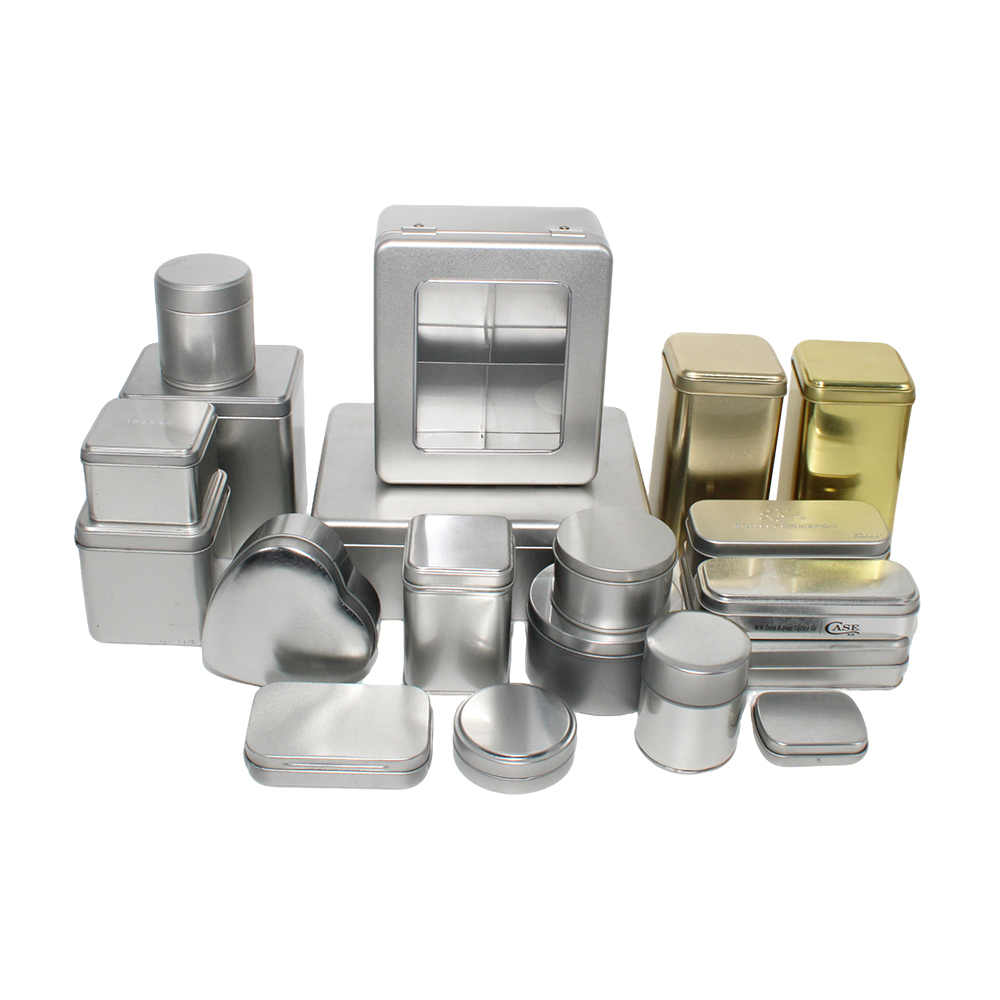
Amid growing public focus on household waste sorting, whether tin cans can be properly recycled has become one of the most searched environmental questions worldwide. Latest industry reports confirm that tin cans are infinitely recyclable, yet inconsistent disposal habits continue to hold back global recycling performance. Environmental authorities and metal producers are stepping up public education to improve metal waste utilization this year.
Are Tin Cans Recyclable? Global Recycling Data and Sustainable Insights in 2026

Amid the prevalence of single-use plastic packaging and fleeting snack trends, tin can cookies have secured a solid foothold in the global baked snack market. Featuring sturdy metallic packaging, diverse flavors, nostalgic value and eco-friendly properties, these classic confections have won popularity across age groups, reshaping the competitive landscape of the confectionery industry.
Tin Can Cookies Make a Sustainable Comeback in Global Snack Markets
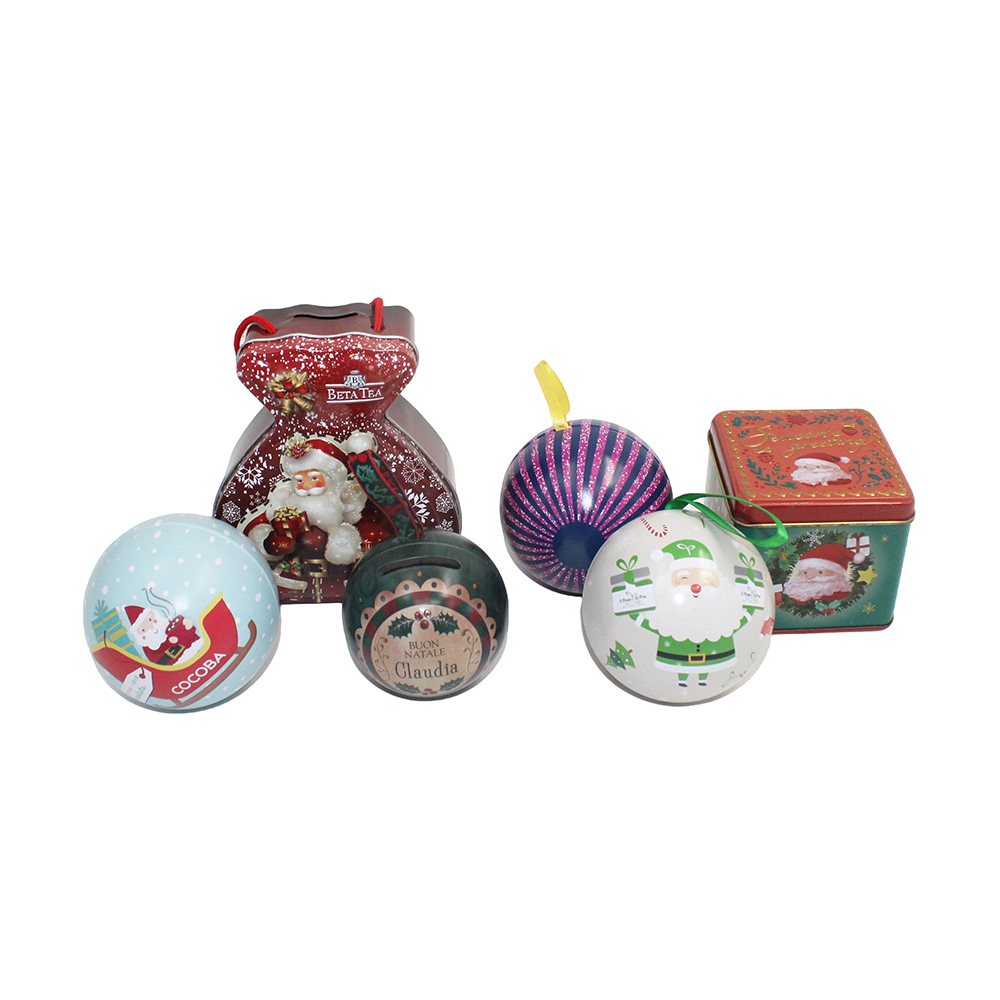
As the annual Christmas shopping season officially kicks off, festive packaging has become one of the best-selling consumer goods in major supermarkets and gift stores. Among these seasonal items, Christmas tin can products have seen a sharp increase in sales, gradually replacing traditional paper gift boxes and plastic packaging. Industry analysts point out that durability, recyclability and exquisite festive designs are the three core drivers behind this year’s consumption boom.
Christmas Tin Cans Gain Huge Popularity in This Year’s Holiday Consumer Market
The global chewing gum industry is undergoing a notable packaging transformation, with gum in tin can rapidly emerging as a mainstream consumer choice. Amid growing demand for portable, eco-friendly, and premium daily snacks, traditionally plastic-packaged chewing gum is gradually losing market share, while tin-can packaged gum has gained immense popularity among young consumers and health-conscious buyers.
Tin Can Takeover: How Premium Packaged Gum Is Transforming the Global Confectionery Market