
Metal Pencil Box: History, Evolution, Popularity and Eco‑friendly Value
author: Estelle
2026-04-08
Metal Pencil Box: History, Evolution, Popularity and Eco‑friendly Value
April 8, 2026 | Global Stationery News

The metal pencil box, a timeless stationery staple, has evolved from a simple storage tool to a durable, stylish and sustainable essential. Rooted in long history, diversified in design, widely popular across generations and increasingly favored for environmental benefits, it continues to hold a firm place in classrooms, offices and daily life worldwide.
Origins: A Legacy of Practicality Since the 19th Century
The earliest metal pencil cases date back to the mid‑1800s, initially used by explorers, scholars and office workers to protect pencil leads and writing tools. Surviving relics, such as a German silver pencil case from the 1845 British Arctic expedition, confirm metal cases were valued for sturdiness in harsh conditions. Mass production emerged in the early 20th century, with tinplate and lightweight metal becoming mainstream materials. Before plastic dominated the market, metal pencil boxes were standard for students and professionals, prized for drop resistance and long service life. Their simple, solid structure laid the foundation for decades of use.

Style Evolution: From Basic Tins to Versatile Designs
Over the past century, metal pencil boxes have undergone dramatic design upgrades. Early models were plain rectangular tins with basic lids, focusing only on protection. From the 1970s to 1990s, pop‑up mechanisms, dual‑sided openings, built‑in sharpeners and detachable compartments became popular, turning metal cases into multi‑functional “stationery workstations”. Cartoon prints, embossed patterns and branded graphics turned them into fashion items for young users.
Today’s designs balance simplicity and function. Lightweight aluminum, matte brushed metal and recycled tinplate dominate. Options include slim single‑layer cases, foldable multi‑compartment organizers, magnetic‑closure boxes and customizable models for gifts and corporate use. Minimalist styles suit office adults, while colorful printed versions remain popular among students, proving strong adaptability to changing tastes.
Brand Cases & Design InnovationGlobal leaders have driven design upgrades with patented structures and licensed collaborations. Faber‑Castell launched recyclable aluminum pencil boxes with anti‑scratch coating and built‑in ruler slots, targeting student and premium office segments. STAEDTLER integrated metal storage with its drawing tool sets, emphasizing durability and portability. In China, M&G Chenguang releases over 200 new metal pencil box models annually, featuring cartoon IPs, embossed craft and magnetic closures; its products have won iF and Red Dot design awards, with annual sales exceeding 30 million units. Deli focuses on multi‑layer metal boxes with removable dividers, widely used in school bulk procurement and corporate gifts.

Popularity: Steady Demand Across Ages and Regions
Metal pencil boxes maintain steady global popularity, especially in Asia, Europe and North America. For students, they offer better protection than soft cases and avoid breakage better than many plastic alternatives. For adults, metal cases deliver a premium, neat look ideal for desks and business bags.
Industry Data & Market PerformanceAccording to 2026 stationery industry reports, the global rigid pencil case market reaches approximately $2.05 billion, with metal pencil boxes accounting for 21%–23% of the segment. In China, the metal stationery storage sector grows at a 6.8% CAGR, with annual output exceeding 420 million pieces. E‑commerce channels contribute over 47% of total sales, driven by personalized customization and school bulk orders. Metal pencil boxes show a 32% lower replacement rate than plastic cases, making them preferred by education institutions and corporate buyers.

Eco‑friendly Edge: Recyclable and Sustainable Choice
As sustainability becomes a core consumer concern, metal pencil boxes stand out as an eco‑responsible alternative. Metal is 100% recyclable without quality loss, unlike plastic that generates micro‑waste and long‑term pollution. Many manufacturers now use recycled aluminum and tinplate, reducing carbon footprints and resource consumption.
Sustainability Data & Green PracticesIndustry data shows recycled aluminum production cuts carbon emissions by 95% compared with primary aluminum. Major suppliers adopt 30%–50% recycled metal materials, paired with non‑toxic powder coating and plastic‑free packaging. Metal pencil boxes typically last 3–5 years, 80% longer than ordinary plastic boxes, significantly reducing waste generation. Green stationery sales grew 27% in 2025, with metal storage as one of the top three eco‑friendly categories.

Outlook
Combining historical heritage, diverse design, wide popularity and strong sustainability, the metal pencil box is more than a stationery item—it is a symbol of durable, thoughtful daily goods. As design innovation and green production advance, it will continue to evolve and stay essential for users of all ages worldwide.
Tea Tin Can Gains Traction as Premium, Sustainable Packaging Choice Amid Global Tea Industry Growth
what containers can be used for candles
Related Article
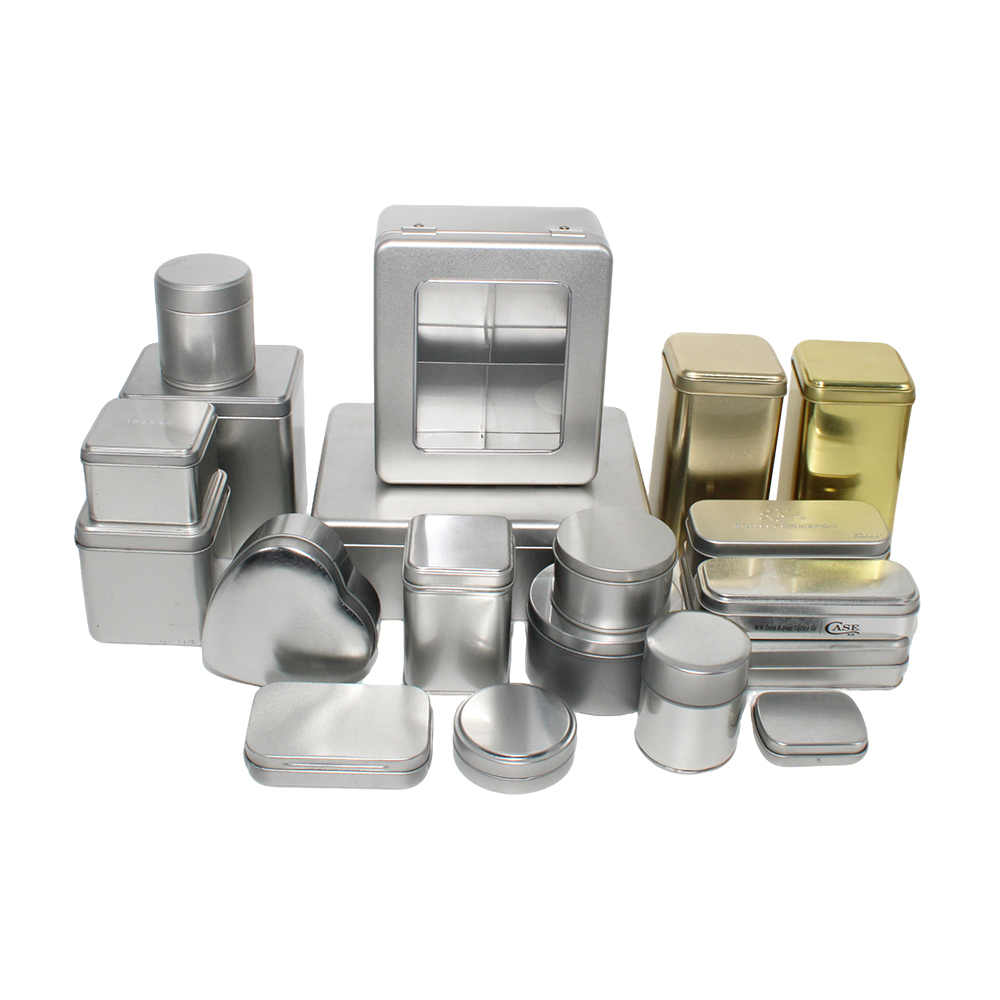
Amid growing public focus on household waste sorting, whether tin cans can be properly recycled has become one of the most searched environmental questions worldwide. Latest industry reports confirm that tin cans are infinitely recyclable, yet inconsistent disposal habits continue to hold back global recycling performance. Environmental authorities and metal producers are stepping up public education to improve metal waste utilization this year.
Are Tin Cans Recyclable? Global Recycling Data and Sustainable Insights in 2026

Amid the prevalence of single-use plastic packaging and fleeting snack trends, tin can cookies have secured a solid foothold in the global baked snack market. Featuring sturdy metallic packaging, diverse flavors, nostalgic value and eco-friendly properties, these classic confections have won popularity across age groups, reshaping the competitive landscape of the confectionery industry.
Tin Can Cookies Make a Sustainable Comeback in Global Snack Markets
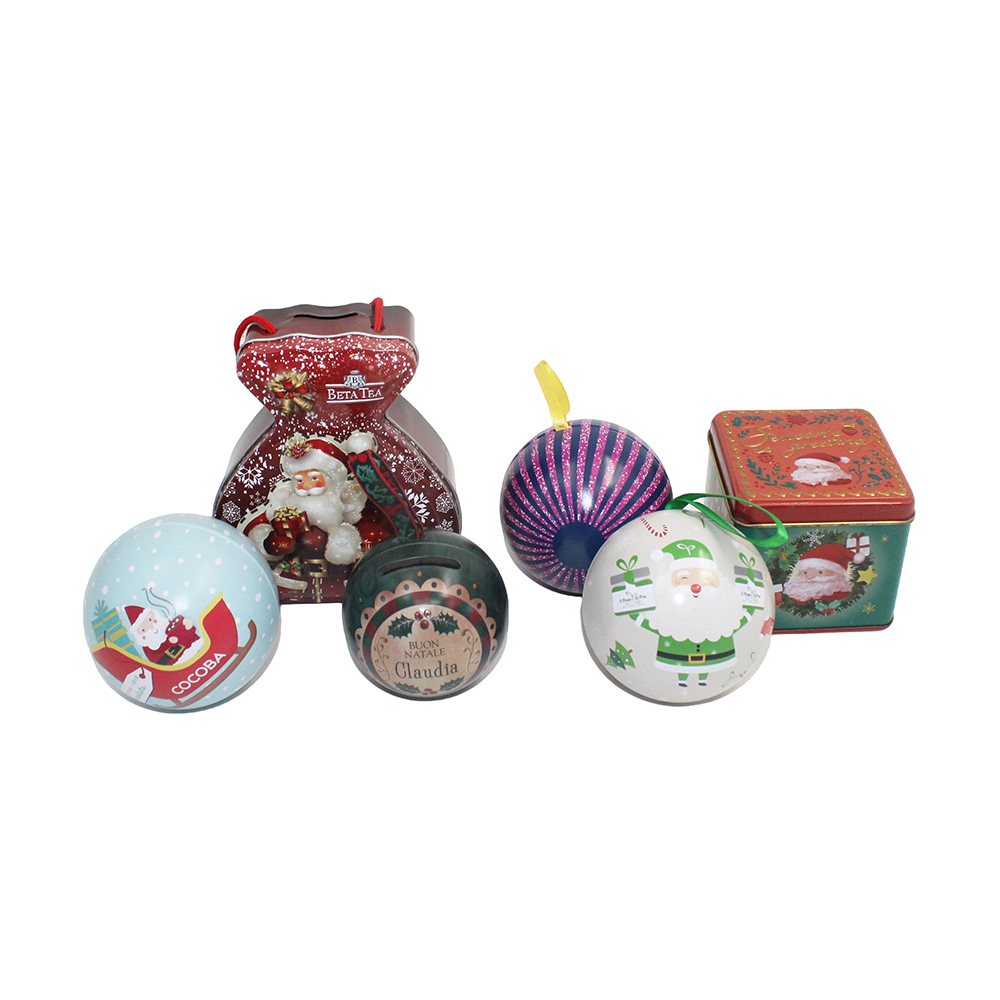
As the annual Christmas shopping season officially kicks off, festive packaging has become one of the best-selling consumer goods in major supermarkets and gift stores. Among these seasonal items, Christmas tin can products have seen a sharp increase in sales, gradually replacing traditional paper gift boxes and plastic packaging. Industry analysts point out that durability, recyclability and exquisite festive designs are the three core drivers behind this year’s consumption boom.
Christmas Tin Cans Gain Huge Popularity in This Year’s Holiday Consumer Market
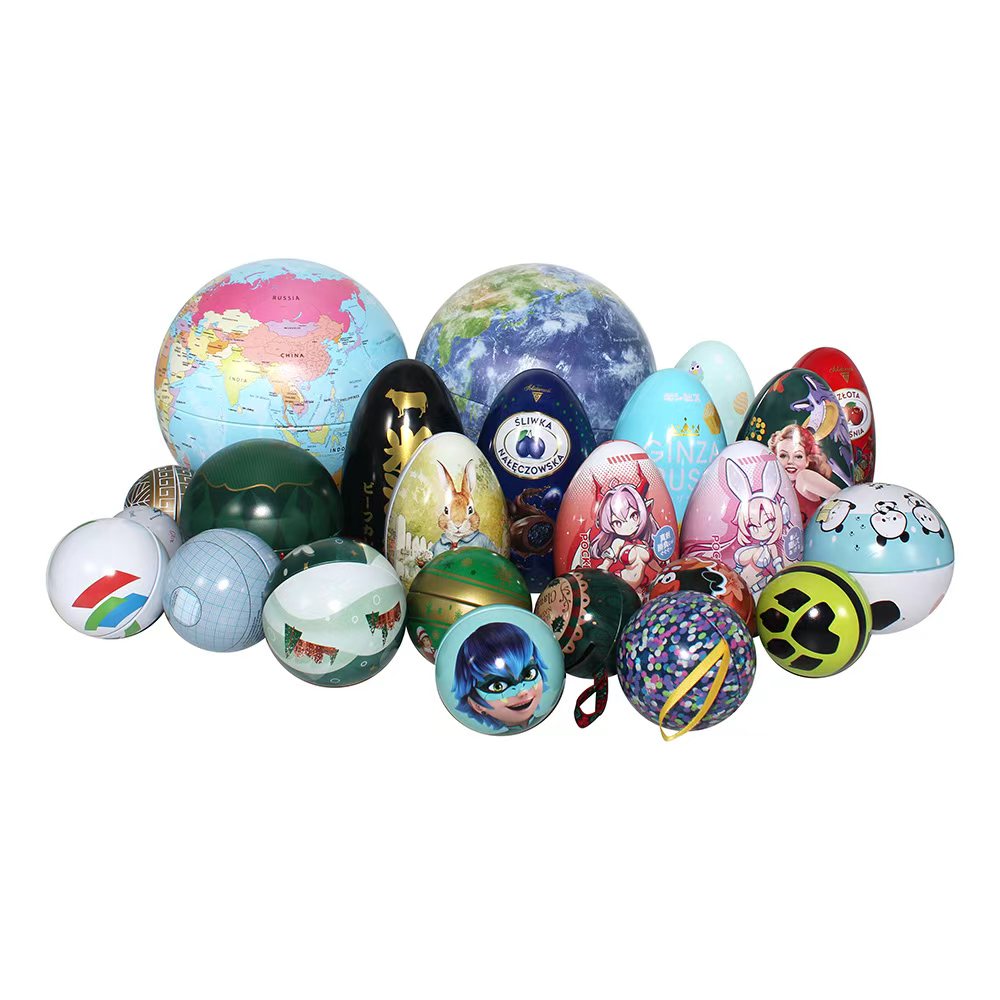
The global chewing gum industry is undergoing a notable packaging transformation, with gum in tin can rapidly emerging as a mainstream consumer choice. Amid growing demand for portable, eco-friendly, and premium daily snacks, traditionally plastic-packaged chewing gum is gradually losing market share, while tin-can packaged gum has gained immense popularity among young consumers and health-conscious buyers.
Tin Can Takeover: How Premium Packaged Gum Is Transforming the Global Confectionery Market