
Metal Tin Storage Boxes Witness Surging Global Demand Amid Sustainability and Premium Packaging Trends in 2026
author: Estelle
2026-04-27

Metal Tin Storage Boxes Witness Surging Global Demand Amid Sustainability and Premium Packaging Trends in 2026
GLOBAL, April 27, 2026 — Tightening global plastic regulations, booming green consumption trends, and widespread upgrades in premium commercial packaging have collectively propelled metal tin storage boxes into a high-growth, sustainable packaging and storage solution in 2026. Renowned for exceptional recyclability, reliable airtight performance, and long-term structural durability, tin containers are steadily replacing single-use plastic and disposable paper packaging across the food, personal care, pharmaceutical, gifting, and residential storage sectors. The industry continues to expand its global footprint, supported by pervasive technological advancements and optimized cross-border supply chain layouts.

Growing Market Scale with Steady Annual Growth Momentum
Global industrial data points to sustained and robust growth for the metal tin storage box market, with a 5.5% compound annual growth rate (CAGR) projected through 2033. The market’s steady expansion is driven by two core forces: commercial brands’ strategic shift toward high-grade, reusable packaging systems, and growing consumer demand for refined, long-lasting household storage products.
Global regional markets demonstrate distinct tiered demand characteristics. Europe and North America remain the core consumption hubs, where stringent single-use plastic bans have pushed year-on-year import growth of metal tin products above 12% in 2026. The Asia-Pacific region stands out as the industry’s fastest-growing emerging market, with thriving cross-border e-commerce and domestic consumption upgrades fueling strong demand for compact, portable, and multi-functional customizable tin storage products. In contrast, markets across the Middle East and Latin America favor large-capacity, high-spec tin boxes for luxury gifting purposes, forming a well-segmented and diversified global market ecosystem.

Core Sustainability Advantages Drive Industry Popularity
Sustainability serves as the core competitive advantage of metal tin storage boxes amid the global low-carbon economic transition. Independent industrial verification confirms that reusable tin storage containers reduce overall carbon footprints by 68% compared with conventional disposable plastic and paper packaging, effectively cutting down industrial and domestic packaging waste and preserving limited natural resources.
Tinplate containers outperform traditional packaging materials in comprehensive practical performance. Plastic packaging tends to deform, degrade, and produce chemical leachate under high-temperature and humid environments, while paper packaging fails to deliver stable moisture and dust resistance for long-term storage. Food-grade tinplate, by contrast, features infinite recyclability, superior airtightness, outstanding corrosion resistance, and solid structural rigidity. It effectively shields food, cosmetics, and delicate small items from moisture, oxygen, and dust-induced deterioration over extended storage cycles. Its recyclable and cost-effective circular model also helps enterprises lower long-term packaging costs and comply with international circular economy standards.

Extended Application Scenarios and Enhanced Circular Usage Value
Metal tin storage boxes have evolved far beyond basic packaging functions, transforming into high-value, multi-scenario reusable assets with remarkable circular economic value. Across commercial sectors, premium food, healthcare, and beauty brands are progressively phasing out composite paper and plastic packaging in favor of customized tin boxes to elevate product grading and strengthen brand premium value.
A targeted consumer survey on European premium snack brands shows that over 60% of consumers repurpose purchased tin boxes for daily household organization, including the storage of tea, baking materials, stationery, jewelry, and miscellaneous small items. This post-consumer reuse mechanism extends product lifecycles, improves resource utilization efficiency, and solidifies brands’ eco-friendly, high-end market positioning.
For individual consumers, tin storage boxes solve long-standing pain points of fragility, perishability, and disorder associated with traditional plastic and paper storage tools. A full-spectrum product lineup, including airtight fresh-keeping tins, portable travel tins, and stackable classified storage tins, fully caters to household, office, and outdoor storage demands, establishing tin boxes as a mainstream choice for modern refined living scenarios.

Technological Innovation and Customization Upgrade Industrial Competitiveness
The 2026 global metal tin storage box industry is undergoing profound structural upgrading, shifting from extensive mass production of generic products to refined, customizable, and intelligent manufacturing. Leading manufacturers have optimized production processes to minimize material waste and product defects, achieving stable, high-efficiency standardized production outputs.
Current product development focuses on minimalist, texture-oriented design, abandoning outdated and exaggerated styling. Premium surface treatments such as matte frosting, embossing, and hot stamping have become mainstream design elements. Customized services covering brand logo printing, dimensional adjustment, pattern customization, and internal partition configuration are now standard industry offerings. Equipped with automated stamping and eco-friendly ink printing technologies, manufacturers effectively reduce production energy consumption and material loss, realizing dual upgrades in product quality and green manufacturing capacity.

Supply Chain Optimization and Market Challenges
Despite its robust growth momentum, the industry faces notable structural headwinds. In 2026, fluctuating international tinplate raw material prices and rising global logistics costs have squeezed profit margins for small and medium-sized manufacturers. Meanwhile, low-end homogeneous products with inferior craftsmanship flood the mass market, triggering vicious price competition and damaging the overall reputation of the metal tin storage box industry.
To address these industry challenges, leading enterprises have built stable upstream supply chain partnerships and adopted large-scale centralized production to cut unit production costs, focusing on high-end customized market segments to avoid low-end price competition. Industry associations are also promoting unified quality and environmental standards to standardize market operations and guide the high-quality, sustainable development of the sector.

Industry Outlook
Industry analysts hold a consistently bullish long-term outlook on the global metal tin storage box market. Strengthening global plastic control policies, rising public environmental awareness, and continuous premiumization of commercial packaging will jointly drive steady market penetration in the next decade. Future industrial innovation will focus on lightweight tinplate material optimization, intelligent anti-oxidation sealing technology, and multi-functional integrated design, with innovative products such as pressure-resistant outdoor storage tins and constant-temperature fresh-keeping tins set to expand the industry’s application boundaries.
As global circular economy systems continue to mature, reusable, low-carbon, high-value metal tin storage boxes will further replace traditional single-use packaging solutions. As essential green products for commercial packaging, household organization, and outdoor scenarios, the industry is poised to embrace sustained and expansive growth opportunities in the future market.

Tin Cans with Window: Innovative Packaging Gains Popularity Amid Market Upgrade and Green Trends
Tin Can Recycling Gains Global Momentum in 2026 Amid New Circular Economy Policies
Related Article
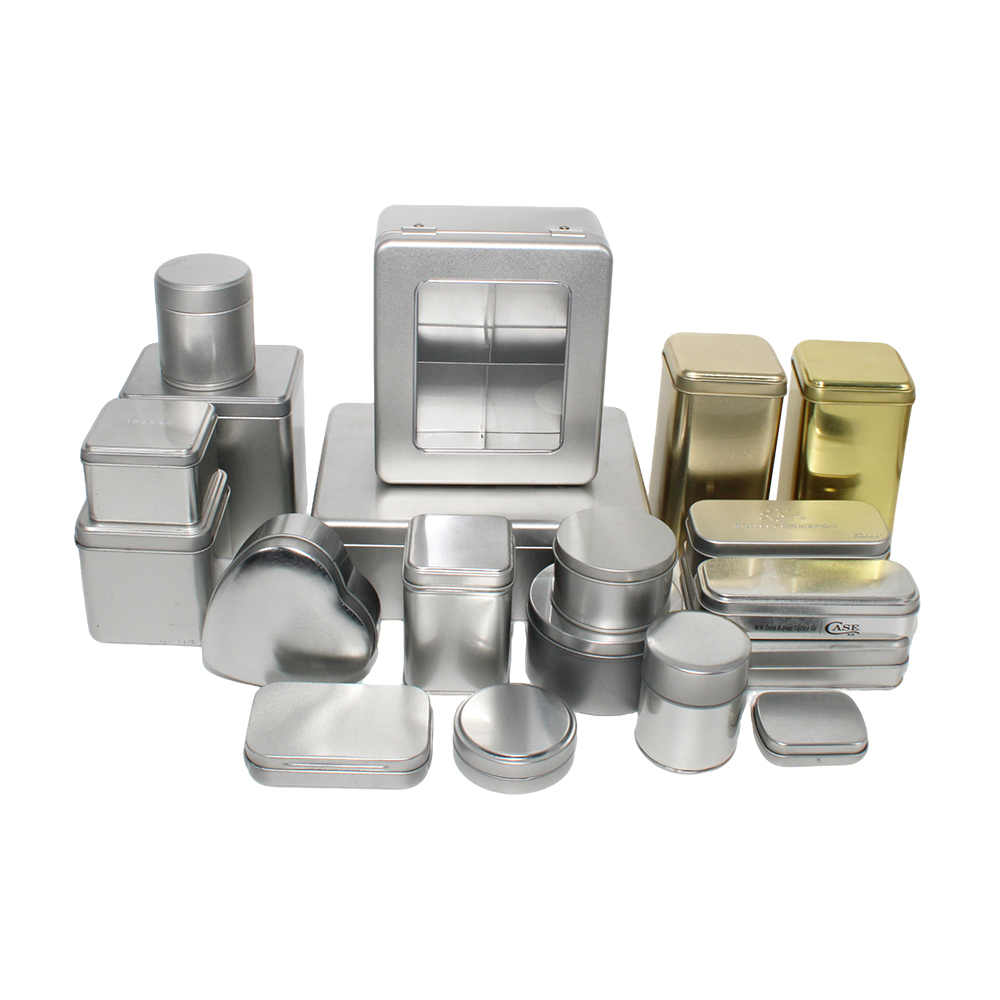
Amid growing public focus on household waste sorting, whether tin cans can be properly recycled has become one of the most searched environmental questions worldwide. Latest industry reports confirm that tin cans are infinitely recyclable, yet inconsistent disposal habits continue to hold back global recycling performance. Environmental authorities and metal producers are stepping up public education to improve metal waste utilization this year.
Are Tin Cans Recyclable? Global Recycling Data and Sustainable Insights in 2026

Amid the prevalence of single-use plastic packaging and fleeting snack trends, tin can cookies have secured a solid foothold in the global baked snack market. Featuring sturdy metallic packaging, diverse flavors, nostalgic value and eco-friendly properties, these classic confections have won popularity across age groups, reshaping the competitive landscape of the confectionery industry.
Tin Can Cookies Make a Sustainable Comeback in Global Snack Markets
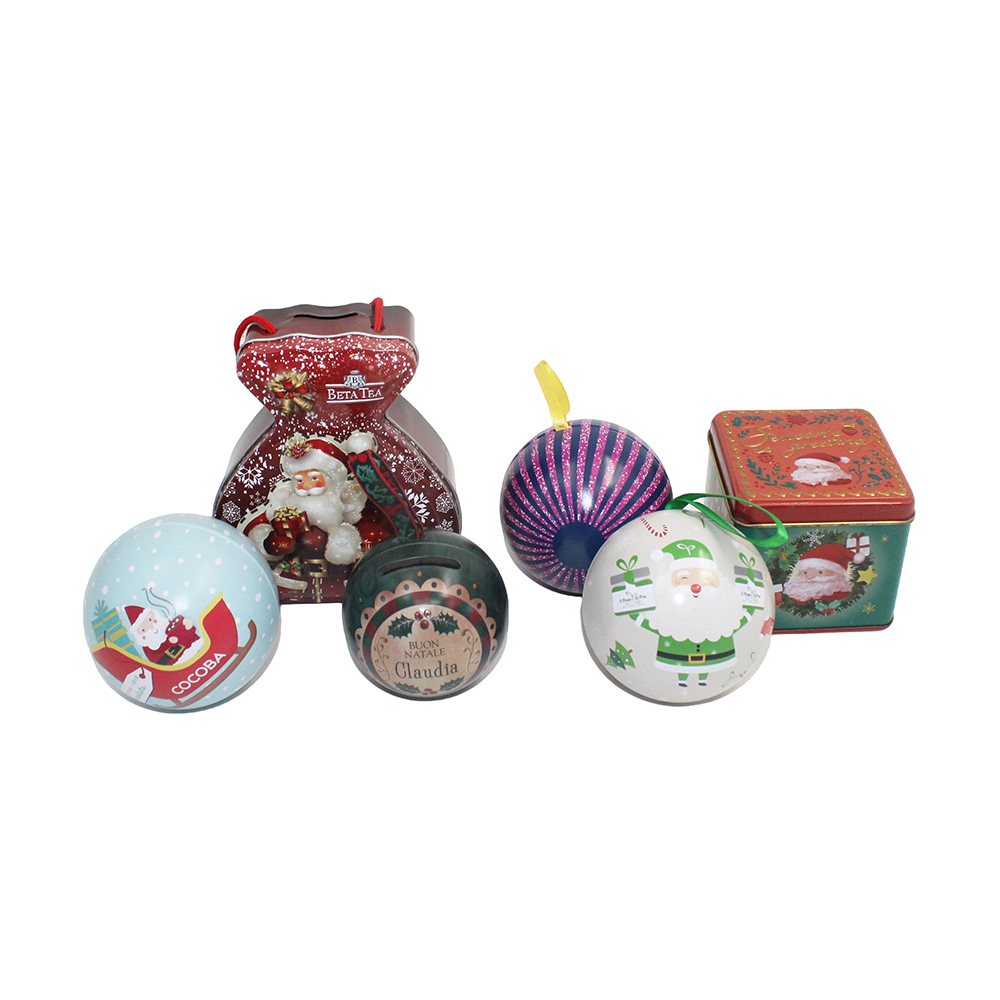
As the annual Christmas shopping season officially kicks off, festive packaging has become one of the best-selling consumer goods in major supermarkets and gift stores. Among these seasonal items, Christmas tin can products have seen a sharp increase in sales, gradually replacing traditional paper gift boxes and plastic packaging. Industry analysts point out that durability, recyclability and exquisite festive designs are the three core drivers behind this year’s consumption boom.
Christmas Tin Cans Gain Huge Popularity in This Year’s Holiday Consumer Market
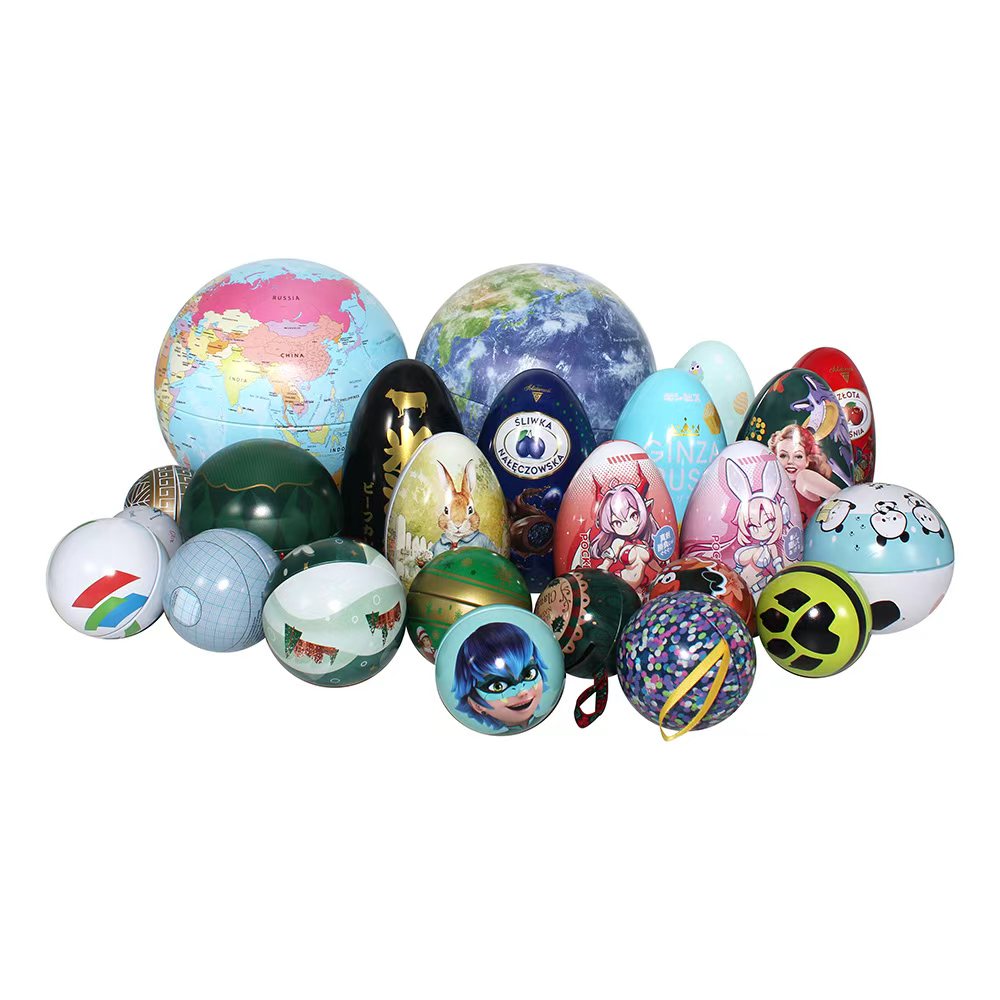
The global chewing gum industry is undergoing a notable packaging transformation, with gum in tin can rapidly emerging as a mainstream consumer choice. Amid growing demand for portable, eco-friendly, and premium daily snacks, traditionally plastic-packaged chewing gum is gradually losing market share, while tin-can packaged gum has gained immense popularity among young consumers and health-conscious buyers.
Tin Can Takeover: How Premium Packaged Gum Is Transforming the Global Confectionery Market