
Painting Tin Cans: The Upcycling Art Trend Taking Over Creative Communities
author: Estelle
2026-05-07
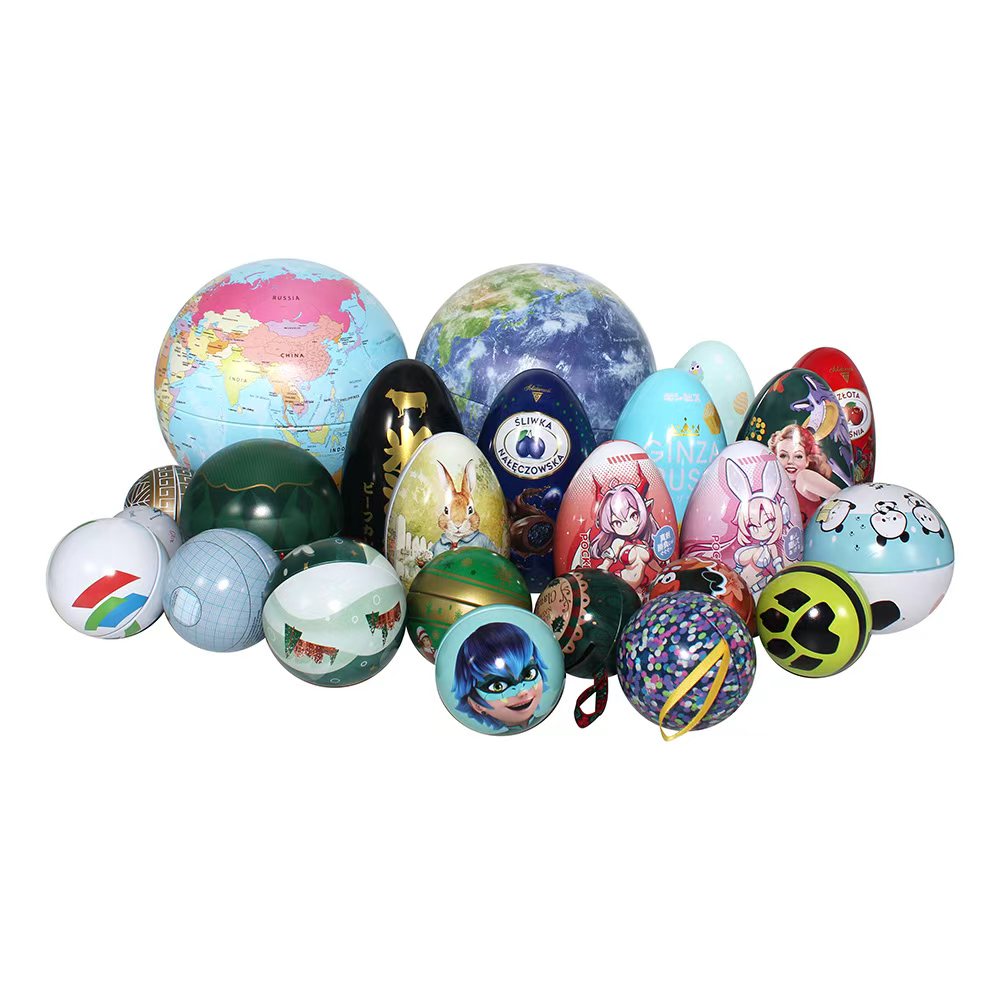
Painting Tin Cans: The Upcycling Art Trend Taking Over Creative Communities
By Creative Lifestyle Reporter
Date: May 7, 2026

A New Mainstream Sustainable Upcycling Trend
In 2026, tin can painting has evolved from a casual grassroots hobby into a mainstream upcycling phenomenon, gaining immense popularity in community art programs, social media spaces and global environmental initiatives. Rooted in the circular economy, this low-cost, highly inclusive creative practice unites artistic innovation, waste resource regeneration and public cultural participation. Appealing to all age groups, the trend has reshaped public low-carbon lifestyles and consumption patterns, establishing itself as a leading model of accessible sustainable public art.

Revalorizing Discarded Tin Containers
Used beverage tins, food-grade metal cans and lightweight industrial tin packaging are conventionally categorized as recyclable solid waste destined for industrial reprocessing. Nonetheless, the booming upcycling movement has unlocked untapped practical and aesthetic value from these discarded metal products. With basic crafting tools including acrylic paints, waterproof permanent markers and anti-corrosion varnish, creators can decorate tin surfaces with diverse styles, ranging from minimalist geometric designs and bionic natural patterns to themed illustrations and modern graffiti. Through systematic polishing, coloring and surface finishing, idle waste tins are transformed into functional daily storage items and refined decorative artworks, realizing effective resource regeneration while catering to contemporary public aesthetic demands.

High Accessibility and Widespread Popularity
The viral success of tin can painting is attributed to its exceptional accessibility and creative diversity. Unlike traditional fine arts that require professional training and high-cost equipment, this DIY craft accommodates creators of all proficiency levels. Novices can quickly master fundamental color matching and layout skills, while experienced practitioners can pioneer innovative techniques and stylistic expressions. Statistics from global lifestyle analytics show that relevant upcycling-themed hashtags accumulated over 4.2 billion views in the first half of 2026, representing a 280% year-on-year growth in public interaction. Propelled by vigorous online dissemination, tin can painting has secured its place as one of the most influential creative trends of the year.

Distinctive Environmental and Sustainable Values
Beyond aesthetic value, tin can painting delivers significant environmental advantages, closely aligning with the United Nations Sustainable Development Goals (SDGs). Environmental industry data reveals that although metal tins are theoretically recyclable, conventional industrial recycling and smelting processes entail substantial energy consumption and carbon emissions. Creative upcycling effectively extends the service lifespan of waste tin products, cutting down resource depletion and carbon footprints. To popularize sustainable living, municipal environmental authorities and non-profit organizations have launched standardized tin upcycling projects worldwide. These initiatives convert abstract low-carbon concepts into practicable daily habits, greatly promoting grassroots environmental governance and sustainable community development.

Beneficial Social and Psychological Effects
This innovative craft also generates measurable social and psychological benefits. Multiple art therapy studies verify that the focused, repetitive workflow of tin can painting relieves daily stress, alleviates sub-health anxiety, and improves personal concentration and perseverance. For adolescents, it acts as a practical educational activity to foster spatial imagination, hands-on capabilities and aesthetic literacy. For adult and elderly participants, community group creation offers valuable social opportunities and enriches residents’ spiritual life. Accordingly, tin can upcycling has been widely integrated into community public education and mental health intervention systems.
“Unlike casual entertainment, structured upcycling crafts such as tin can painting combine hands-on practice with mindful engagement, serving as a cost-effective solution for community mental health intervention and universal aesthetic education,” explained Dr. Lisa Howard, Senior Researcher at the Global Public Art and Wellness Research Institute. She added that the craft’s high inclusivity allows participants of all ages and social backgrounds to attain a strong sense of accomplishment, effectively enhancing public well-being and consolidating community cohesion.

Fueling Industrial and Consumption Upgrading
The upcycling boom has triggered profound structural changes in consumer preferences and upstream manufacturing industries. Market research indicates that modern consumers increasingly prioritize products with recyclable tin packaging, driving structural upgrades within the packaging sector. To meet surging DIY creative demands, numerous manufacturers have launched specialized paint-friendly, low-friction tin products tailored for upcycling creation, successfully capturing the fast-growing niche market.
“The popularity of tin can upcycling reflects a core shift in consumer values, moving away from material-oriented consumption toward sustainable, experience-driven lifestyle choices,” noted Jason Palmer, a senior circular economy industry analyst. He forecasts that the grassroots upcycling industry will maintain an annual compound growth rate of over 15% in the next three years, evolving into a comprehensive industrial ecosystem covering grassroots creation, social media dissemination and cultural derivative consumption.

Prospects of Grassroots Sustainable Public Art
As the divide between waste recycling and public art continues to narrow, tin can painting has evolved beyond a transient viral trend into a long-term sustainable socio-environmental practice. It seamlessly integrates circular economy development, public art popularization and mental health promotion, forming a unique grassroots lifestyle with profound ecological and social significance. By utilizing waste tin cans as low-cost creative carriers, the public can participate in artistic creation and environmental protection with minimal barriers, providing a replicable and scalable model for sustainable urban construction and low-carbon public life.

Tinplate Birthday Gift Boxes Lead the 2026 Global Gifting Packaging Trend
Custom Tin Cans Boom in 2026: Sustainability and Brand Personalization Drive Global Market Growth
Related Article

Amid growing public focus on household waste sorting, whether tin cans can be properly recycled has become one of the most searched environmental questions worldwide. Latest industry reports confirm that tin cans are infinitely recyclable, yet inconsistent disposal habits continue to hold back global recycling performance. Environmental authorities and metal producers are stepping up public education to improve metal waste utilization this year.
Are Tin Cans Recyclable? Global Recycling Data and Sustainable Insights in 2026

Amid the prevalence of single-use plastic packaging and fleeting snack trends, tin can cookies have secured a solid foothold in the global baked snack market. Featuring sturdy metallic packaging, diverse flavors, nostalgic value and eco-friendly properties, these classic confections have won popularity across age groups, reshaping the competitive landscape of the confectionery industry.
Tin Can Cookies Make a Sustainable Comeback in Global Snack Markets
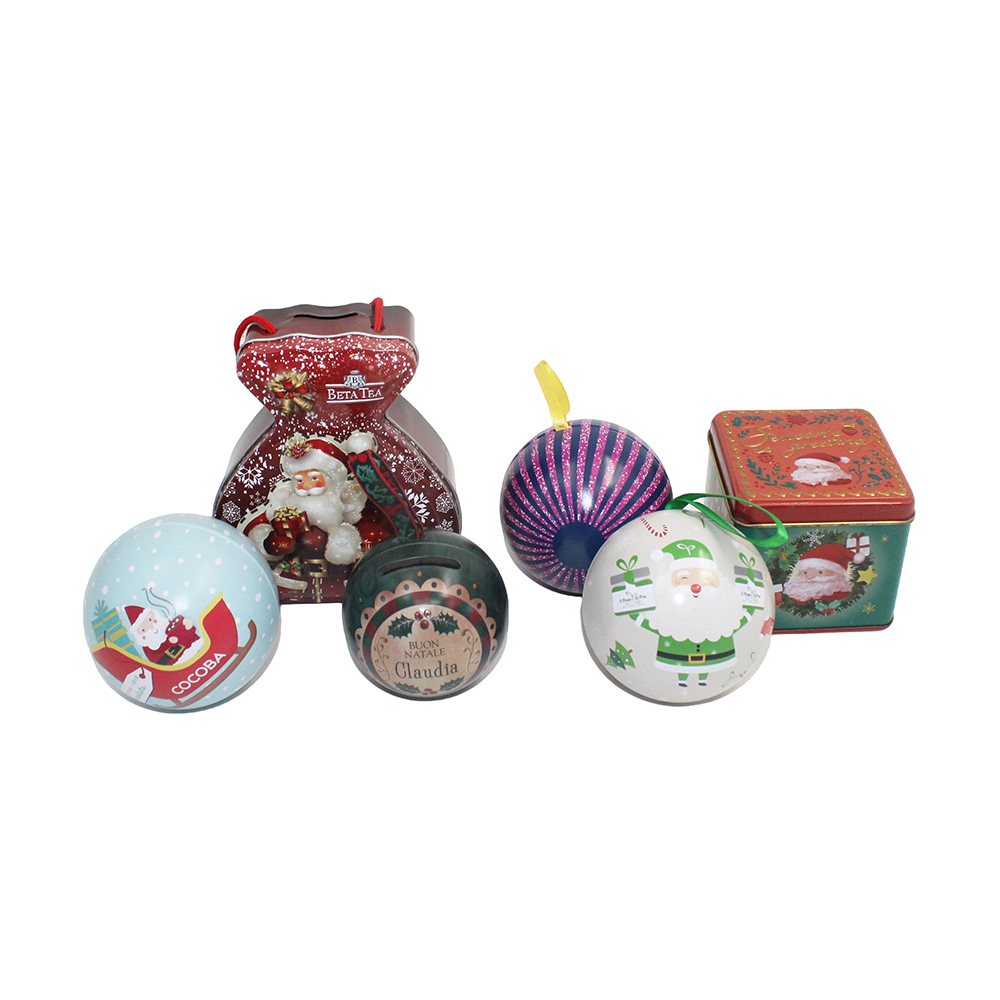
As the annual Christmas shopping season officially kicks off, festive packaging has become one of the best-selling consumer goods in major supermarkets and gift stores. Among these seasonal items, Christmas tin can products have seen a sharp increase in sales, gradually replacing traditional paper gift boxes and plastic packaging. Industry analysts point out that durability, recyclability and exquisite festive designs are the three core drivers behind this year’s consumption boom.
Christmas Tin Cans Gain Huge Popularity in This Year’s Holiday Consumer Market
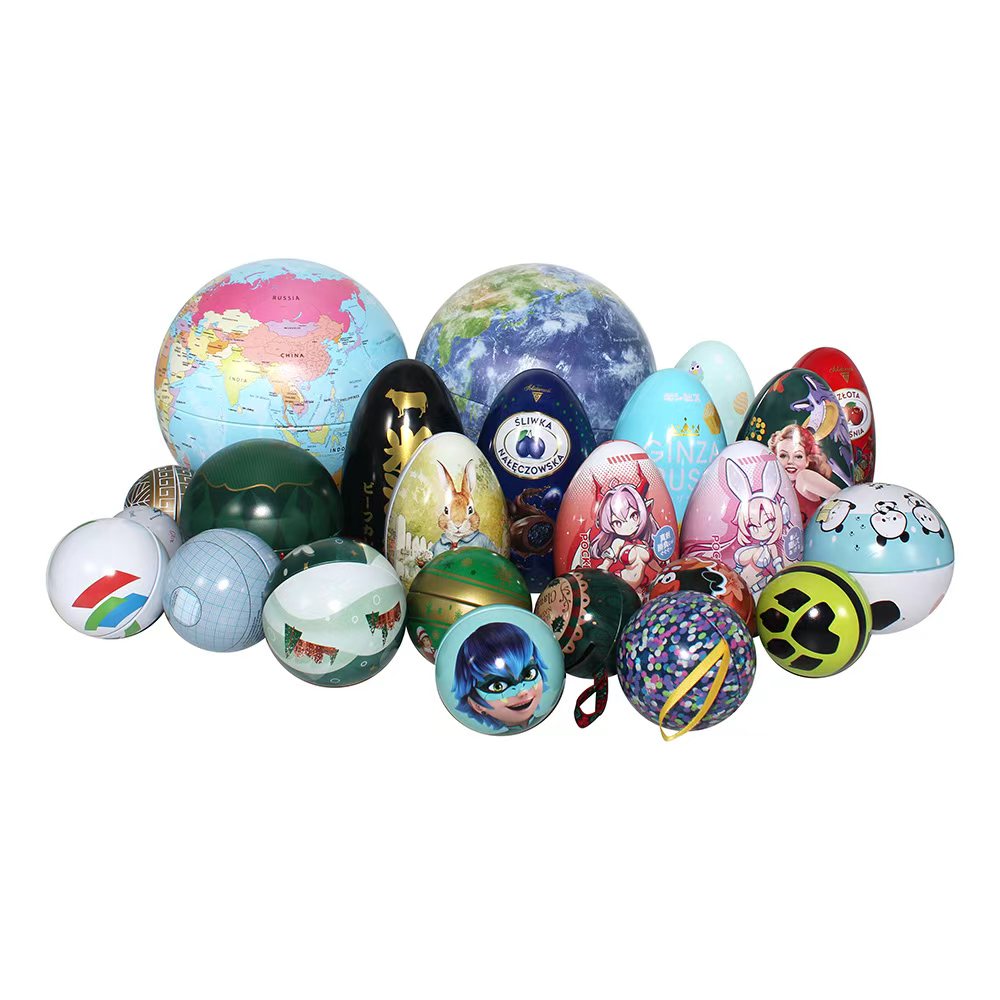
The global chewing gum industry is undergoing a notable packaging transformation, with gum in tin can rapidly emerging as a mainstream consumer choice. Amid growing demand for portable, eco-friendly, and premium daily snacks, traditionally plastic-packaged chewing gum is gradually losing market share, while tin-can packaged gum has gained immense popularity among young consumers and health-conscious buyers.
Tin Can Takeover: How Premium Packaged Gum Is Transforming the Global Confectionery Market