
Printed Tin Cans Industry Booms: Driven by Technology Upgrade, Sustainability Demand and Premiumization Trend
author: Estelle
2026-04-22

Printed Tin Cans Industry Booms: Driven by Technology Upgrade, Sustainability Demand and Premiumization Trend
April 22, 2026 – The global printed tin cans industry is experiencing steady growth, driven by the dual impetus of technological innovation and changing consumer demands. As a versatile packaging solution, printed tin cans have expanded their application scenarios across food, beverages, cosmetics, and pharmaceuticals, while the industry is accelerating its transformation towards intelligence, greenization and high-end customization, according to the latest market research reports.

Market Growth Maintains Steady Momentum, with Premium Segments Leading the Increase
The printed tin cans market has maintained a stable growth trajectory in recent years, unaffected by short-term macroeconomic fluctuations. Data shows that the market size of China’s printed tin cans industry reached 12.86 billion yuan in 2025, a year-on-year increase of 6.3%, and is expected to rise to 13.67 billion yuan in 2026, maintaining the same growth rate as the previous year. Globally, the specialty printed tin cans market is also showing positive growth, with demand expected to reach 711 million US dollars in 2027 and 979.4 million US dollars by 2036, representing a compound annual growth rate of 4.1% during the forecast period.
A notable trend is the rising penetration of high-end customized printed tin cans. In 2025, the penetration rate of high-value-added printed tin cans with processes such as UV varnish coating, multi-color overprinting and anti-counterfeiting textures in baby formula, premium coffee and imported health products reached 37.2%, an increase of 9.5 percentage points compared with 2023. This premiumization trend has driven the average unit price of products to rise, with the weighted average ex-factory price of China’s printed tin cans reaching 0.443 yuan per unit in 2025, a slight increase of 1.8% year-on-year.

Technological Innovation Empowers Industry Upgrade, Intelligence and Precision Become Key Directions
Technological iteration is the core driving force for the high-quality development of the printed tin cans industry. Guided by national policies such as the "Guiding Opinions on Accelerating the Intelligent Transformation of Traditional Manufacturing Industries", leading enterprises are accelerating the introduction of AI visual inspection systems and flexible production lines, enabling a single production line to support the rapid switching of more than 300 SKUs, which significantly reduces the marginal cost of small-batch customized orders and stimulates the purchasing willingness of long-tail customers.
In terms of printing technology, the application of high-performance inks has continuously improved the quality of printed tin cans. Printing inks for tinplates are divided into internal and external coatings, with external coatings including printing-type white ink, roller-coating white ink, color ink and varnish. High-quality pigments not only enhance the color vividness and adhesion of printed products but also extend the service life of metal packaging, while the selected resin binders and pigments meet strict food hygiene requirements. In addition, digital printing, laser coding and matte touch coating technologies have been widely used, creating more value-added space for products. For example, a joint customized can body launched by a leading enterprise for a beverage brand, featuring variable information laser coding and matte touch coating, achieved a single can premium of 0.32 yuan, significantly boosting profit margins.

Sustainability Becomes a Core Competitiveness, Green Transformation Accelerates
Against the backdrop of global carbon neutrality goals, sustainability has become a key factor affecting the development of the printed tin cans industry. Printed tin cans have inherent environmental advantages, with a recycling rate far higher than that of plastic packaging – the recycling rate of tinplate packaging in Europe exceeds 80%, and Germany’s recycling rate even reaches 94.3% in private end consumption. Each tin can can be recycled and reused 7 to 8 times, and the energy consumption during the recycling process is only 30% of that of primary metal production.
Enterprises are further enhancing the environmental performance of printed tin cans through technological innovation. Henkel, a global chemical giant, has cooperated with partners to use tinplate made of CO2-reduced steel to produce printed tin cans, which can reduce carbon emissions by 62% compared with traditional tin cans. In China, the "Special Action Plan for Green and Low-Carbon Transformation of the Metal Packaging Industry (2025-2027)" clearly requires that the penetration rate of water-based inks in the printing process of printed tin cans be increased to 78.6% in 2025, reducing VOC emissions by 80% compared with traditional processes. In addition, the use of ultra-thin tinplate (below 0.18mm) and bio-based coatings has further reduced the carbon footprint of products, with the carbon footprint of some high-end products reduced by 28.6% compared with traditional ones.

Application Scenarios Continue to Expand, Industry Concentration Gradually Increases
Printed tin cans are widely used in various fields due to their excellent sealing, barrier properties and aesthetic appearance. In the food industry, they are widely used in canned tuna, candy, biscuits, baby formula and other products, accounting for 54.8% of the market share in China’s printed tin cans industry in 2025. In the beverage industry, they are used in beer, carbonated drinks, functional drinks and other products, accounting for 22.3% of the market share. With the upgrading of consumption, the application of printed tin cans in high-value-added fields such as cosmetics and pharmaceuticals is also expanding, with the market share rising to 15.6% in 2025.
The industry concentration is gradually increasing, with leading enterprises gaining more market share through technological advantages and customer resources. In 2025, the combined market share of the top three enterprises in China’s printed tin cans industry reached 38.6%, an increase of 2.1 percentage points compared with 2024. These leading enterprises have strong R&D capabilities and supply chain advantages, and have successfully entered the supply chains of well-known brands in food, beverages and cosmetics, driving the overall upgrading of the industry.

Outlook: Promising Future Driven by Multiple Factors
Looking ahead, the printed tin cans industry will continue to maintain steady growth, driven by multiple factors such as policy support, technological innovation, and expanding downstream demand. The optimization of RCEP origin rules will further promote the export of printed tin cans to ASEAN, the Middle East and other regions, while the continuous improvement of downstream industry concentration will bring more stable orders to the industry. Industry insiders predict that enterprises with independent material formula capabilities, advanced digital printing equipment and dual-system certification will gain more competitive advantages in the future, and the industry will gradually enter a new stage dominated by technological premiums.
As consumers’ demand for product quality, safety and sustainability continues to increase, printed tin cans, as a green, high-quality and customizable packaging solution, will play a more important role in the global packaging market, and the industry is expected to achieve higher-quality development in the process of continuous transformation and upgrading.

Big Tin Can Innovation: Industry-Wide Breakthroughs in Sustainable Tinplate Packaging
Metal Lunch Box Tins Experience Surge in Global Demand Amid Sustainability and Safety Trends
Related Article
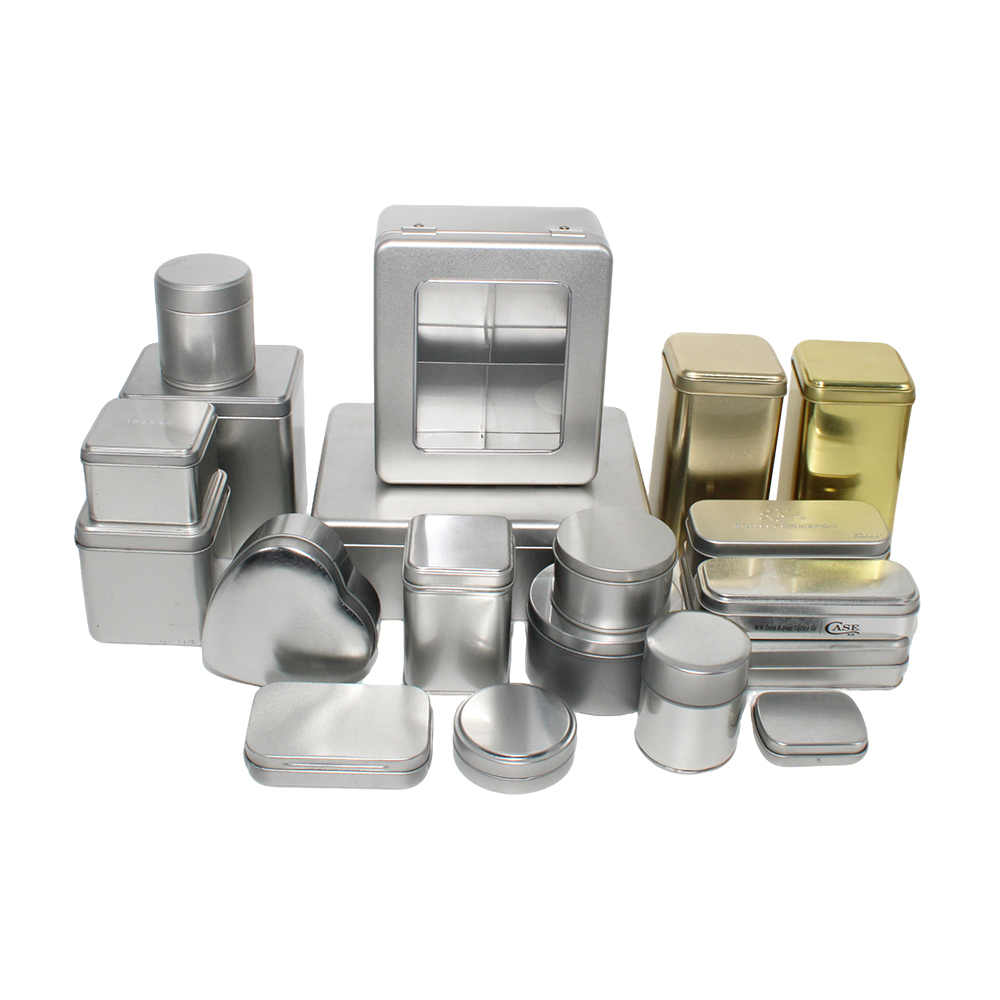
Amid growing public focus on household waste sorting, whether tin cans can be properly recycled has become one of the most searched environmental questions worldwide. Latest industry reports confirm that tin cans are infinitely recyclable, yet inconsistent disposal habits continue to hold back global recycling performance. Environmental authorities and metal producers are stepping up public education to improve metal waste utilization this year.
Are Tin Cans Recyclable? Global Recycling Data and Sustainable Insights in 2026

Amid the prevalence of single-use plastic packaging and fleeting snack trends, tin can cookies have secured a solid foothold in the global baked snack market. Featuring sturdy metallic packaging, diverse flavors, nostalgic value and eco-friendly properties, these classic confections have won popularity across age groups, reshaping the competitive landscape of the confectionery industry.
Tin Can Cookies Make a Sustainable Comeback in Global Snack Markets
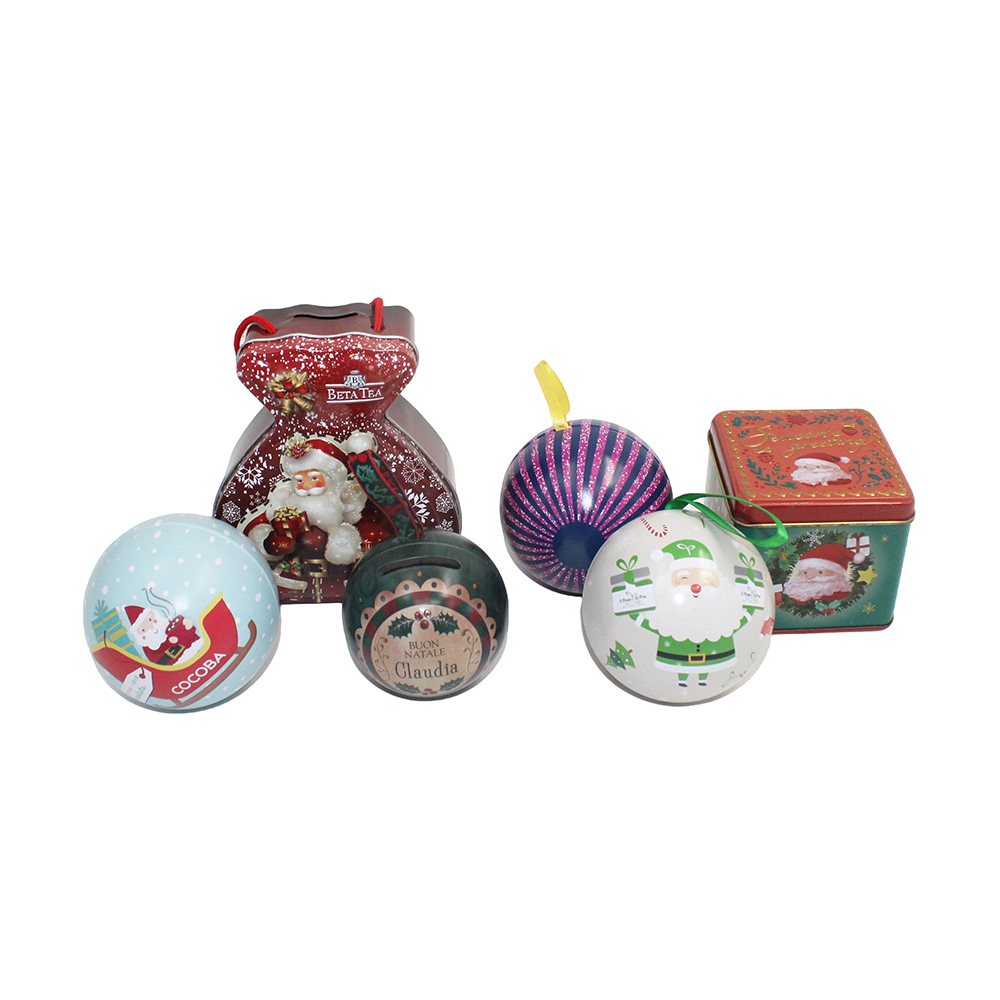
As the annual Christmas shopping season officially kicks off, festive packaging has become one of the best-selling consumer goods in major supermarkets and gift stores. Among these seasonal items, Christmas tin can products have seen a sharp increase in sales, gradually replacing traditional paper gift boxes and plastic packaging. Industry analysts point out that durability, recyclability and exquisite festive designs are the three core drivers behind this year’s consumption boom.
Christmas Tin Cans Gain Huge Popularity in This Year’s Holiday Consumer Market
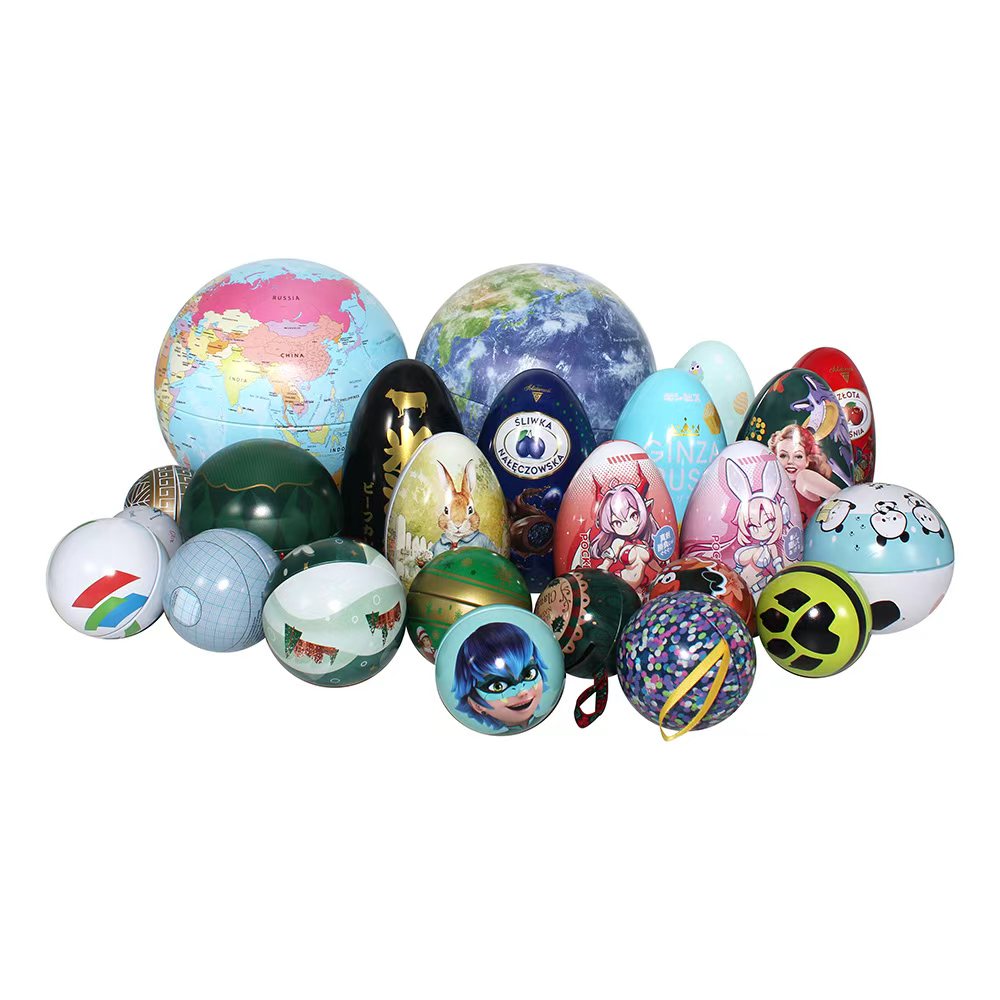
The global chewing gum industry is undergoing a notable packaging transformation, with gum in tin can rapidly emerging as a mainstream consumer choice. Amid growing demand for portable, eco-friendly, and premium daily snacks, traditionally plastic-packaged chewing gum is gradually losing market share, while tin-can packaged gum has gained immense popularity among young consumers and health-conscious buyers.
Tin Can Takeover: How Premium Packaged Gum Is Transforming the Global Confectionery Market