
Tin Can Recycling Gains Global Momentum in 2026 Amid New Circular Economy Policies
author: Estelle
2026-04-25

Tin Can Recycling Gains Global Momentum in 2026 Amid New Circular Economy Policies
April 25, 2026 | Global — Amid worldwide efforts to curb industrial carbon emissions and expand zero-waste circular economies, tin can recycling has evolved from a basic household habit into a vital industrial priority and policy focus in 2026. Outperforming most conventional packaging alternatives, tin can recycling delivers prominent ecological benefits, including substantial energy savings, significant carbon reduction and efficient solid waste mitigation. Stricter environmental regulations, innovative low-carbon manufacturing technologies and widespread public incentive programs have collectively boosted global recycling volumes, unlocking long-term ecological value and sustainable economic returns across Europe and the rest of the world.

Tinplate steel cans for food and beverage packaging are among the most resource-efficient and environmentally sustainable packaging solutions available. Unlike plastic packaging, which suffers permanent quality degradation after repeated recycling and releases harmful microplastics into ecosystems, tin cans support infinite recycling without compromising structural integrity, material purity or product quality. This unique trait enables a fully closed, endless resource circulation loop. Statistics show that recycling tin cans conserves over 95% of the energy required for virgin steel production. This sharp reduction directly cuts greenhouse gas emissions generated by iron ore mining and high-temperature industrial smelting, while diverting thousands of tons of solid waste from landfills and incineration every year, solidifying tin cans’ essential role in ecological protection and green industrial development.

European Nations Lead with Record Recycling Rates and New Policies
Europe continues to lead the world in standardized tin can recycling and systematic sustainable waste management. The latest industrial data shows that Germany achieved a record civilian tinplate packaging recycling rate of 94.3% in 2024, with its industrial recycling rate maintaining a steady high level of 92.5%. This sustained outstanding performance stems from standardized waste classification systems, complete industrial recycling chains and consistent public participation, setting a credible global benchmark for efficient and eco-friendly resource recovery.
To fully tap the untapped environmental potential of tin can recycling and improve national recycling efficiency, multiple European nations launched upgraded Deposit Return Schemes (DRS) in 2026. Portugal has officially rolled out a national DRS framework, requiring consumers to pay a €0.10 deposit on eligible steel and aluminum beverage cans under three liters, with full refunds provided after empty containers are returned to authorized collection points and major retail outlets. Following this sustainable policy model, Spain will implement a similar mandatory deposit refund system in November 2026, covering all beverage cans and bottles to reduce littering and maximize circular resource utilization.
These policy updates align closely with the European Union’s revised Packaging and Packaging Waste Regulation (PPWR), which will take full effect in August 2026. The new regulation enforces stricter recyclability and sustainability standards and phases out high-pollution, low-recyclability packaging products. Thanks to its infinite recyclability, ultra-low carbon lifecycle and zero-waste operational advantages, tin cans have been officially recognized as a top-tier sustainable packaging option, highlighting the irreplaceable ecological value of standardized tin can recycling in global waste governance and carbon mitigation.

Low-Carbon Tin Can Manufacturing Reshapes Industrial Sustainability
Beyond conventional waste recovery, the tin can manufacturing industry is advancing industrial ecological upgrading through low-carbon technological innovation. In March 2026, Henkel, a global leading consumer goods enterprise, launched a new line of tinplate cans made with low-carbon Bluemint steel. Compared with traditional counterparts, this recyclable low-carbon packaging reduces full-lifecycle carbon emissions by up to 62%. This technological breakthrough integrates clean steel production with circular recycling mechanisms, building a mature closed-loop ecological model for tin packaging and greatly enhancing its overall environmental contributions.
Industry analysts note that tin can recycling delivers far-reaching ecological benefits that surpass ordinary waste recycling initiatives. Reprocessing recycled tin steel consumes only a small fraction of the energy required for virgin steel manufacturing, substantially cutting fossil fuel use and carbon emissions from mining, smelting and industrial processing. Furthermore, this circular practice reduces ecological damage caused by iron ore extraction, including land degradation and industrial soil and water pollution. For global food and beverage enterprises, adopting recycled low-carbon tin packaging has become a reliable and practical approach to optimizing product carbon footprints and achieving corporate carbon neutrality goals.

Persistent Challenges Blocking Full Potential of Tin Can Recycling
Despite remarkable progress in policy implementation and low-carbon industrial transformation, structural global challenges still limit the full environmental potential of tin can recycling. In most regions, mixed waste disposal and incomplete public sorting lead to widespread contamination of discarded tin cans. Contaminated materials lose their high-purity recyclable properties, requiring extra energy for reprocessing and offsetting the carbon reduction and waste governance benefits of recycling. In residential areas with shared waste facilities, irregular collection schedules and insufficient dedicated recycling bins cause large quantities of recyclable tin cans to be landfilled or incinerated, resulting in avoidable carbon emissions and solid waste pollution.
Additionally, unbalanced regional infrastructure and economic development restrict the universal ecological advantages of tin can recycling. While European countries are equipped with comprehensive professional recycling systems to maximize resource recovery and carbon savings, many underdeveloped regions lack specialized sorting and processing equipment, leading to low recycling efficiency, severe resource waste and redundant energy consumption. Insufficient public environmental awareness serves as another key barrier. Most consumers fail to fully recognize the infinite recyclability of tin cans and their unique advantages in carbon reduction and waste management, often confusing eco-friendly tinplate packaging with non-recyclable composite materials.

Future Outlook: Universal Recycling and Closed-Loop Industrial Chains
Industry insiders predict that global tin can recycling will achieve steady and comprehensive development over the next three to five years. With the full implementation of EU mandatory recycling standards and the global expansion of deposit refund mechanisms, regional recycling gaps will gradually narrow, driving sustained growth in the global tin can recycling rate.
Meanwhile, a growing number of global brands will adopt low-carbon tin packaging solutions and build complete closed-loop industrial chains covering waste collection, professional reprocessing and green remanufacturing. As public environmental awareness rises and urban waste management systems continue to upgrade, standardized tin can recycling will become a mainstream daily eco-friendly practice. Its unique strengths in carbon reduction, natural resource conservation and zero-waste governance will establish tin can packaging as a flagship model of the global circular economy and an effective solution to mitigate global climate change and ecological degradation.
Overall, tin can recycling is a simple yet highly efficient sustainable practice that balances ecological protection and circular economic development. Driven by continuous policy optimization, technological innovation and improving public environmental awareness, it will further unlock its outstanding low-carbon and zero-waste value. Moving forward, this green initiative will play an increasingly critical role in advancing global circular economy construction and long-term ecological sustainability.

Metal Tin Storage Boxes Witness Surging Global Demand Amid Sustainability and Premium Packaging Trends in 2026
Custom Tin Box Industry Booms Globally: Driven by Sustainability, Personalization and Technological Innovation
Related Article

Amid growing public focus on household waste sorting, whether tin cans can be properly recycled has become one of the most searched environmental questions worldwide. Latest industry reports confirm that tin cans are infinitely recyclable, yet inconsistent disposal habits continue to hold back global recycling performance. Environmental authorities and metal producers are stepping up public education to improve metal waste utilization this year.
Are Tin Cans Recyclable? Global Recycling Data and Sustainable Insights in 2026

Amid the prevalence of single-use plastic packaging and fleeting snack trends, tin can cookies have secured a solid foothold in the global baked snack market. Featuring sturdy metallic packaging, diverse flavors, nostalgic value and eco-friendly properties, these classic confections have won popularity across age groups, reshaping the competitive landscape of the confectionery industry.
Tin Can Cookies Make a Sustainable Comeback in Global Snack Markets
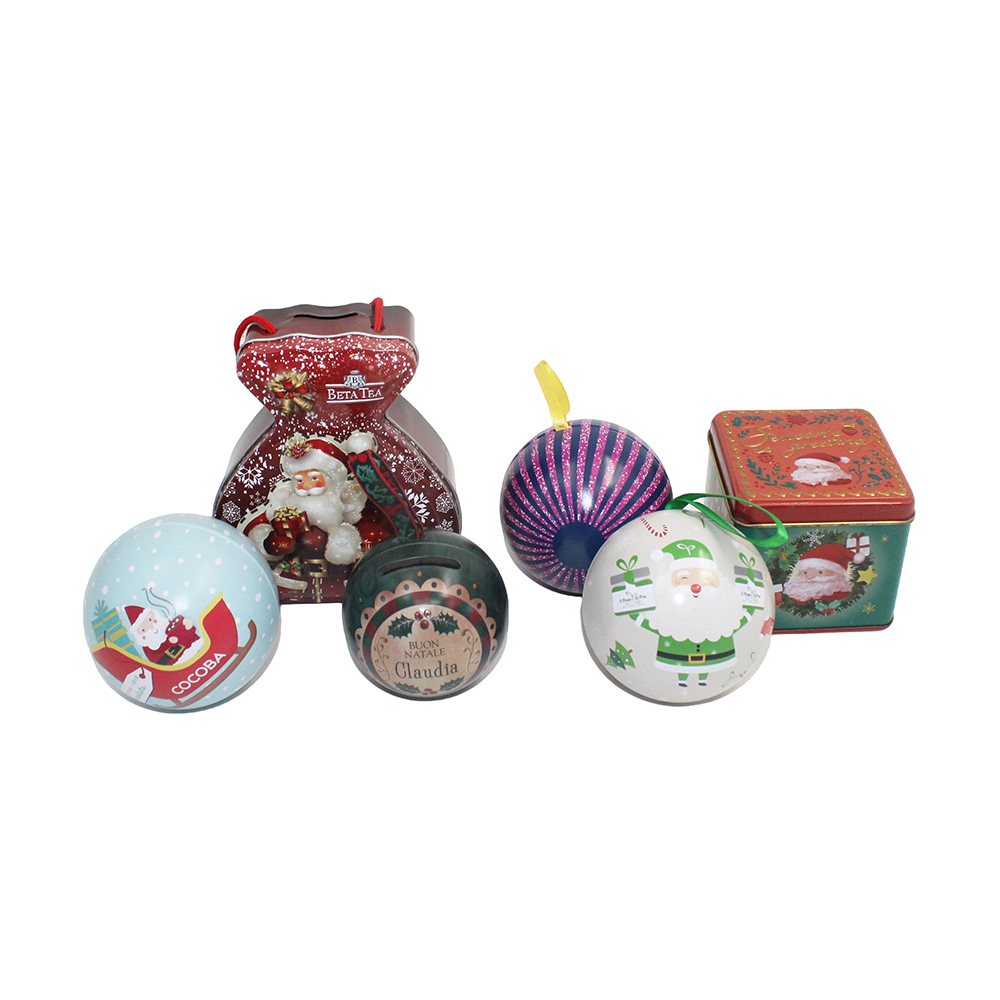
As the annual Christmas shopping season officially kicks off, festive packaging has become one of the best-selling consumer goods in major supermarkets and gift stores. Among these seasonal items, Christmas tin can products have seen a sharp increase in sales, gradually replacing traditional paper gift boxes and plastic packaging. Industry analysts point out that durability, recyclability and exquisite festive designs are the three core drivers behind this year’s consumption boom.
Christmas Tin Cans Gain Huge Popularity in This Year’s Holiday Consumer Market

The global chewing gum industry is undergoing a notable packaging transformation, with gum in tin can rapidly emerging as a mainstream consumer choice. Amid growing demand for portable, eco-friendly, and premium daily snacks, traditionally plastic-packaged chewing gum is gradually losing market share, while tin-can packaged gum has gained immense popularity among young consumers and health-conscious buyers.
Tin Can Takeover: How Premium Packaged Gum Is Transforming the Global Confectionery Market