
Small Tin Gift Boxes: Redefining Gifting Experiences Through Consumer-Centric Innovation and Scene Diversification
author: Estelle
2026-04-17
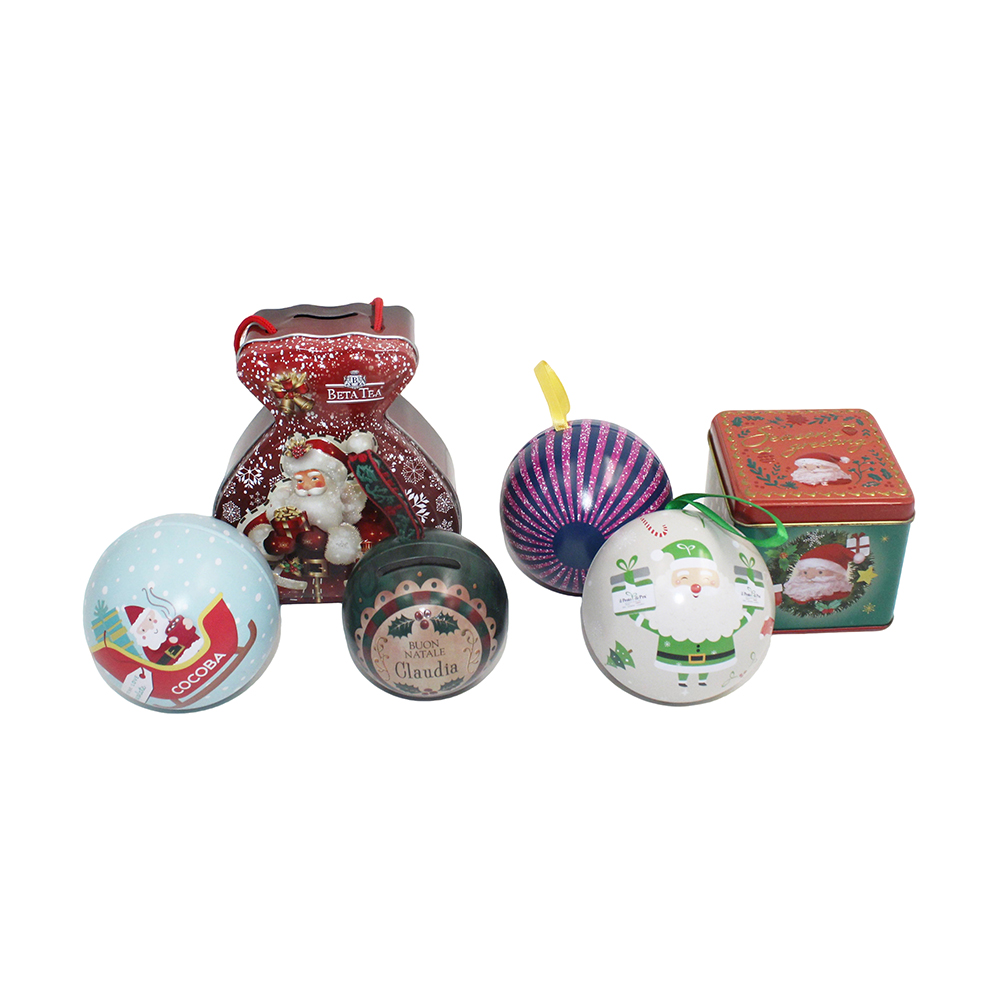
Small Tin Gift Boxes: Redefining Gifting Experiences Through Consumer-Centric Innovation and Scene Diversification
April 17, 2026 – Beyond being a sustainable packaging option, small tin gift boxes are rapidly evolving into a key element of consumer gifting culture, driven by shifting user preferences for meaningful, portable, and memorable presents. Unlike the traditional focus on market growth and industry trends, the latest evolution of small tin gift boxes centers on how they adapt to diverse consumer groups and emerging gifting scenarios, from intimate personal exchanges to large-scale corporate events, and even niche hobby communities.

Consumer-Centric Design: Tailoring to Diverse User Groups
Today’s consumers are no longer satisfied with one-size-fits-all gift packaging; small tin gift boxes are being tailored to cater to distinct demographic groups, each with unique needs and preferences. For Generation Z, known for their pursuit of individuality and social media visibility, manufacturers are launching small tin boxes with minimalist designs, matte finishes, and detachable lids that double as photo frames or desk organizers – perfect for sharing on platforms like Instagram and TikTok. These boxes often feature customizable stickers or interchangeable panels, allowing young consumers to add personal touches without high costs.
For middle-aged consumers, who prioritize practicality and sentiment, small tin gift boxes are designed with larger internal compartments and durable hinges, suitable for storing small keepsakes, family photos, or daily essentials after the gift is opened. Many of these boxes also incorporate classic patterns, such as vintage floral prints or subtle geometric designs, aligning with this group’s preference for timeless aesthetics. For senior consumers, small tin gift boxes with easy-to-open lids and non-slip bottoms are gaining popularity, making them accessible and functional for gifting items like homemade snacks or small health supplements.

Packaging Comparison: Why Small Tin Gift Boxes Outperform Traditional Alternatives
While small tin gift boxes share the core function of packaging gifts with paper, plastic, and wooden options, they stand out as a superior choice across key metrics: durability, sustainability, versatility, and aesthetic longevity. A side-by-side comparison reveals why consumers and brands are increasingly shifting to tin packaging for small gifts.
Paper gift boxes, the most common traditional option, are low-cost but fragile—easily crushed, torn, or damaged by moisture, making them unsuitable for delicate items (such as jewelry or cosmetics samples) or long-term storage. For example, a paper box holding handmade earrings may tear during transit, ruining the gift’s presentation, while a paper box used to store small tea bags will quickly absorb moisture, compromising the product’s freshness. They are also mostly single-use; even recyclable paper boxes often degrade after one use, contributing to paper waste, especially during holiday gifting seasons when packaging waste peaks.
Plastic gift boxes, meanwhile, offer slightly better water resistance but lack durability—they can crack or warp when exposed to heat, and their thin walls provide little protection against impact. For instance, a plastic box holding small chocolates may melt in direct sunlight, damaging the contents, while a plastic box used for promotional gifts often feels cheap and flimsy, undermining the brand’s premium image. Additionally, plastic boxes are difficult to recycle, with most ending up in landfills or oceans, conflicting with global sustainability trends and the growing demand for eco-friendly packaging.
Wooden gift boxes, though durable and aesthetically pleasing, are heavy, bulky, and significantly more expensive to produce and ship—making them impractical for small, portable gifts like travel-sized skincare sets or mini gourmet treats. Shipping wooden boxes also increases carbon emissions due to their weight, adding to environmental costs. They also require regular maintenance to prevent warping or cracking, especially in humid environments, and their production often involves deforestation, which is less eco-friendly than recyclable tinplate. In contrast, small tin gift boxes combine the best attributes: they are lightweight yet sturdy, resistant to moisture and impact (protecting delicate items during transit), 100% recyclable, and cost-effective for both manufacturers and consumers. For example, a small tin box holding tea samples can be shipped easily without damage, keeps the tea fresh for months, and can later be repurposed to store tea bags or small utensils.
Beyond practicality, small tin gift boxes also outshine alternatives in aesthetic appeal and reusability across diverse scenarios. For personal gifting occasions like birthdays or anniversaries, unlike paper boxes that fade, tear, or lose shape after a single use, tin boxes maintain their sleek appearance and print quality for years—a tin box engraved with a birthday message can be kept as a keepsake, while a paper box with the same message would likely be discarded within weeks. For holiday gifting, such as Christmas or Valentine’s Day, tin boxes’ metallic finish adds a festive, premium touch that elevates the gift’s presentation, unlike plastic boxes that feel cheap or wooden boxes that are too bulky to include in holiday gift baskets.
In corporate gifting scenarios, small tin gift boxes are far more versatile than alternatives. For employee onboarding gifts, a tin box holding branded stationery is lightweight, easy to distribute, and can be repurposed by employees for desk storage—serving as a long-term brand reminder. In contrast, a paper onboarding box may tear during distribution, while a wooden box is too heavy and costly for bulk gifting. For trade show giveaways, tin boxes are portable and durable, withstanding the hustle of busy events, unlike paper boxes that get crumpled in bags or plastic boxes that crack when dropped. Brands also benefit from tin boxes’ customizable printing, as logos and messages stay crisp and visible, unlike paper boxes that smudge or fade.
For niche hobby scenes, such as jewelry collecting or tea storage, small tin gift boxes are unmatched. Jewelry collectors rely on tin boxes’ scratch-resistant and airtight properties to protect delicate pieces like earrings or necklaces, whereas paper boxes scratch jewelry and plastic boxes trap moisture that tarnishes metal pieces. Tea enthusiasts use tin boxes to keep loose-leaf tea or tea bags fresh for months, thanks to their airtight seal—something paper boxes (which absorb moisture) and plastic boxes (which are not fully airtight) cannot do. Even for DIY craft projects, tin boxes provide a sturdy base for decoration, unlike flimsy paper boxes or brittle plastic boxes that break during crafting.

Scene Diversification: Expanding Beyond Traditional Gifting
The application of small tin gift boxes is no longer limited to holidays and special occasions; they are increasingly integrated into daily life and niche scenes, expanding their utility and appeal. One notable trend is the rise of small tin gift boxes in hobby communities – for example, collectors of handmade jewelry, vintage buttons, or miniature figurines use these boxes to store and display their treasures, thanks to their airtight, scratch-resistant properties. Craft enthusiasts also use small tin boxes as part of their DIY projects, decorating them with paint, ribbons, or decoupage to create one-of-a-kind storage solutions.
In the corporate world, small tin gift boxes are moving beyond traditional promotional gifts to become a tool for employee engagement and customer retention. Many companies now use small tin boxes to package onboarding gifts for new hires (such as branded stationery or wellness items) or thank-you gifts for long-term customers, with custom logos and messages that strengthen brand loyalty. Additionally, small tin gift boxes are increasingly used in event marketing – at trade shows, product launches, or pop-up stores, they are given as freebies to attract visitors, serving as a portable and memorable brand reminder.

Emotional Connection: Turning Packaging Into a Memorable Part of the Gift
One of the most significant shifts in the small tin gift box market is the focus on emotional connection, turning packaging from a mere container into a memorable part of the gifting experience. Many brands now offer small tin boxes with built-in features that enhance sentiment, such as hidden message slots, where givers can write handwritten notes, or magnetic closures that add a sense of anticipation when opening the box. Some high-end small tin gift boxes even come with a small LED light inside, illuminating the gift and creating a warm, festive atmosphere.
This focus on emotion is particularly evident in personal gifting. For example, small tin gift boxes are now a popular choice for wedding favors, with designs that match the wedding theme and can be personalized with the couple’s names and wedding date. After the event, guests can repurpose the boxes, keeping the memory of the occasion alive. Similarly, for birthdays and anniversaries, small tin gift boxes are often paired with custom engravings, turning them into keepsakes that hold sentimental value long after the gift inside is used.

Future Trends: Integration of Convenience and Sentiment
Looking forward, small tin gift boxes will continue to evolve around consumer convenience and emotional resonance. Manufacturers are exploring lighter, more durable materials and eco-friendly features like plant-based inks, while personalized technology will let consumers easily order custom-designed boxes from home.
Industry insiders predict the next innovation wave will focus on "multi-scene adaptability"—boxes that transition seamlessly from gifting to daily storage. As consumers seek meaningful, functional products, small tin gift boxes are poised to remain a gifting staple.
“The true value of small tin gift boxes lies in connecting people,” said a senior designer at a leading packaging company. “They blend functionality, sustainability, and sentiment—making them stand out in a crowded market.”

Tin Box Packing: The Sustainable, Durable & Versatile Packaging Solution Leading 2026 Industry Trends
From Attic Treasures to Viral Sensations: How Tin Music Boxes Are Stealing the Spotlight in 2026
Related Article
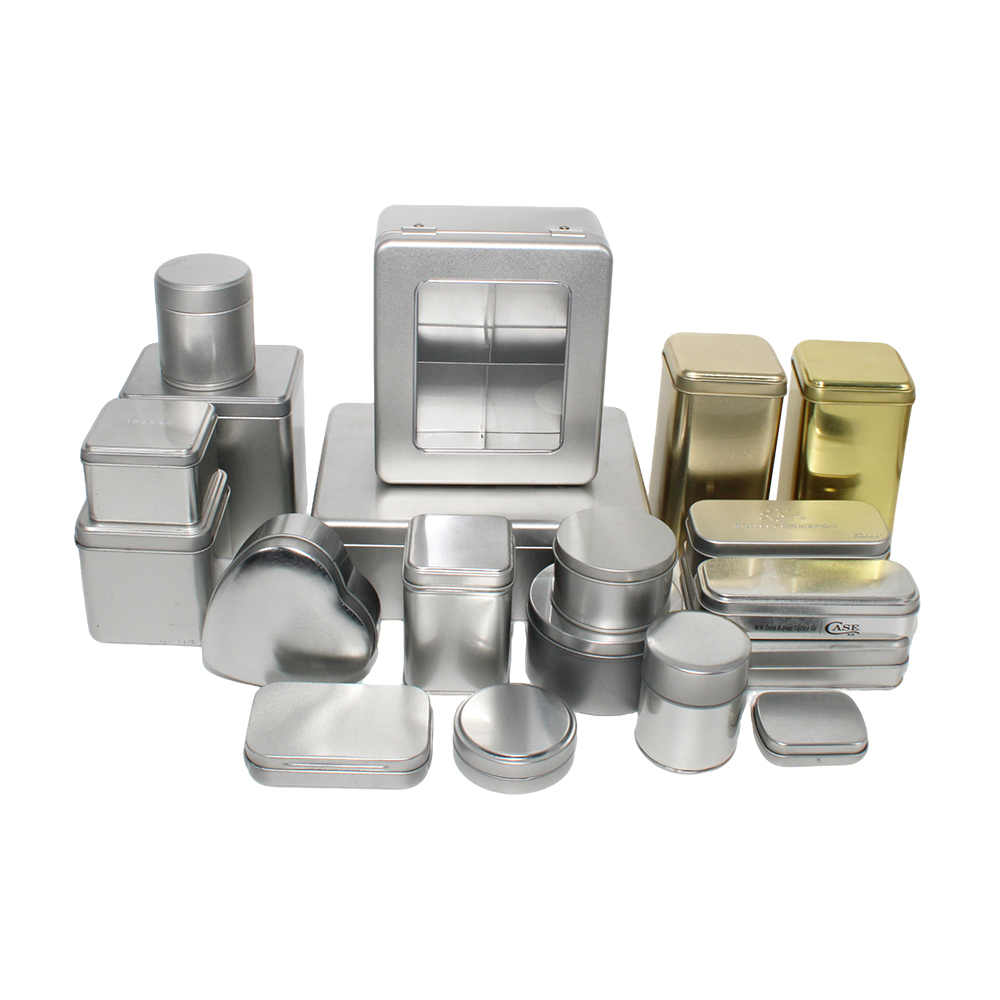
Amid growing public focus on household waste sorting, whether tin cans can be properly recycled has become one of the most searched environmental questions worldwide. Latest industry reports confirm that tin cans are infinitely recyclable, yet inconsistent disposal habits continue to hold back global recycling performance. Environmental authorities and metal producers are stepping up public education to improve metal waste utilization this year.
Are Tin Cans Recyclable? Global Recycling Data and Sustainable Insights in 2026

Amid the prevalence of single-use plastic packaging and fleeting snack trends, tin can cookies have secured a solid foothold in the global baked snack market. Featuring sturdy metallic packaging, diverse flavors, nostalgic value and eco-friendly properties, these classic confections have won popularity across age groups, reshaping the competitive landscape of the confectionery industry.
Tin Can Cookies Make a Sustainable Comeback in Global Snack Markets
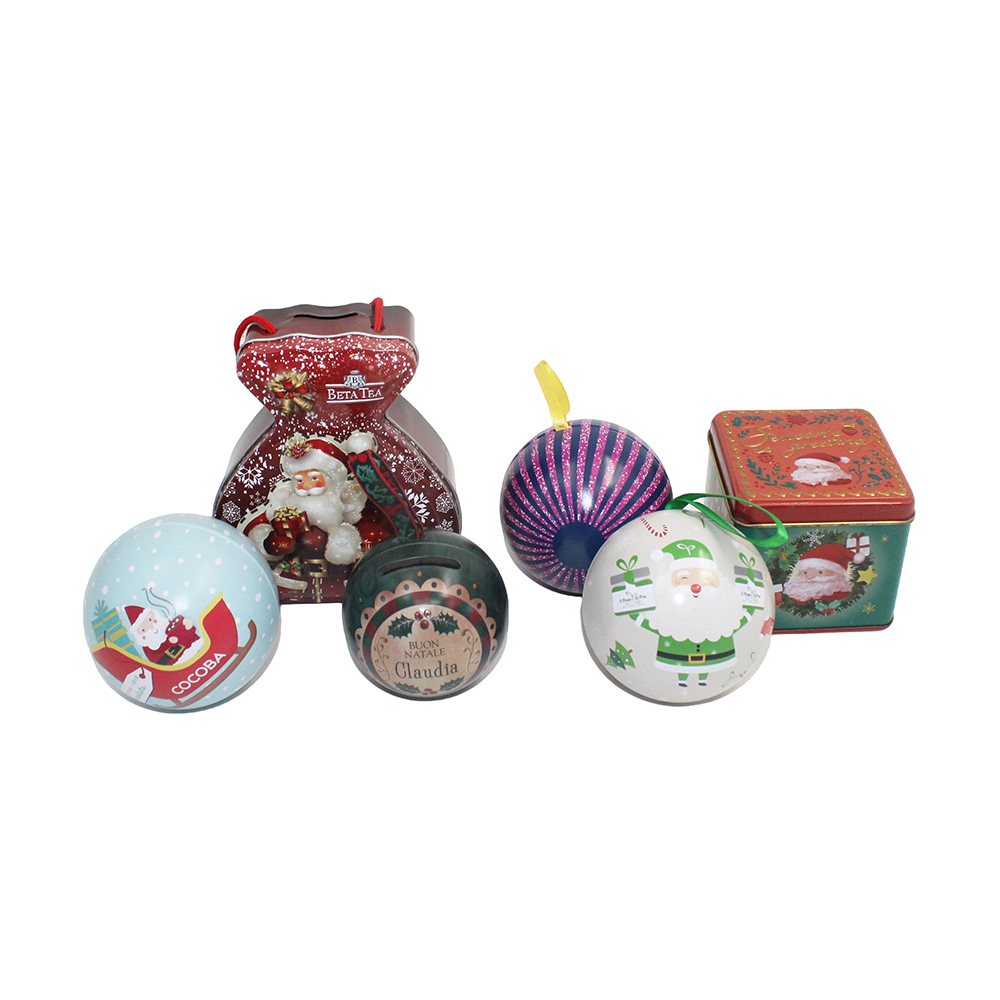
As the annual Christmas shopping season officially kicks off, festive packaging has become one of the best-selling consumer goods in major supermarkets and gift stores. Among these seasonal items, Christmas tin can products have seen a sharp increase in sales, gradually replacing traditional paper gift boxes and plastic packaging. Industry analysts point out that durability, recyclability and exquisite festive designs are the three core drivers behind this year’s consumption boom.
Christmas Tin Cans Gain Huge Popularity in This Year’s Holiday Consumer Market
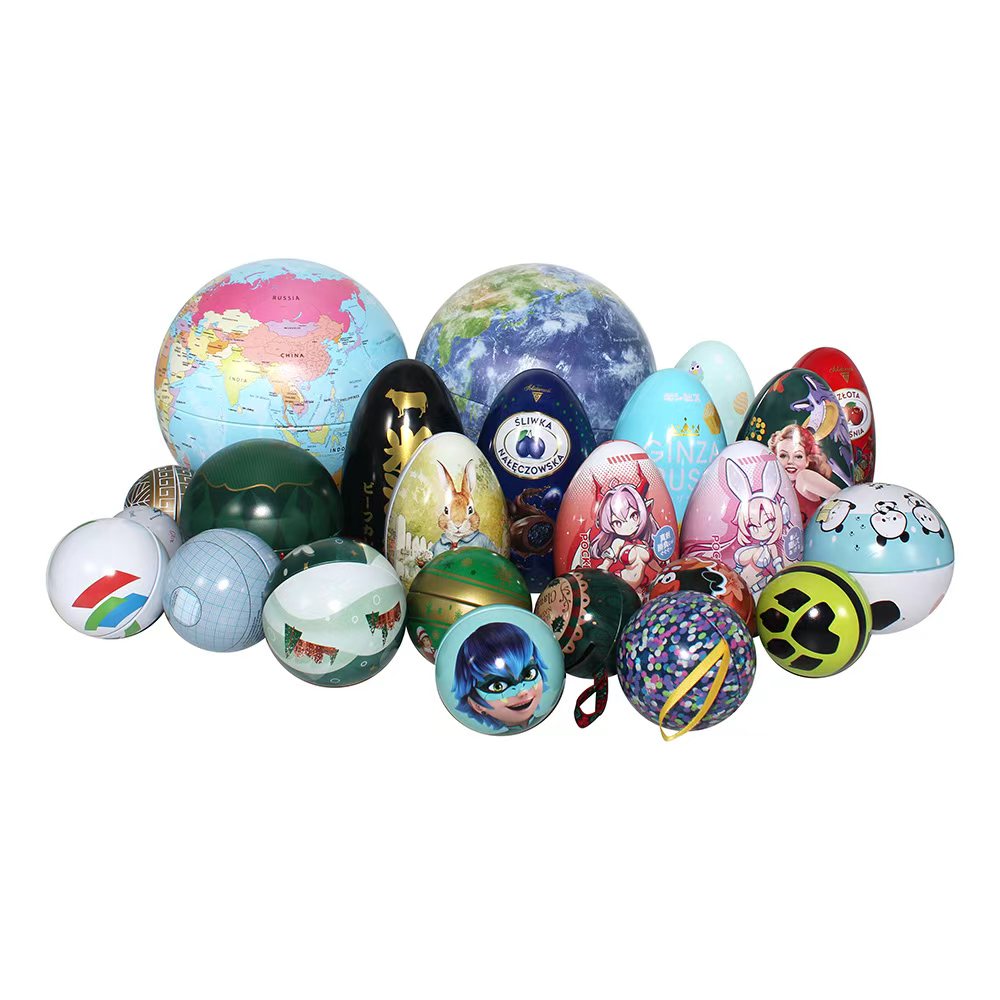
The global chewing gum industry is undergoing a notable packaging transformation, with gum in tin can rapidly emerging as a mainstream consumer choice. Amid growing demand for portable, eco-friendly, and premium daily snacks, traditionally plastic-packaged chewing gum is gradually losing market share, while tin-can packaged gum has gained immense popularity among young consumers and health-conscious buyers.
Tin Can Takeover: How Premium Packaged Gum Is Transforming the Global Confectionery Market