
Tea Tin Can Gains Traction as Premium, Sustainable Packaging Choice Amid Global Tea Industry Growth
author: Estelle
2026-04-09

Tea Tin Can Gains Traction as Premium, Sustainable Packaging Choice Amid Global Tea Industry Growth
April 9, 2026 — As the global tea market continues to expand, driven by rising health consciousness and cultural appreciation for tea, the tea tin can has emerged as a dominant packaging solution, blending functionality, sustainability, and brand appeal. Industry data and recent brand launches highlight how the tea tin can is reshaping packaging standards, offering unmatched protection for tea leaves while aligning with modern consumer demands for eco-friendly and aesthetically pleasing products.

Market Growth Fuels Demand for High-Quality Tea Tin Can Packaging
The global tea packaging market, valued at over $5.1 billion in 2024, is projected to grow at a CAGR of 6.9% through 2032, with the tea tin can leading the charge in the premium segment. In China alone, the tea can market reached 137.6 billion yuan in 2024, with metal tea tins—including tea tin can variants—accounting for 35% of the market share due to their superior sealing and durability. This growth is fueled by the expanding middle class, increasing demand for high-end tea products, and the recognition that tea tin can packaging enhances product value.
"The tea tin can is no longer just a storage container—it's a key part of the brand experience," said an industry analyst at Tinboxeschina. "Tea brands are increasingly turning to tea tin can wholesale and customization to differentiate themselves in a crowded market, as consumers associate metal tins with quality and premiumness."

Tea Tin Can: Unmatched Freshness, Sustainability and Branding Potential
The popularity of the tea tin can stems from its unique combination of functional and aesthetic benefits. Unlike plastic or paper packaging, a well-designed tea tin can provides an airtight seal, blocks UV light, and resists moisture—effectively preserving the flavor, aroma, and nutritional value of tea leaves for up to 12 months, compared to just 40% retention in paper packages. This makes it the ideal choice for premium teas like Pu'er, white tea, and oolong, which require long-term storage.
Sustainability is another key driver behind the tea tin can's rise. Made from 100% recyclable tinplate, tea tin can packaging is fully reusable and reduces reliance on single-use plastics, aligning with global eco-friendly trends. Data shows that brands using biodegradable or recyclable tea tin can options see a 35% increase in repurchase rates, as consumers prioritize sustainable products.
Additionally, the tea tin can offers unparalleled branding opportunities through customization. Brands can incorporate embossed logos, vibrant prints, regional cultural elements, or festival themes to create a memorable visual identity. For example, Wuyi Star's Da Hong Pao tea tin can features landscape scroll illustrations, infusing the product with cultural value, while Fortnum & Mason's tea tin can designs blend elegance with brand heritage to stand out on retail shelves.

Brand Launches Highlight Tea Tin Can Innovation
Recent months have seen several high-profile brand launches showcasing the versatility of the tea tin can. In January 2026, Skinny Boost, a leading detox tea brand, unveiled its redesigned tea tin can packaging, replacing traditional pouches with sleek, shelf-ready tins that enhance both functionality and aesthetic appeal. The new tea tin can features a durable, reusable design and is available in five flavors, catering to health-conscious consumers.
In late March 2026, Studio Ghibli partnered with Japan's oldest handcraft company, Kaika Do, to release a limited-edition tea tin can inspired by the classic film “My Neighbor Totoro”. Crafted from copper and electroplated with tin, the handcrafted tea tin can combines traditional techniques with pop culture appeal, becoming a collector’s item for fans and tea enthusiasts alike.

Outlook: Tea Tin Can to Dominate Premium Packaging Segment
Industry experts predict that the tea tin can will continue to gain market share in the coming years, driven by ongoing innovation and evolving consumer preferences. With the global tea market expanding and brands prioritizing sustainability and branding, the tea tin can is poised to become the standard for premium tea packaging.
“As consumers become more discerning, the tea tin can checks all the boxes: it preserves freshness, supports sustainability, and serves as a powerful branding tool,” the Tinboxeschina analyst added. “We expect to see more brands investing in tea tin can customization and eco-friendly materials, further solidifying its position as the top choice for tea packaging.”

Classic Metal Lunch Box
Metal Pencil Box: History, Evolution, Popularity and Eco‑friendly Value
Related Article

Amid growing public focus on household waste sorting, whether tin cans can be properly recycled has become one of the most searched environmental questions worldwide. Latest industry reports confirm that tin cans are infinitely recyclable, yet inconsistent disposal habits continue to hold back global recycling performance. Environmental authorities and metal producers are stepping up public education to improve metal waste utilization this year.
Are Tin Cans Recyclable? Global Recycling Data and Sustainable Insights in 2026

Amid the prevalence of single-use plastic packaging and fleeting snack trends, tin can cookies have secured a solid foothold in the global baked snack market. Featuring sturdy metallic packaging, diverse flavors, nostalgic value and eco-friendly properties, these classic confections have won popularity across age groups, reshaping the competitive landscape of the confectionery industry.
Tin Can Cookies Make a Sustainable Comeback in Global Snack Markets
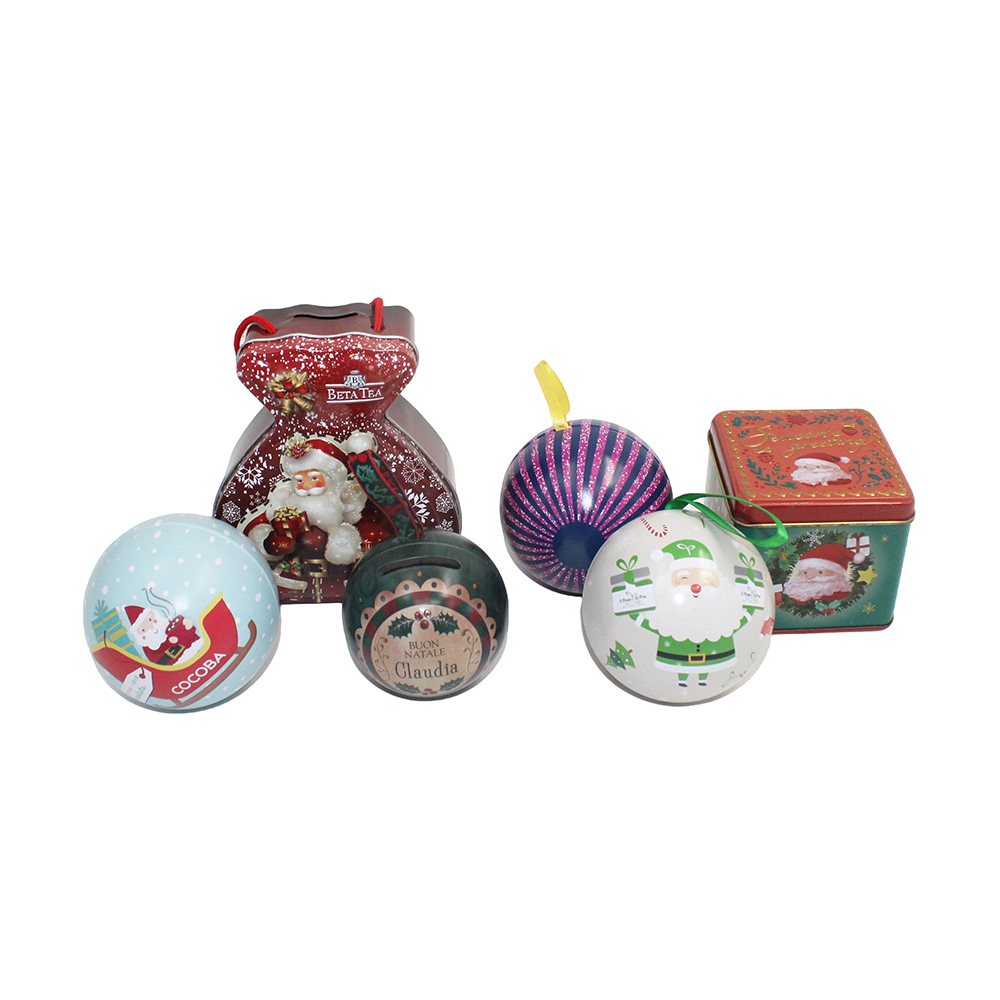
As the annual Christmas shopping season officially kicks off, festive packaging has become one of the best-selling consumer goods in major supermarkets and gift stores. Among these seasonal items, Christmas tin can products have seen a sharp increase in sales, gradually replacing traditional paper gift boxes and plastic packaging. Industry analysts point out that durability, recyclability and exquisite festive designs are the three core drivers behind this year’s consumption boom.
Christmas Tin Cans Gain Huge Popularity in This Year’s Holiday Consumer Market
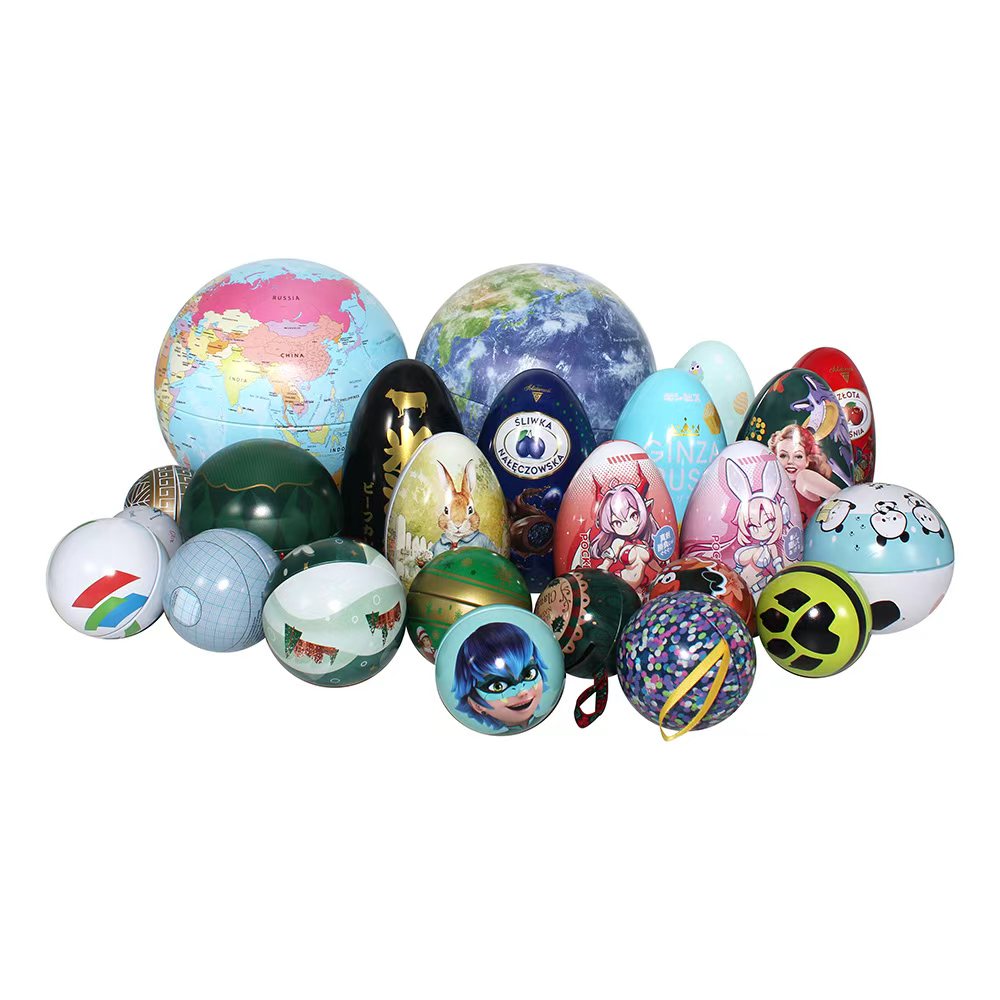
The global chewing gum industry is undergoing a notable packaging transformation, with gum in tin can rapidly emerging as a mainstream consumer choice. Amid growing demand for portable, eco-friendly, and premium daily snacks, traditionally plastic-packaged chewing gum is gradually losing market share, while tin-can packaged gum has gained immense popularity among young consumers and health-conscious buyers.
Tin Can Takeover: How Premium Packaged Gum Is Transforming the Global Confectionery Market