
Tin Box Packing: The Sustainable, Durable & Versatile Packaging Solution Leading 2026 Industry Trends
author: Estelle
2026-04-20
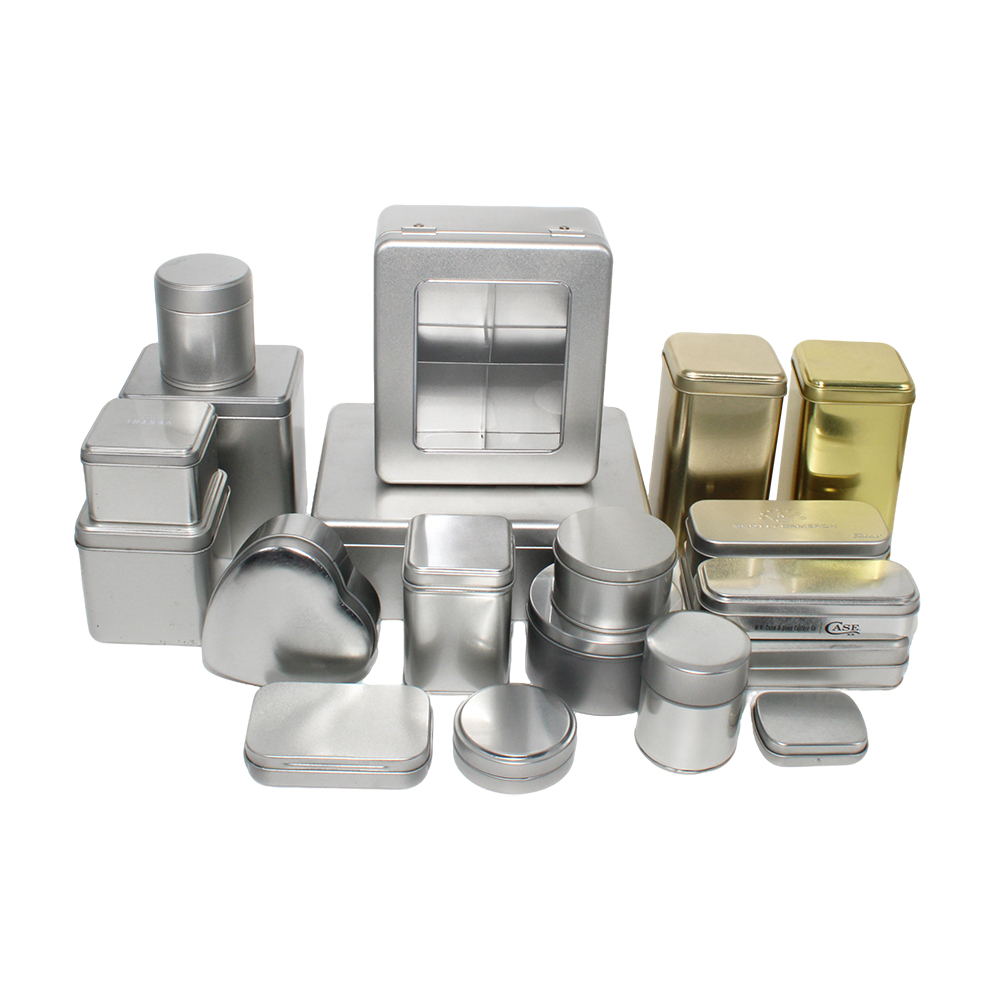
Tin Box Packing: The Sustainable, Durable & Versatile Packaging Solution Leading 2026 Industry Trends
April 20, 2026 — In an era where brands prioritize sustainability, durability, and brand storytelling, tin box packing has evolved from traditional functional packaging to a strategic asset reshaping the global packaging landscape. Recent industry reports highlight the metal packaging sector’s steady growth, with the tin container market projected to reach $816.2 million by 2035 at a 2.3% CAGR, driven by surging demand across food, cosmetics, gifting, home goods and holiday sectors.

Unmatched Advantages: Why Tin Box Packing Stands Out
Tin box packing offers unparalleled advantages over plastic, paper and glass alternatives. First, exceptional durability provides rigid, crush-resistant protection during shipping and storage, shielding products from impact, moisture and light. This is critical for preserving food freshness, extending shelf life and protecting delicate items. A sealed tin structure effectively blocks oxygen and contaminants, making it highly suitable for tea, coffee, confectionery and perishable goods.
Second, sustainability is its core strength: tinplate is infinitely recyclable without quality loss, and boasts one of the highest recycling rates in the packaging industry. Modern designs also use lightweight materials; cultural and creative tin boxes reduced average weight by 16.3% between 2020 and 2025, lowering material consumption while maintaining structural strength. Many brands have adopted closed-loop recycling systems, achieving a recycling rate of 96.2%.
Third, design flexibility supports rich customization. Tin boxes can be made into round, square, heart, cartoon or special shapes, with embossing, metal printing, vintage patterns and bright colors. This diversity helps strengthen brand image and turns packaging into collectibles or daily organizers, greatly improving consumer experience.

Rich Application Scenarios: Where Tin Box Packing Works Best
Tin box packing serves a wide range of daily and commercial scenarios with reliable performance. Typical applications include:
- Food & Confectionery: cookies, chocolate, candy, mooncakes, nuts, coffee, tea, biscuits and snacks — safe, sealed and attractive.
- Cosmetics & Skincare: lip balms, solid perfumes, candles, soaps, gift sets and travel beauty kits — stylish, leakproof and reusable.
- Gift & Festival: wedding favors, birthday gifts, Christmas gifts, Valentine’s gifts and business gifts — elegant, presentable and keepsake-friendly.
- Stationery & Small Items: pins, stickers, jewelry, hair clips, USB drives, buttons and craft supplies — sturdy, dustproof and well-organized.
- Health & Travel: pill boxes, first-aid kits, tobacco, herbal products and portable travel kits — lightweight, sealed and long-lasting.

Expanding Applications Across Key Industries
Tin box packing now serves a wide range of industries rather than only food. In food & beverage (51.7% market share), it is widely used for cookies, chocolate, coffee, tea and snacks, combining freshness protection with strong visual impact. High-end bakeries and tea brands often use custom printed tin boxes to enhance shelf appeal and brand recognition.
The cosmetics & personal care sector is growing rapidly (16.8% growth), with tin boxes used for balms, candles, soaps and gift sets. Their premium texture, eco-friendly features and reusability make them popular among environmentally conscious consumers.
In cultural, creative and gift sectors (11.2%, 18.7% annual growth), tin boxes are widely used for gift packaging, wedding souvenirs and festival gifts. Limited-edition holiday tins and branded collectibles extend brand influence because consumers often keep and reuse tins for a long time.

2026 Innovations: Smart & Personalized Tin Box Packing
Leading manufacturers are integrating advanced technologies into tin box packing. Smart packaging with QR codes or NFC chips provides product authenticity, usage instructions and brand stories. Customization has also advanced, supporting personalized shapes, seasonal themes and joint limited-edition designs.
Eco-friendly innovations continue to progress: food-grade non-toxic coatings ensure safety, while single-material structures simplify recycling. Many brands have launched refillable tin programs to support circular economy and reduce single-use packaging waste.

Market Outlook & Consumer Trends
Consumer preference is driving the growth of tin box packing: more than 60% of consumers prefer products in tin packaging due to better appearance and reliability. As sustainability becomes a basic requirement, more brands are replacing plastic with tin to meet environmental goals and consumer expectations.
Industry analysts predict wider use of tin boxes in medicine, electronics and high-end goods, supported by demand for protection and brand value. With continuous innovation in design, sustainability and functionality, tin box packing will remain a core solution in modern packaging — combining practicality, environmental protection and long-term charm.
For brands, tin box packing is no longer just packaging. It has become a key tool to improve competitiveness, realize sustainable development and establish long-term emotional connection with consumers.

Metal Lunch Box Tins Experience Surge in Global Demand Amid Sustainability and Safety Trends
Small Tin Gift Boxes: Redefining Gifting Experiences Through Consumer-Centric Innovation and Scene Diversification
Related Article
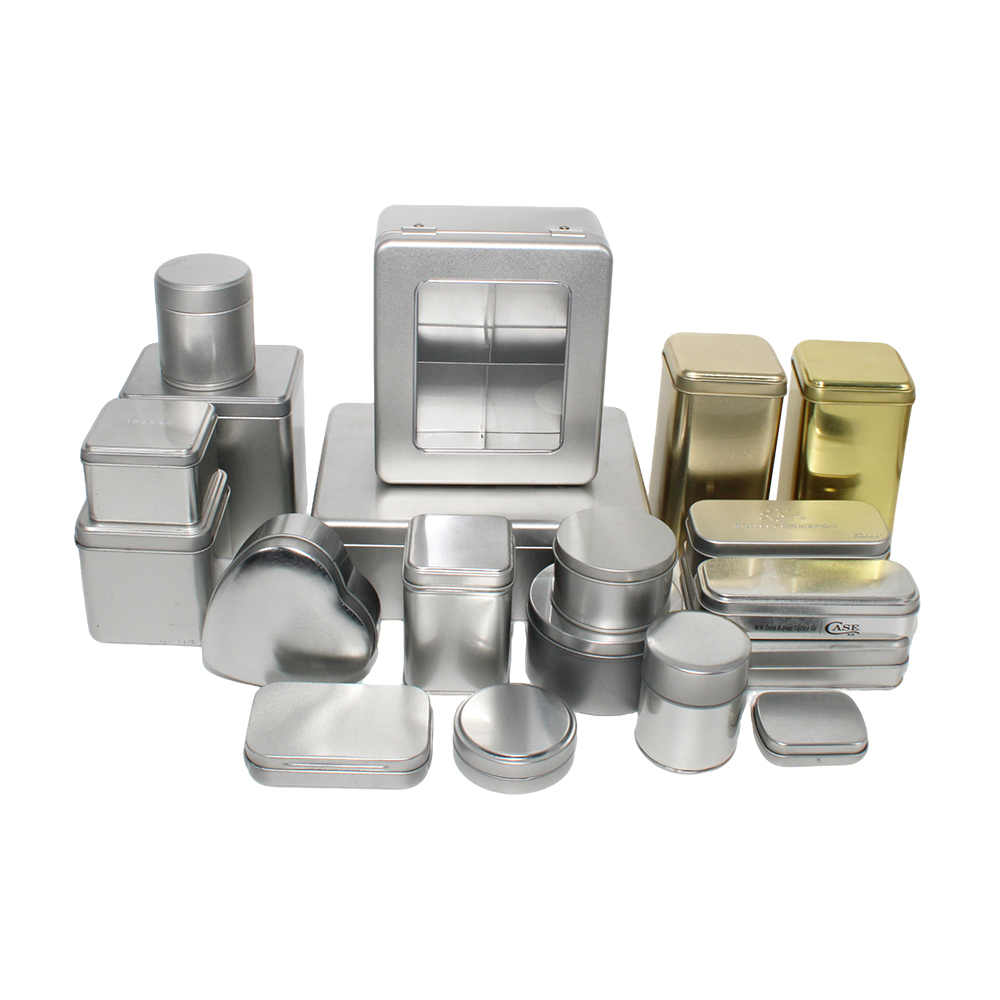
Amid growing public focus on household waste sorting, whether tin cans can be properly recycled has become one of the most searched environmental questions worldwide. Latest industry reports confirm that tin cans are infinitely recyclable, yet inconsistent disposal habits continue to hold back global recycling performance. Environmental authorities and metal producers are stepping up public education to improve metal waste utilization this year.
Are Tin Cans Recyclable? Global Recycling Data and Sustainable Insights in 2026

Amid the prevalence of single-use plastic packaging and fleeting snack trends, tin can cookies have secured a solid foothold in the global baked snack market. Featuring sturdy metallic packaging, diverse flavors, nostalgic value and eco-friendly properties, these classic confections have won popularity across age groups, reshaping the competitive landscape of the confectionery industry.
Tin Can Cookies Make a Sustainable Comeback in Global Snack Markets
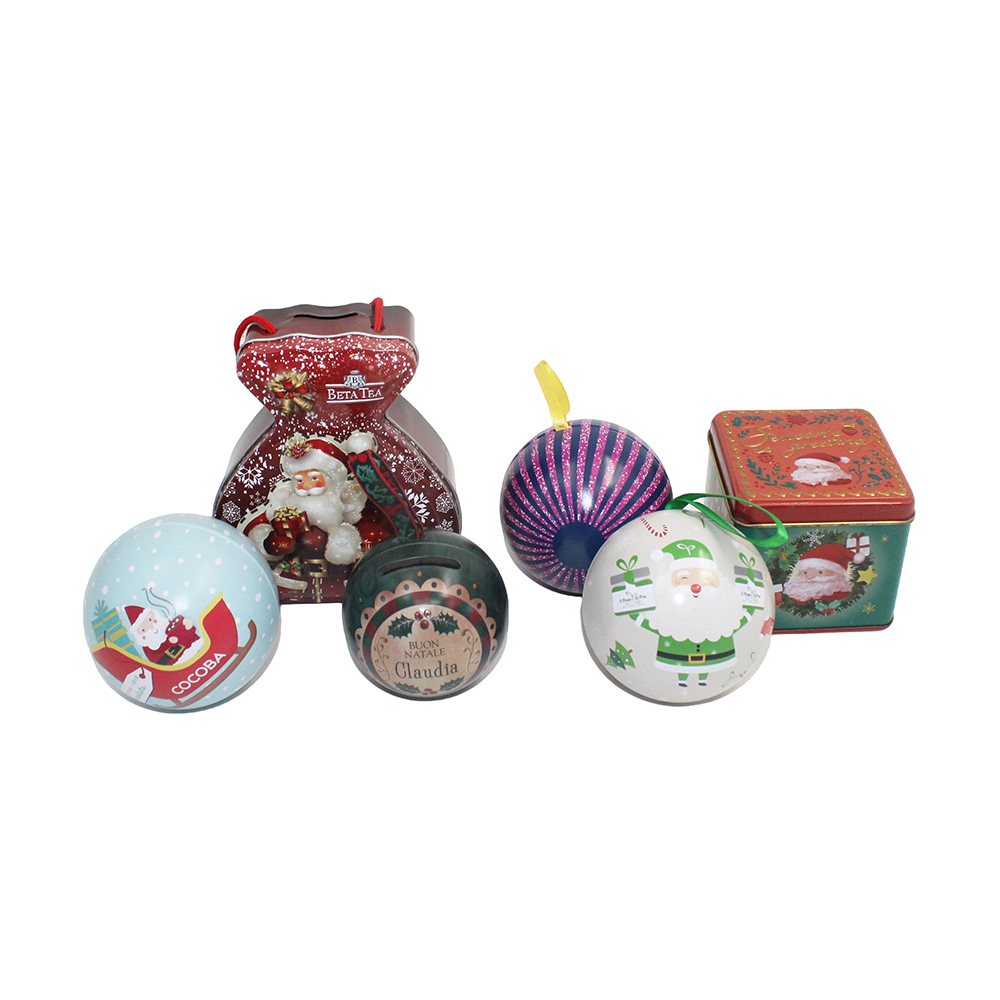
As the annual Christmas shopping season officially kicks off, festive packaging has become one of the best-selling consumer goods in major supermarkets and gift stores. Among these seasonal items, Christmas tin can products have seen a sharp increase in sales, gradually replacing traditional paper gift boxes and plastic packaging. Industry analysts point out that durability, recyclability and exquisite festive designs are the three core drivers behind this year’s consumption boom.
Christmas Tin Cans Gain Huge Popularity in This Year’s Holiday Consumer Market
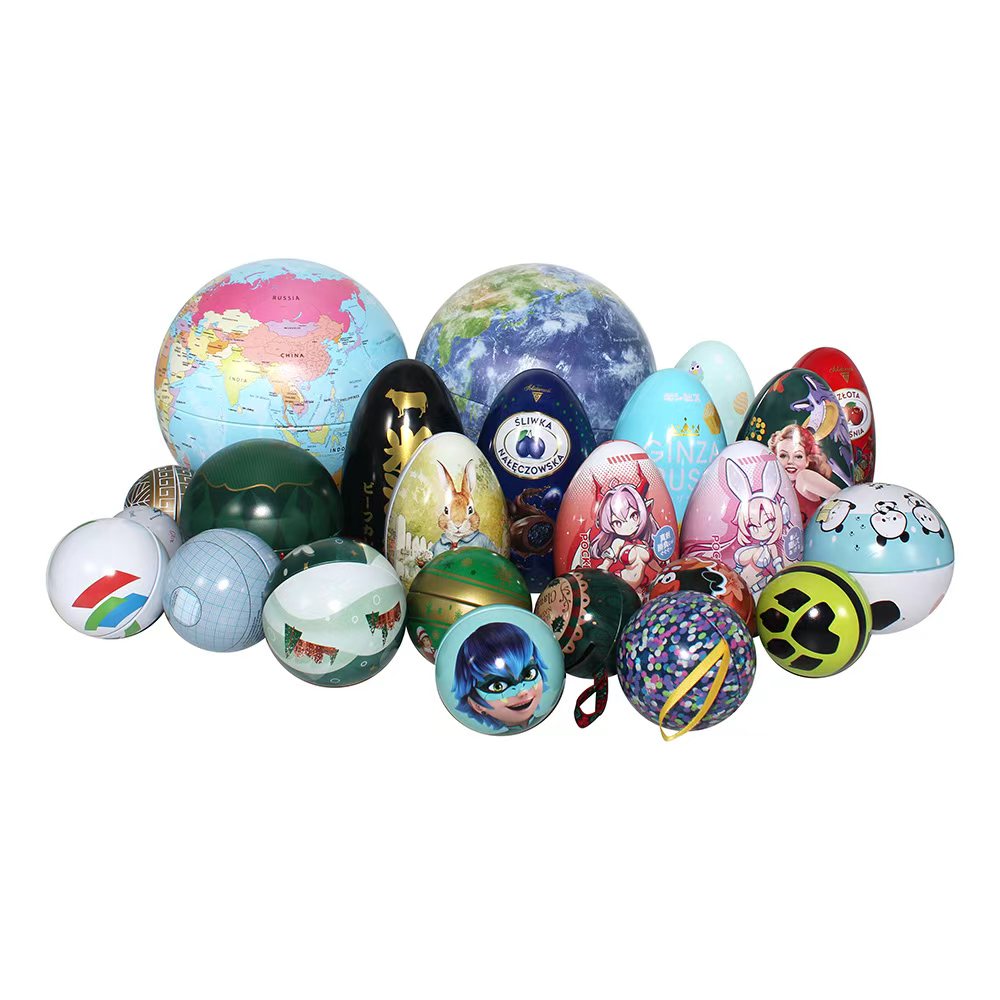
The global chewing gum industry is undergoing a notable packaging transformation, with gum in tin can rapidly emerging as a mainstream consumer choice. Amid growing demand for portable, eco-friendly, and premium daily snacks, traditionally plastic-packaged chewing gum is gradually losing market share, while tin-can packaged gum has gained immense popularity among young consumers and health-conscious buyers.
Tin Can Takeover: How Premium Packaged Gum Is Transforming the Global Confectionery Market