
Tin Cans with Window: Innovative Packaging Gains Popularity Amid Market Upgrade and Green Trends
author: Estelle
2026-04-28

Tin Cans with Window: Innovative Packaging Gains Popularity Amid Market Upgrade and Green Trends
By Packaging Industry Reporter
April 28, 2026 — As global consumer markets raise higher standards for packaging in terms of aesthetics, safety and environmental friendliness, tin cans with windows have emerged as a standout innovative packaging solution. Combining the sturdy metal texture of traditional tin cans with visual display functions, this new packaging type is gaining traction across multiple industries. It stands out in the competitive packaging sector for its unique product strengths and broad application scenarios, while still facing tangible industrial challenges alongside promising long-term development prospects.

Core Product Advantages: Balancing Practicality, Safety and Aesthetics
Tin cans with windows integrate the superior performance of premium tinplate and the visual advantage of transparent materials, breaking the functional limitations of fully enclosed traditional metal cans. Their core product advantages are summarized as follows:
-
Superior protective performance: The product retains the inherent strengths of high-quality tinplate packaging, featuring excellent airtightness, oxygen and moisture resistance, as well as corrosion resistance. It can effectively extend the shelf life of internal goods and provide reliable physical protection against extrusion, collision and damage during long-distance transportation and daily storage, offering far better barrier performance and durability than ordinary plastic packaging.
-
Intuitive visual display and trust enhancement: Equipped with food-grade high-transparency embedded windows, these cans allow consumers to directly observe the color, texture and filling status of internal products such as tea, nuts and handmade gifts. It solves the information asymmetry problem of traditional opaque packaging, greatly improving consumers’ purchase willingness and trust.
-
Highly customizable and premium texture: It supports diversified personalized processing technologies including embossing, offset printing and special-shaped shaping. With optional frosted or mirror tinplate materials and adjustable thickness, the packaging presents an outstanding high-end metal texture, effectively helping brands shape premium product positioning.
-
Eco-friendly and recyclable: Different from non-degradable disposable plastic packaging, tinplate materials are 100% recyclable with low recycling loss, fully complying with global low-carbon and sustainable development policies. The optimized lightweight production process further reduces carbon emissions and raw material consumption.

Diversified Market Applications Cover Multiple High-End Scenarios
Benefiting from protection, aesthetics and display advantages, tin cans with windows have achieved in-depth coverage of multiple high-end market scenarios, with major application fields listed below:
-
Premium food packaging: This serves as its core application scenario. It is widely used for packaging high-end loose tea, specialty coffee beans, organic dried fruits, craft candies and baked snacks. The transparent window intuitively displays product freshness and texture, significantly improving the shelf competitiveness of high-end food products.
-
Custom gift packaging: It has become a mainstream choice for holiday gift sets, skincare mini gifts, handicrafts and boutique stationery packaging. The exquisite metal texture and visual display effect upgrade the overall grade of gifts, meeting market demands for personalized and high-grade customized packaging.
-
Cross-border e-commerce packaging: Thanks to its drop-resistant, moisture-proof and wear-resistant features, it adapts to complex long-distance cross-border logistics. It also fits online store display needs, fueling nearly 29% annual demand growth in the customized cross-border packaging segment.
-
Emerging industrial packaging: In recent years, it has been gradually applied to high-end daily chemical solid products and precision small electronic accessories. It balances product protection and brand display, continuously expanding its market boundary.

Industry Challenges Restricting Short-Term Market Penetration
Despite the booming market demand, the industry still faces prominent restrictive challenges that hinder the large-scale and rapid popularization of window tin cans:
-
High production cost and technical threshold: Compared with ordinary fully enclosed tin cans, window tin cans require complex processes such as integrated molding, precise window cutting and food-grade safe bonding. The sophisticated production technology and equipment investment raise manufacturing costs, and most small and medium-sized enterprises lack relevant technical capabilities, resulting in uneven market product quality.
-
Unstable raw material costs: The prices of core raw materials including high-quality tinplate and food-grade transparent window panels are vulnerable to market supply changes and industrial policies, bringing significant uncertainties to manufacturers’ profit margins.
-
Limited low-end market penetration: Compared with low-cost plastic packaging, the comprehensive cost of window tin cans is higher, making it difficult to penetrate price-sensitive low-end consumer markets and restricting overall market scale expansion.
-
Increased environmental supervision costs: Gradually tightened global environmental protection regulations require packaging enterprises to upgrade production equipment and optimize pollution discharge processes, further increasing short-term operating and investment costs.

Long-Term Development Prospects: Intelligent and Customized Upgrading
Industry analysts hold an optimistic view on the long-term development of tin cans with windows. Driven by global green packaging trends and consumption upgrading, the industry will usher in steady growth, with clear future development trends as follows:
-
Continuous market scale growth: The global rigid food packaging market maintains stable growth, and high-end differentiated metal packaging represented by window tin cans has become a core growth segment. Rising consumer demands for safety, aesthetics and environmental protection will continuously release market potential.
-
Cost reduction through technological and scale upgrading: Leading enterprises will accelerate production process optimization and large-scale standardized production, effectively lowering overall manufacturing costs, gradually narrowing the price gap with traditional packaging and accelerating market popularization.
-
Product upgrading toward customization and intelligence: Future products will integrate personalized shaping, diversified printing, anti-counterfeiting labels and product traceability functions to increase added value, realizing transformation from single packaging to high-value functional packaging.
-
Continuous expansion of application scenarios: Window tin cans will further penetrate the mid-end market and expand to emerging fields such as health products, boutique cosmetics and cultural and creative products. These cans will eventually evolve from a niche customized product into a mainstream high-end green packaging solution.

Conclusion
Overall, tin cans with windows represent a successful innovation in the traditional packaging industry, perfectly combining safety, practicality, aesthetics and environmental sustainability. With unique structural advantages and diverse application scenarios, they have won wide recognition in the high-end packaging market. Although high production costs and technical barriers still limit their full-scale market penetration in the short term, continuous technological innovation, scaled production and market expansion will effectively address these existing challenges. As global consumption upgrading and green packaging reform continue to advance, tin cans with windows will grow into a vital mainstream packaging option, bringing long-term value to both packaging manufacturers and consumer goods brands worldwide.

Custom Metal Tin Boxes Emerge as Premium, Sustainable Packaging Leader Amid Global Brand Upgrade Wave
Metal Tin Storage Boxes Witness Surging Global Demand Amid Sustainability and Premium Packaging Trends in 2026
Related Article

Amid growing public focus on household waste sorting, whether tin cans can be properly recycled has become one of the most searched environmental questions worldwide. Latest industry reports confirm that tin cans are infinitely recyclable, yet inconsistent disposal habits continue to hold back global recycling performance. Environmental authorities and metal producers are stepping up public education to improve metal waste utilization this year.
Are Tin Cans Recyclable? Global Recycling Data and Sustainable Insights in 2026

Amid the prevalence of single-use plastic packaging and fleeting snack trends, tin can cookies have secured a solid foothold in the global baked snack market. Featuring sturdy metallic packaging, diverse flavors, nostalgic value and eco-friendly properties, these classic confections have won popularity across age groups, reshaping the competitive landscape of the confectionery industry.
Tin Can Cookies Make a Sustainable Comeback in Global Snack Markets
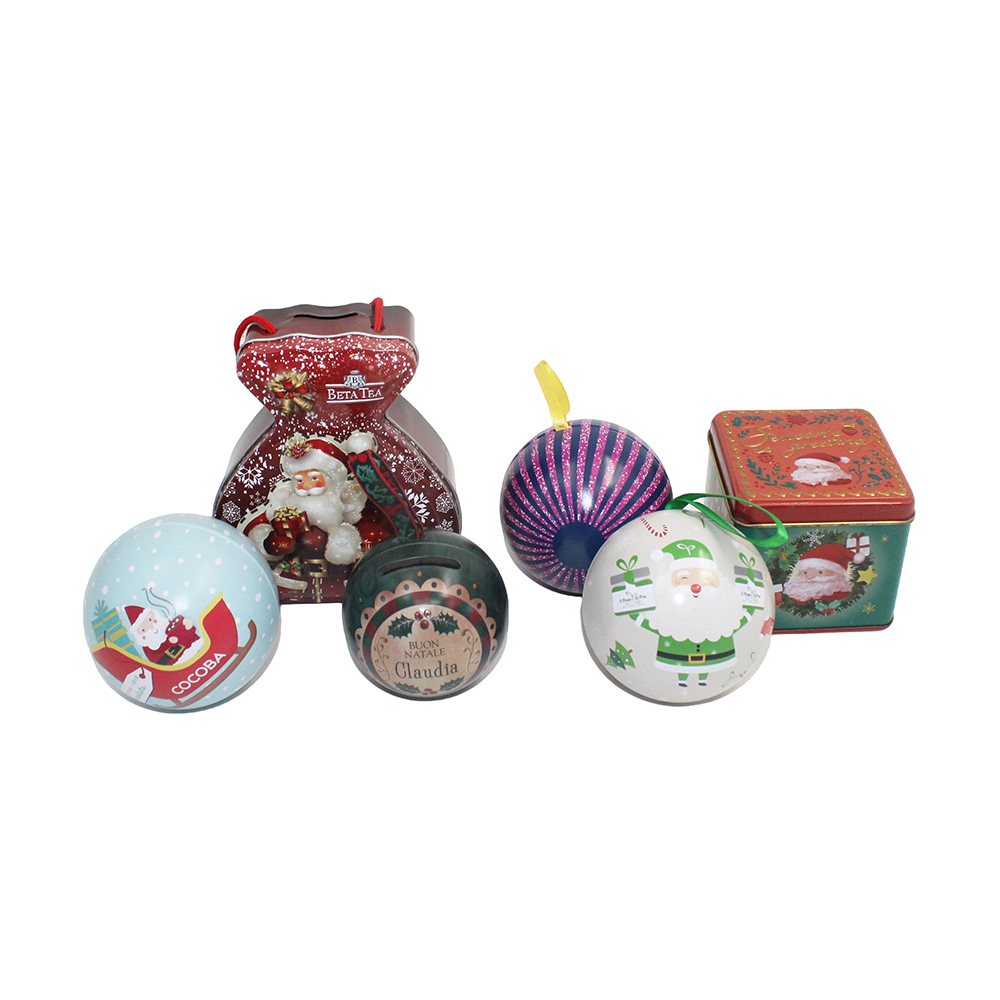
As the annual Christmas shopping season officially kicks off, festive packaging has become one of the best-selling consumer goods in major supermarkets and gift stores. Among these seasonal items, Christmas tin can products have seen a sharp increase in sales, gradually replacing traditional paper gift boxes and plastic packaging. Industry analysts point out that durability, recyclability and exquisite festive designs are the three core drivers behind this year’s consumption boom.
Christmas Tin Cans Gain Huge Popularity in This Year’s Holiday Consumer Market
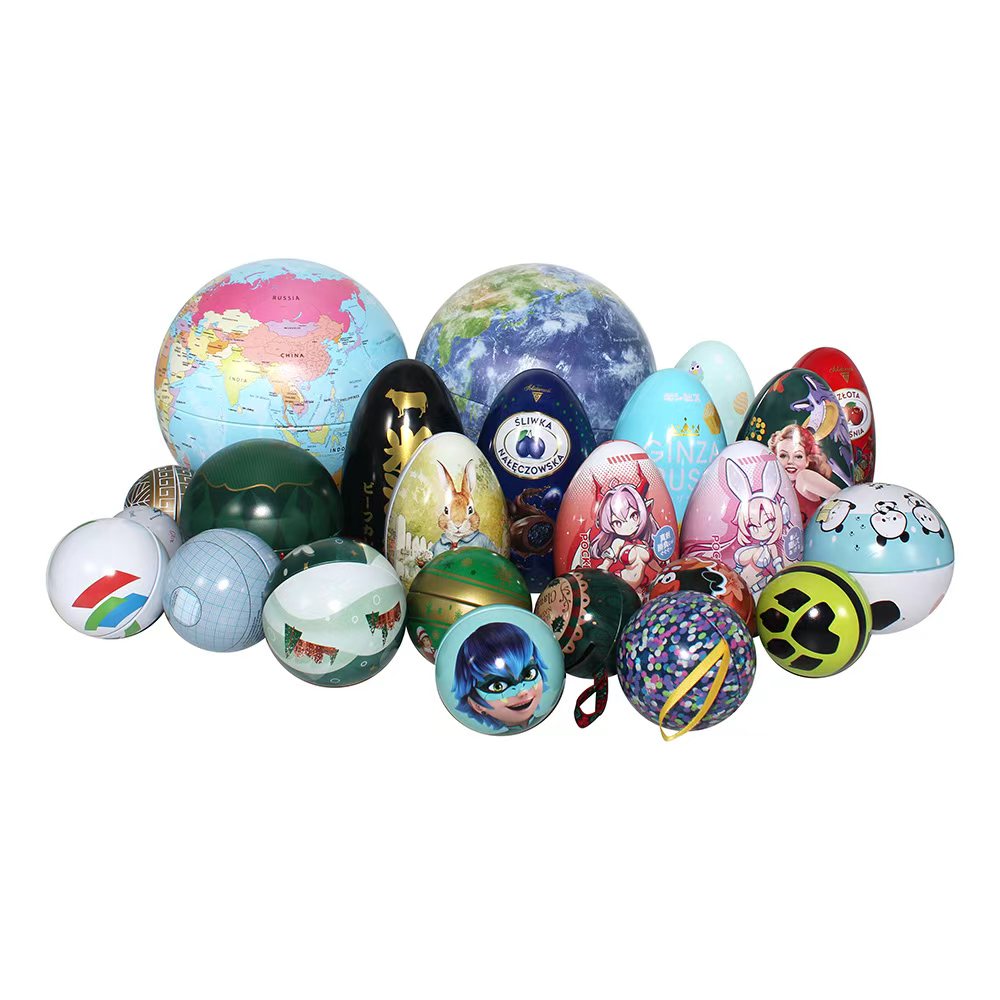
The global chewing gum industry is undergoing a notable packaging transformation, with gum in tin can rapidly emerging as a mainstream consumer choice. Amid growing demand for portable, eco-friendly, and premium daily snacks, traditionally plastic-packaged chewing gum is gradually losing market share, while tin-can packaged gum has gained immense popularity among young consumers and health-conscious buyers.
Tin Can Takeover: How Premium Packaged Gum Is Transforming the Global Confectionery Market