
Tin Containers Industry Enters a New Era: Green Transformation, Technological Upgrade and Market Expansion in 2026
author: Estelle
2026-04-11
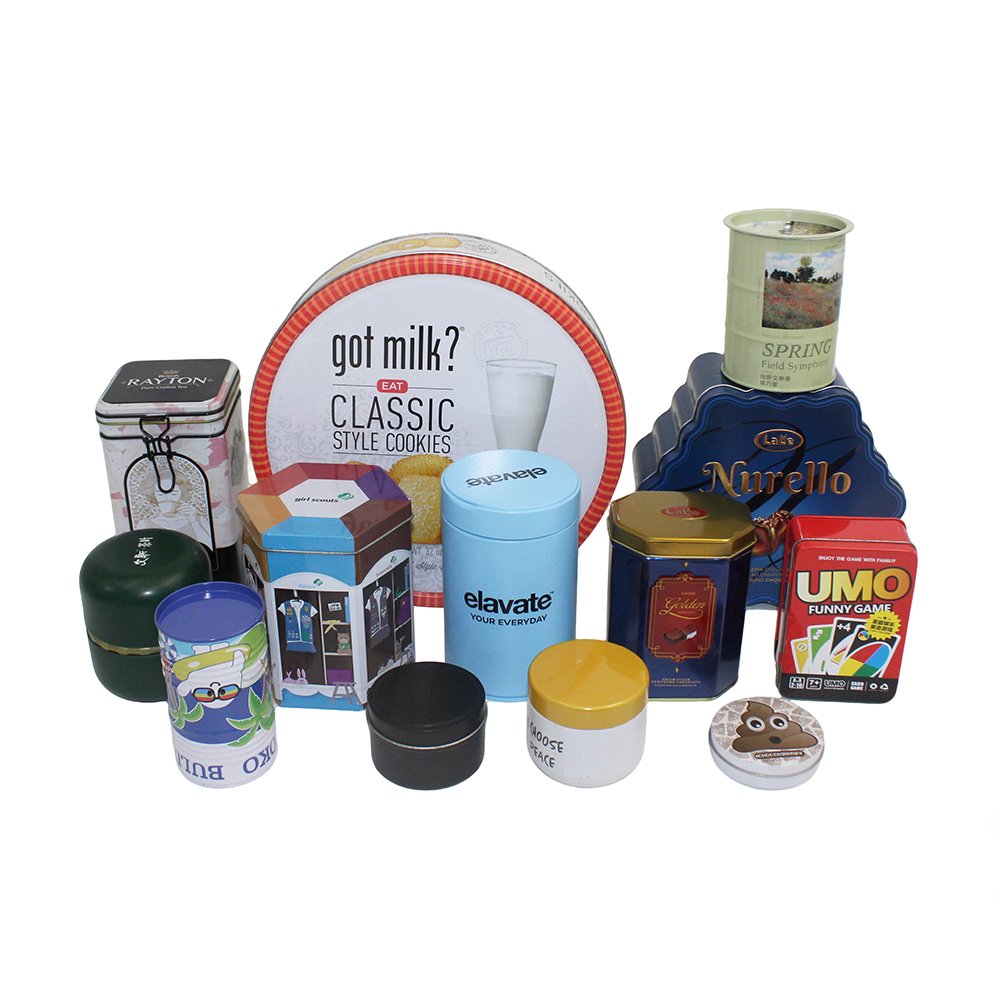
Tin Containers Industry Enters a New Era: Green Transformation, Technological Upgrade and Market Expansion in 2026
April 11, 2026 – The global tin containers industry is undergoing profound transformation, driven by environmental policies, technological innovation and changing market demands. Below is a clear, concise overview of its 2026 core dynamics.

Core Industry Overview & Market Outlook
• Global market size: 13.55 USD billion in 2024, projected to reach 22.27 USD billion by 2035 (CAGR 4.62%) (Market Research Future).
• Core advantages of tin containers: durability, recyclability, and excellent product protection—key drivers for breaking traditional application boundaries and laying a solid foundation for this steady market growth.

Policy Guidance: Green Transformation as Core Direction
• Global policies: The EU mandates 70%+ renewable/recyclable packaging by 2030; the U.S. has achieved a 93% grade-preserving recycling rate for food aluminum tin containers; Germany recycled 5.5 million tonnes of packaging waste (including tin containers) in 2024—all driving the industry's green transition.
• Chinese policy: A new national standard for aluminum container recycling will be implemented, clarifying the closed-loop path for tin containers and promoting low-VOCs coatings to align with global green trends.
• Enterprise case: Guangdong Dadi Weiye has invested over 4% of its annual sales in eco-friendly tin container coatings, earning high-tech enterprise certification and setting an industry benchmark for green upgrading.

Market Dynamics: Expanding Scale & Enriched Scenarios
• Global market: 1-5 liter tin containers hold the largest share, thanks to their wide use in food and beverage; North America is the top market, while Asia-Pacific leads growth, fueled by rapid urbanization and rising disposable incomes.
• Chinese market: The tinplate can (a major type of tin container) market is expected to hit 189.5 billion yuan in 2026, with a total demand of 480 billion cans (65% three-piece, 35% two-piece)—a sign of strong domestic demand.
• Specialty market: It reached 683 million US dollars in 2026 and is projected to grow to 979.4 million by 2036 (CAGR 4.1%), driven by rising demand for high-end, decorative, and gift tin containers.
• Enterprise case: Independent Can Company has expanded its specialty tin container line with digital printing; its seamless and decorative products are globally popular, meeting personalized market needs.
• Emerging scenarios: Due to their excellent performance, tin containers are penetrating high-end pet food, luxury cosmetics, prefabricated vegetables, and new energy battery casings, expanding the industry's market reach.

Technological Innovation: Intelligence & Lightweight Trends
• Intelligent production: To meet quality and efficiency demands, Baosteel's Harbin factory uses digital twin and AI inspection (identifying 0.1 mm scratches and inspecting 6,000 tin containers per minute with zero error); similarly, Guangdong Dadi Weiye's intelligent line achieves a 99.8%+ pass rate, boosting efficiency and quality.
• Lightweight: To cut raw material use and carbon emissions, domestic tin containers' average thickness nears 0.12 mm, with per-container iron consumption dropping from 28g (2020) to 25.5g (2026)—balancing environmental protection and cost control.
• Coating upgrade: To meet environmental and safety standards, nano-ceramic coatings ensure 100% sealing, while water-based and solvent-free coatings replace oil-based ones; in China, environmental compliance costs account for 8%-10% of production costs, reflecting enterprises'green efforts.
• Personalization: As demand for brand differentiation grows, digital printing, embossing, and functional designs (PET windows, magnetic lids) are popular; digital printing's market share for tin containers is expected to hit 30% in 5 years, increasing product value.

Industry Challenges & Development Suggestions
• Challenges: Fluctuating tinplate prices (6500-7200 yuan/ton in 2026, accounting for 65%-68% of production costs) pressure enterprises; tin containers face fierce competition from flexible and composite packaging; uneven enterprise levels and trade barriers also restrict growth.
• Suggestions: To address these issues, enterprises should strengthen R&D for high-value-added tin containers (e.g., smart QR code and eco-friendly models) and cooperate with upstream and downstream partners to improve the industrial chain and competitiveness. • Future outlook: Backed by green trends and market demand, the global tin containers market is expected to reach 22.27 USD billion by 2035, sustaining steady growth.

Conclusion
In 2026, the tin containers industry is at a pivotal turning point, with green transformation and technological innovation driving its development. Despite cost and competition challenges, its environmental, durable, and versatile advantages support steady expansion. Backed by global policies, technological progress, and broader applications, it will sustain growth—and seizing green upgrading and innovation opportunities is key to enterprises’ long-term global success.

Metal Tin Gift Box Gains Traction in 2026: Merging Sustainability, Customization and Brand Value
Classic Metal Lunch Box
Related Article

Amid growing public focus on household waste sorting, whether tin cans can be properly recycled has become one of the most searched environmental questions worldwide. Latest industry reports confirm that tin cans are infinitely recyclable, yet inconsistent disposal habits continue to hold back global recycling performance. Environmental authorities and metal producers are stepping up public education to improve metal waste utilization this year.
Are Tin Cans Recyclable? Global Recycling Data and Sustainable Insights in 2026

Amid the prevalence of single-use plastic packaging and fleeting snack trends, tin can cookies have secured a solid foothold in the global baked snack market. Featuring sturdy metallic packaging, diverse flavors, nostalgic value and eco-friendly properties, these classic confections have won popularity across age groups, reshaping the competitive landscape of the confectionery industry.
Tin Can Cookies Make a Sustainable Comeback in Global Snack Markets
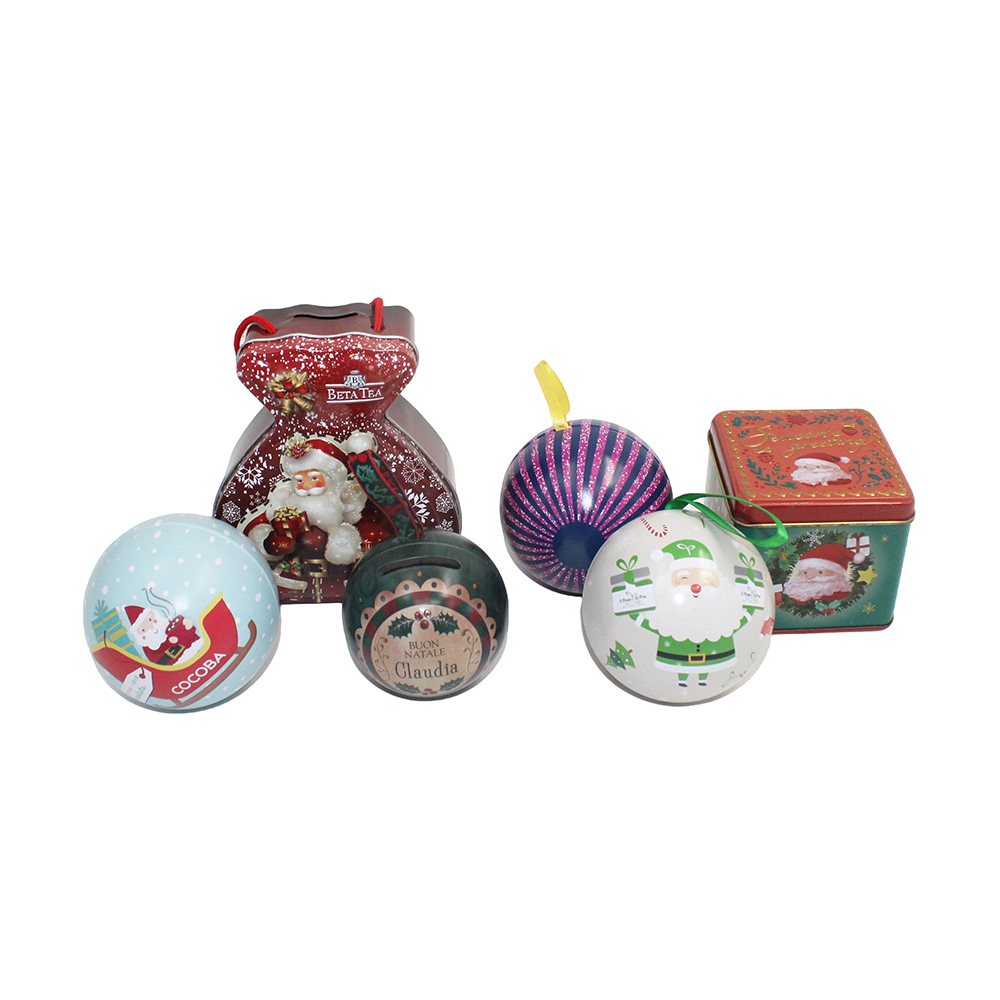
As the annual Christmas shopping season officially kicks off, festive packaging has become one of the best-selling consumer goods in major supermarkets and gift stores. Among these seasonal items, Christmas tin can products have seen a sharp increase in sales, gradually replacing traditional paper gift boxes and plastic packaging. Industry analysts point out that durability, recyclability and exquisite festive designs are the three core drivers behind this year’s consumption boom.
Christmas Tin Cans Gain Huge Popularity in This Year’s Holiday Consumer Market
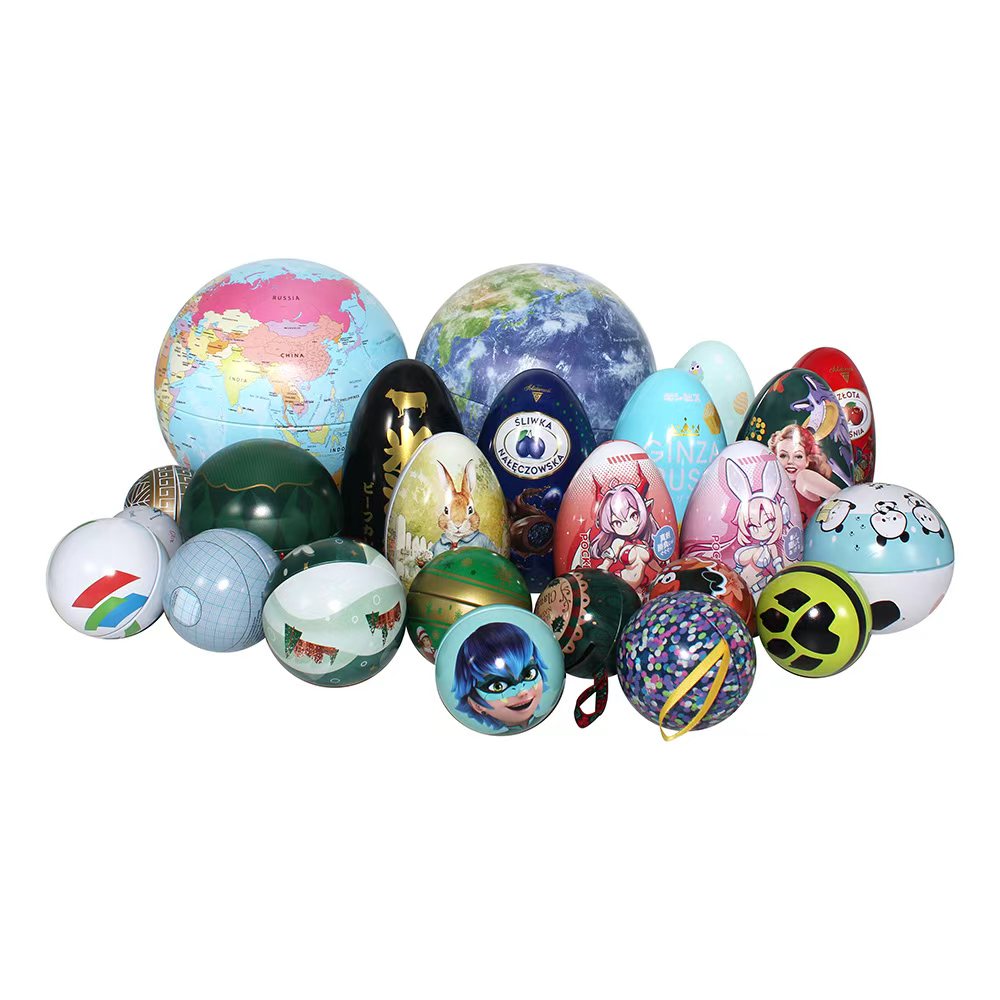
The global chewing gum industry is undergoing a notable packaging transformation, with gum in tin can rapidly emerging as a mainstream consumer choice. Amid growing demand for portable, eco-friendly, and premium daily snacks, traditionally plastic-packaged chewing gum is gradually losing market share, while tin-can packaged gum has gained immense popularity among young consumers and health-conscious buyers.
Tin Can Takeover: How Premium Packaged Gum Is Transforming the Global Confectionery Market